2026’s Best Home Exercises to Boost Chiropractic Results

Essential ChiroCare Blogger • November 17, 2025

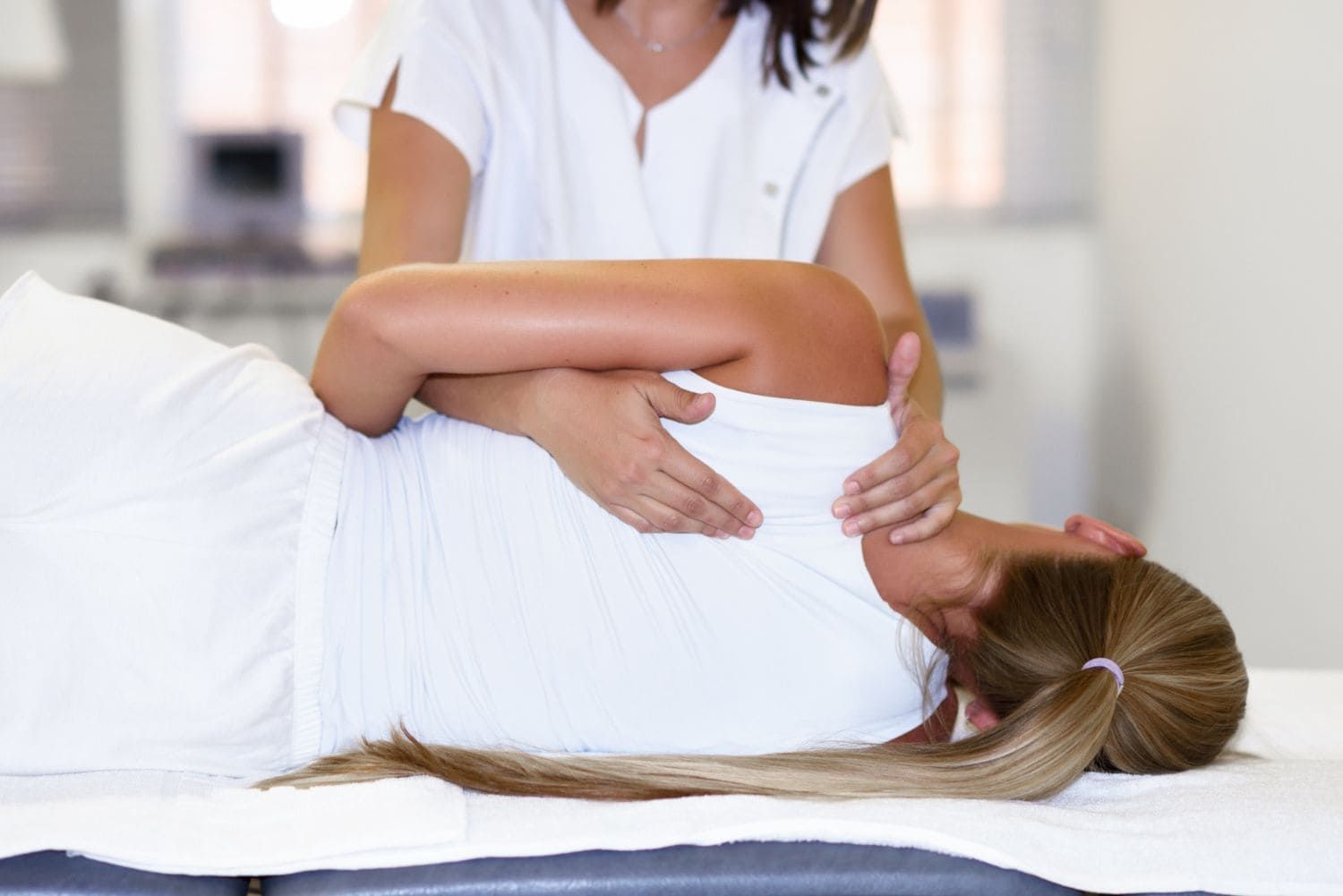
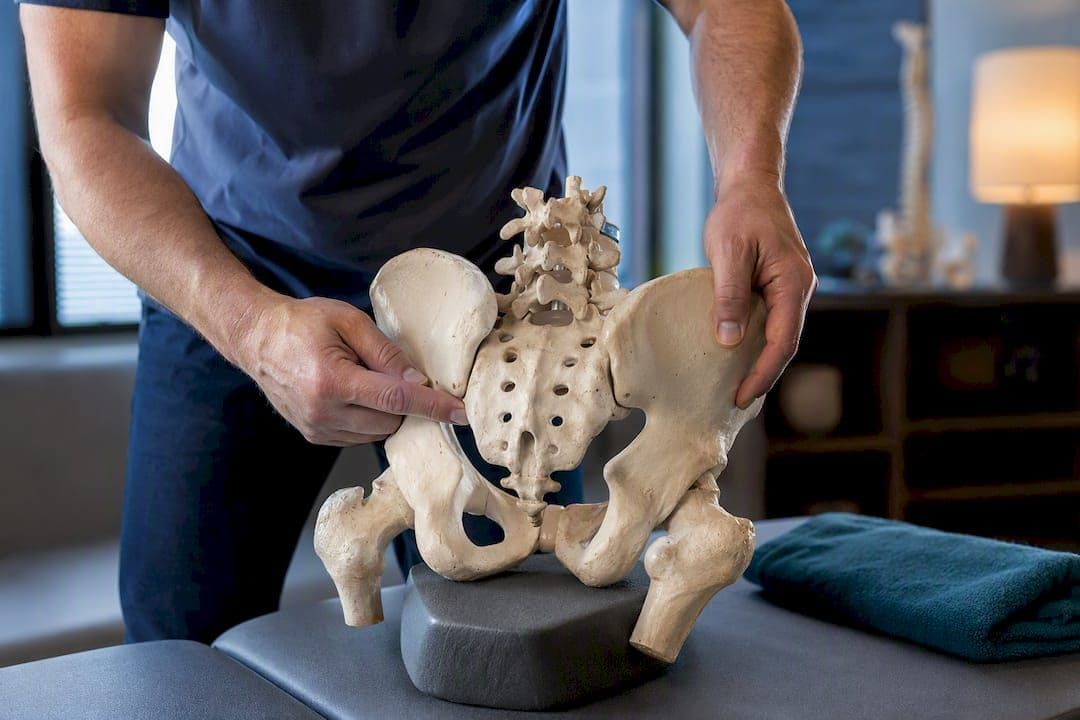
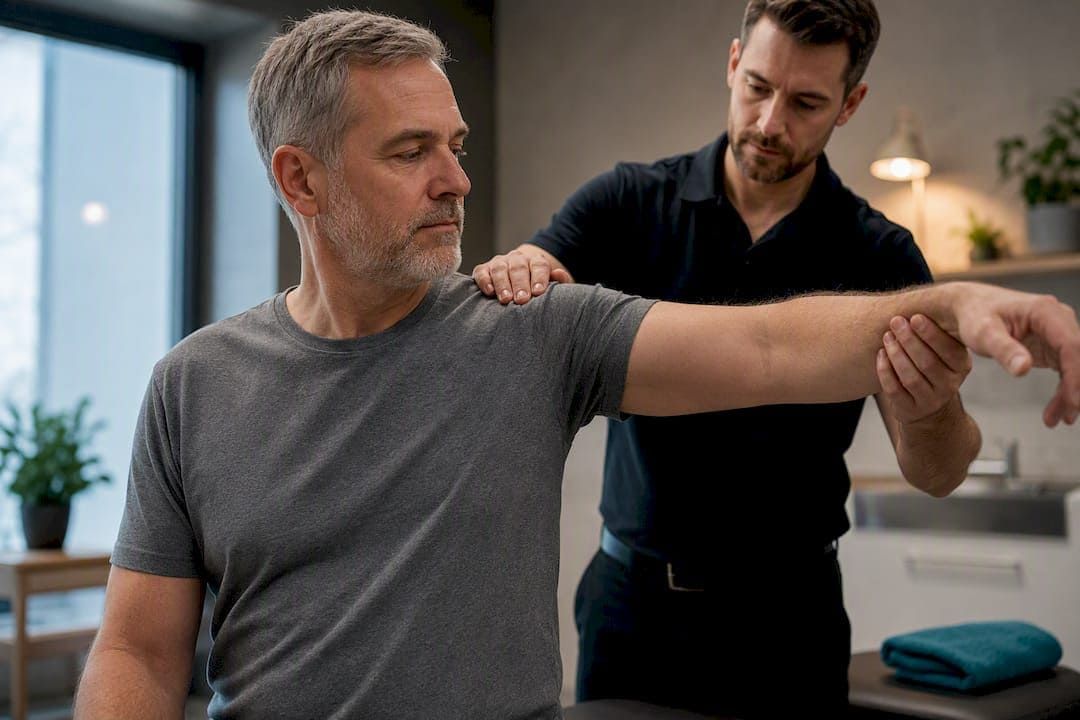
Chiropractic adjustments offer powerful relief and restoration for your spine, but for the best, longest-lasting results in 2026, what you do between visits matters just as much as your appointment. Combining expert chiropractic care with targeted home exercise helps correct posture, improve flexibility, and strengthen core muscles—the keys to reducing pain, maintaining alignment, and preventing future injury. It’s a proactive, research-backed approach that supports recovery, enhances mobility, and aligns perfectly with today’s wellness-focused lifestyle trends. Whether you’re undergoing treatment or considering your first appointment, these safe, effective at-home movements will help you maximize your chiropractic outcomes and build lifelong spinal health.

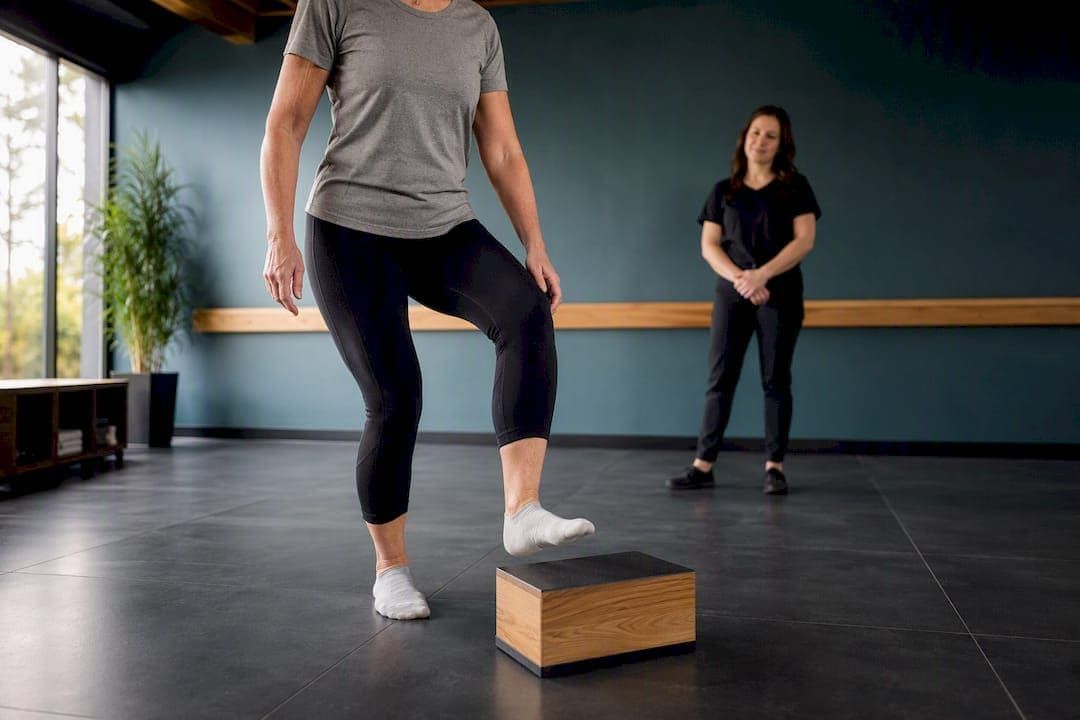
exercises after chiropractic adjustment

The Power of Movement: Why Exercise After Chiropractic Care Matters

Post-chiropractic exercises are more than just “extra credit.” Movement and muscle balance are essential components of spinal healing, and regular activity after your adjustment helps:

  • Maintain spinal alignment by supporting proper posture during daily activities
  • Reduce tension and muscular imbalances that otherwise pull your joints out of line
  • Boost flexibility and core stability, which means longer-lasting pain relief and fewer flare-ups
  • Accelerate healing and prevention by activating the stabilizing muscles around your spine

Stretches and strength exercises help your body “hold” the benefits of an adjustment, reinforce healthy movement patterns, and keep your spine adaptable to the stresses of life and work in 2026.

Best Home Exercises for Chiropractic Goals

For Posture Correction

  • Wall Angels: Stand with your back, head, and arms against a wall. Slowly glide your arms up and down to promote shoulder mobility and upper back engagement.
  • Chin Tucks: Gently retract your chin to create a “double chin” effect—helps realign the head and neck over the shoulders to counteract “tech neck.”
  • Shoulder Blade Squeezes: Sit or stand tall, squeeze shoulder blades together and hold for 5–10 seconds. Retrains upper back posture for optimal scapular support.

For Lower Back Support

  • Cat-Cow Stretch: On hands and knees, arch and round your spine slowly, synchronizing with deep breaths. Mobilizes the whole back and alleviates stiffness.
  • Pelvic Tilts: Lying on your back, use your ab muscles to gently flatten your lower back against the floor, then release. Builds lumbar and core control.
  • Glute Bridges: Lying down, squeeze your glutes and lift hips upward. Strengthens glutes, hamstrings, and stabilizes the pelvis and lower spine.

For Neck & Upper Back Relief

  • Neck Retractions: Sit up straight, glide head backward (making a “yes” motion). Eases neck tension and supports healthy cervical alignment.
  • Doorway Stretch: Place forearms on each side of a doorway and gently lean forward—stretches chest muscles and relieves upper back strain.
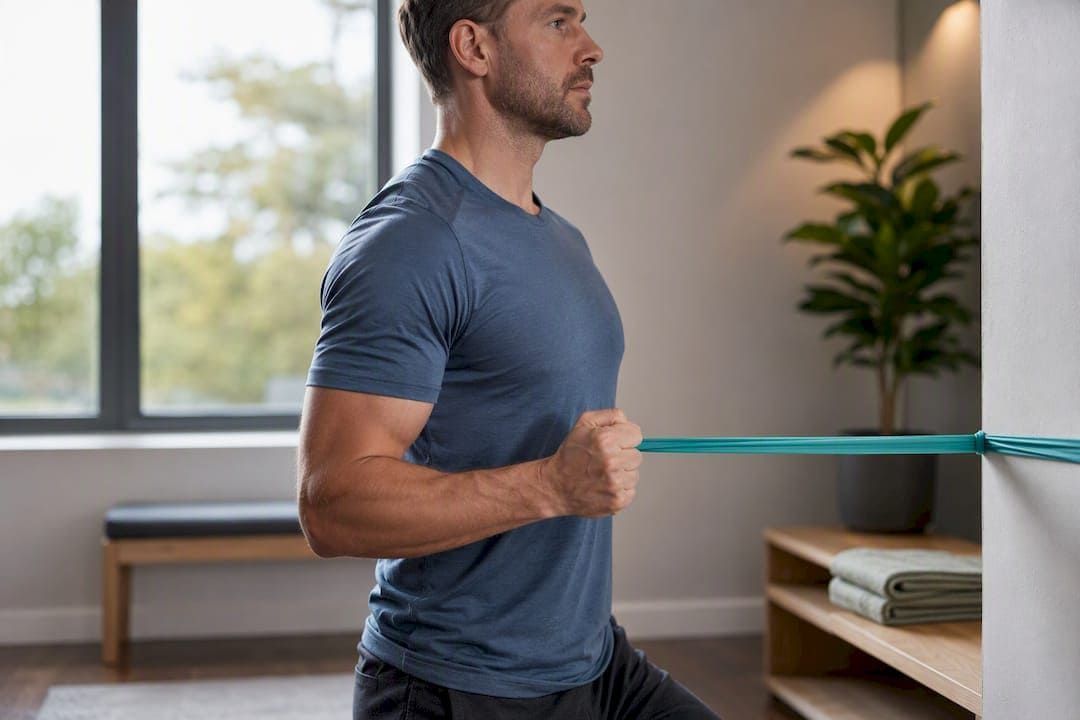
  • Gentle Band Pull-Aparts: With a light resistance band, hold at shoulder width and slowly pull apart, engaging shoulder blades. Great for posture and shoulder health.

For Core Stability

  • Planks: Front and side planks activate the deep core muscles, helping support the spine during movement and standing.
  • Bird Dogs: On all fours, extend opposite arm and leg while keeping hips and shoulders square. Improves spinal balance and stability.
  • Dead Bugs: Lie on your back with arms and legs in the air; lower opposite arm and leg while bracing the core. Builds coordination and deep stability.

Home Exercise Routine Table: Your Chiropractic-Backed Guide

Exercise Target Area Difficulty Frequency
Wall Angels Upper Back/Shoulders Beginner 2x/day
Chin Tucks Neck/Posture Beginner 2x/day
Shoulder Blade Squeezes Upper Back Beginner 2x/day
Cat-Cow Stretch Full Spine Beginner Daily
Pelvic Tilts Lower Back/Core Beginner Daily
Glute Bridges Glutes/Lower Back Beginner Every other day
Neck Retractions Neck Alignment Beginner 2x/day
Doorway Stretch Chest/Shoulders Beginner Daily
Band Pull-Aparts Upper Back/Posture Beginner/Intermediate Every other day
Planks Core/Spine Intermediate 3–5x/week
Bird Dogs Core/Back Beginner 3x/week
Dead Bugs Core Stability Beginner/Intermediate 3x/week

Expert Tips: The Keys to Success with At-Home Spinal Health Exercises

  • Consistency Is Everything : Regular, small sessions outperform infrequent long ones. Set calendar reminders or use habit-tracking apps to build your routine.
  • Good Form First : Slow, controlled movements with correct alignment reduce injury risk and deliver the best results! Consult instructions or ask your chiropractor to demonstrate a new exercise.
  • Breathing Matters : Pair movement with deep, diaphragmatic breaths to oxygenate muscles and support spinal stability.
  • Start Easy, Advance Gradually : Increase reps, resistance, or number of exercises as you get stronger and more comfortable.
  • Listen to Your Body : Stop exercises that cause sharp pain, numbness, or tingling, and consult your chiropractor before resuming or progressing.
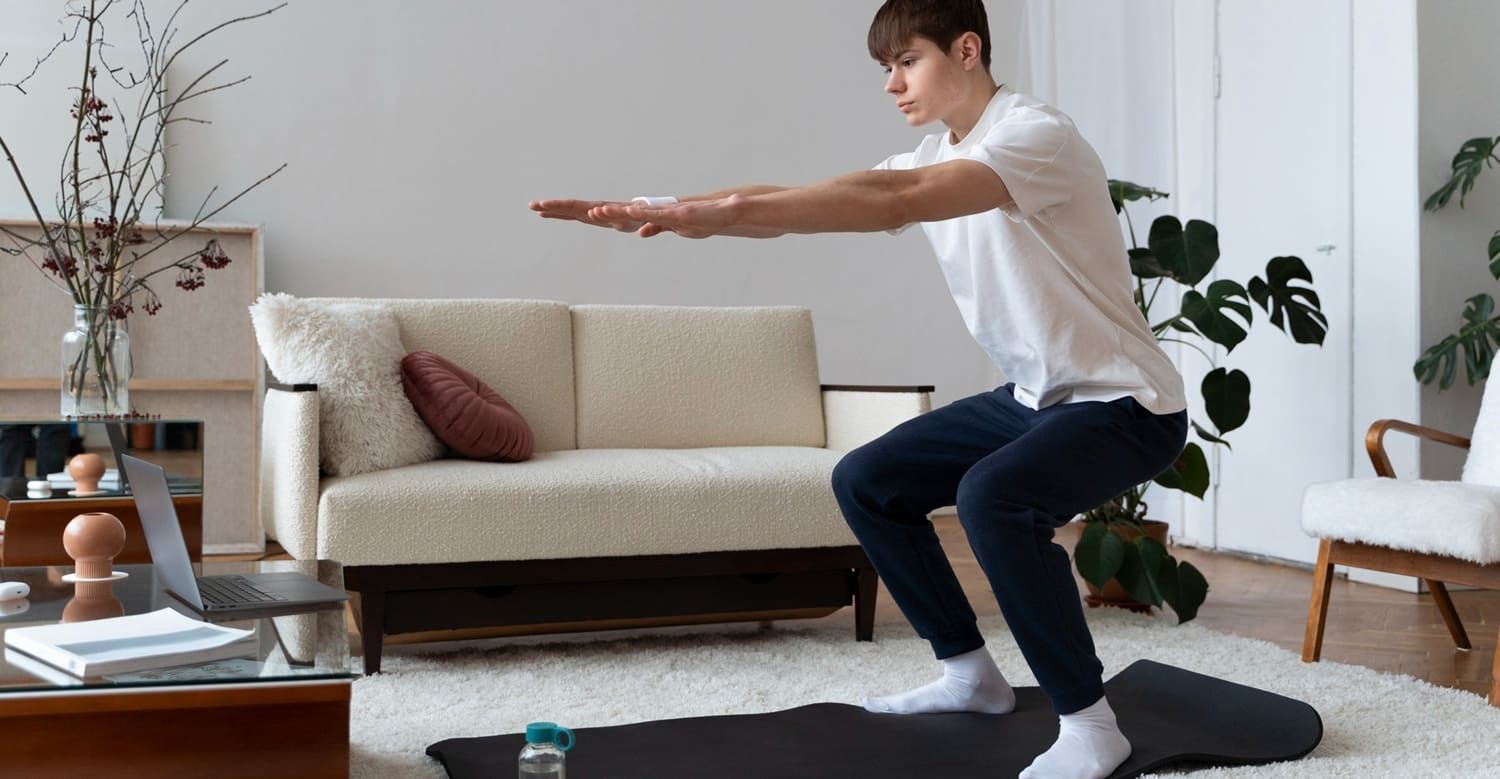
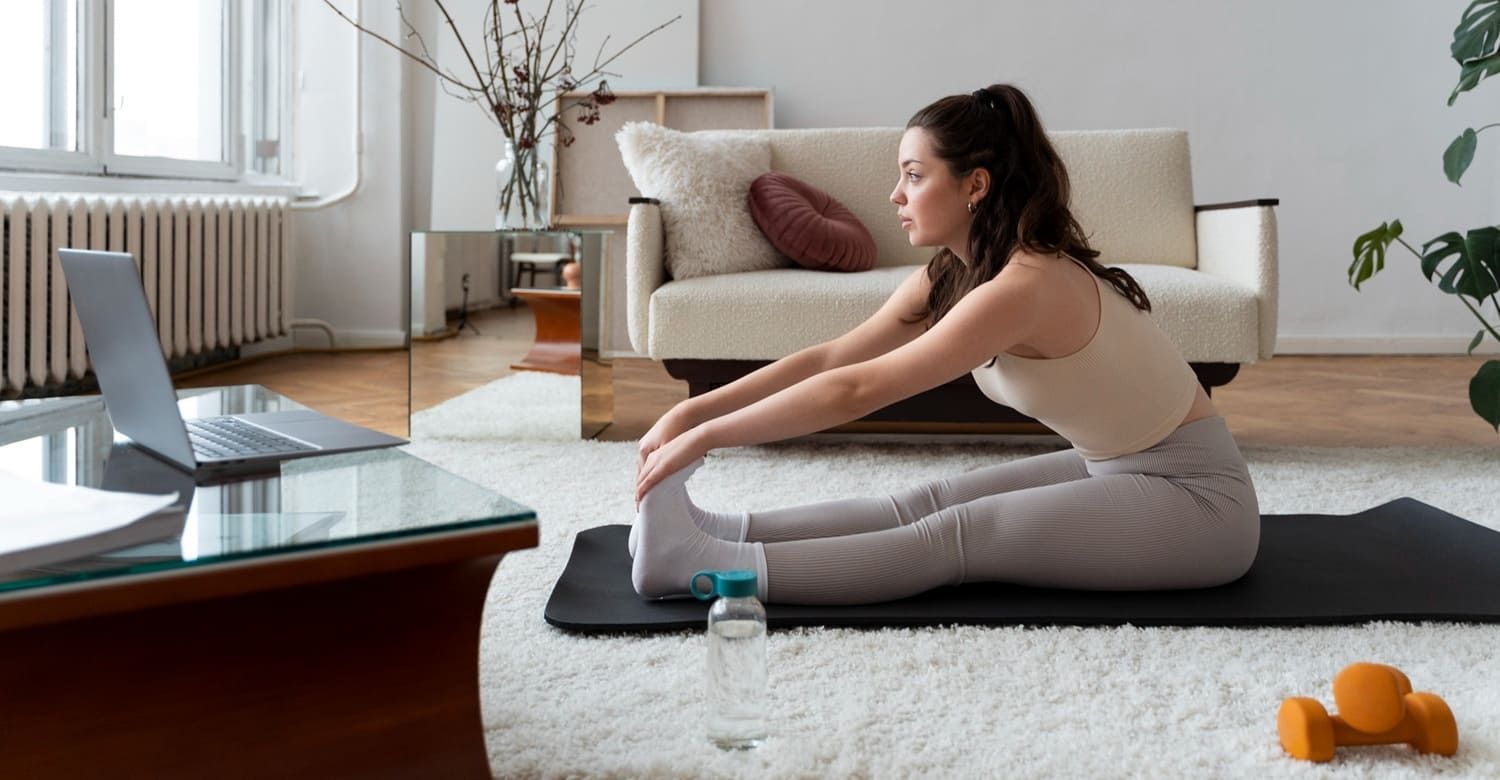
home exercises for spinal health

2026 Trends: Smart Tools and Tech Empowering Home Exercise for Spinal Health

The fitness and rehab world is rapidly evolving. In 2026, patients are using cutting-edge tools and technology to excel between chiropractic sessions:

  • Mobility-Based Training : Emphasizes gentle, multi-planar movement—perfect for rehab, posture, and spinal health.
  • AI-Guided Workout Apps : Virtual trainers analyze your movement, give corrective feedback, and customize progressions for your spinal care goals.
  • Wearable Posture Trackers : Discreet devices buzz or notify you when your head, neck, or shoulders slouch, helping you maintain proper alignment all day.
  • Resistance Recovery Tools : Compact bands, mini-weights, and massage guns make it easier to exercise, activate, and recover anywhere.
  • On-Demand Exercise Content : Streaming libraries offer clinic-approved routines, quick “stretch breaks,” and posture-focused series for every level and need.

Practical Tips for Sticking with Your Home Exercise Plan

  • Combine exercises with daily habits—do wall angels after brushing your teeth, chin tucks at red lights, or a plank challenge during TV commercials.
  • Set realistic goals and track your progress with a calendar, mobile app, or old-fashioned habit tracker.
  • Enlist a friend, family member, or telehealth coach to check in and keep you motivated and accountable.
  • Recognize when to scale back—if symptoms worsen, you get new pain, or feel unsteady, pause and ask your chiropractic provider before returning to or adding new movements.

FAQs: Home Exercise and Chiropractic Result Optimization (2026)

  • How soon after an adjustment should I exercise?

    Usually within the same day—but stick to gentle mobility work at first. Follow your chiropractor’s guidance based on your treatment plan.

  • How often should I do these exercises each week?

    Ideally, low-impact exercises can be done daily, with more challenging moves (like core planks) 2–4x per week.

  • Is stretching or strengthening better for my spine?

    Both matter! Stretching maintains flexibility; strengthening stabilizes your spine for lasting support.

  • Should my exercise routine change as I recover?

    Yes—progress your difficulty level, add variety, and re-assess with your provider every 4–6 weeks.

  • What exercises should I avoid right after a chiropractic adjustment?

    Skip high-impact, twisting, or heavy-resistance moves unless specifically cleared.

  • How do I know if an exercise is making my pain worse?

    Stop immediately if pain, numbness, or tingling starts; check with your chiropractor before restarting.

  • Can home exercises replace chiropractic care?

    No. They maximize results—but don’t replace professional assessment and manipulative care.

  • Will doing these exercises mean I need fewer adjustments?

    Often, yes! Stronger, more flexible muscles help your spine “hold” each alignment longer between visits.

  • What tech can help me follow my exercise plan?

    Try AI coaching, wearable trackers, or mobile exercise libraries for motivation, feedback, and habit building.

  • When should I see my chiropractor before adding a new exercise?

    Any new, intense, or unfamiliar movement—especially after an injury—should be cleared by your provider first for safety.

signs you need a chiropractor
By Essential ChiroCare Blogger February 4, 2026
Discover 7 important signs you need a chiropractor and learn how to identify when it’s time to seek chiropractic care for pain relief and wellness.
pain management options
By Essential ChiroCare Blogger February 3, 2026
Pain management options explained—explore holistic chiropractic methods, medication alternatives, types of therapy, and potential risks for lasting relief.
treat auto injuries naturally
By Essential ChiroCare Blogger February 3, 2026
Learn how to treat auto injuries naturally with this step-by-step guide. Discover core actions for lasting pain relief and verify your full recovery.
chiropractic care for back pain
By Essential ChiroCare Blogger January 28, 2026
Learn how to relieve back pain naturally through a step-by-step chiropractic approach, from identifying causes to enjoying long-lasting pain relief.
chiropractic care after car accident
By Essential ChiroCare Blogger January 27, 2026
Auto injury treatment covers specialized chiropractic care, common car accident injuries, recovery techniques, risks, and insurance essentials for West Central Florida.
neck-related headaches
By Essential ChiroCare Blogger January 25, 2026
Neck tension can trigger lingering headaches. Discover how gentle chiropractic care in Lakeland and Sarasota helps relieve neck-related headaches and restore comfort.
prenatal chiropractor Tampa FL
By Essential ChiroCare Blogger January 25, 2026
See how working with a prenatal chiropractor in Tampa can ease joint tension, relieve back strain, and support better movement during pregnancy.
knee stiffness after winter
By Essential ChiroCare Blogger January 19, 2026
Spring sports training in Pinellas Park causing knee pain or stiffness? Learn how movement issues after winter can affect performance and how to prevent injury.
neck pain after rear end accident
By Essential ChiroCare Blogger January 19, 2026
Find out why neck pain can worsen after a rear-end crash and how an auto accident chiropractor in Tampa can help you feel better this winter.
Back Pain
By Essential ChiroCare Blogger January 18, 2026
Learn what can cause lingering pain and how a back pain chiropractor in Tampa can help uncover habits that may slow healing after the holidays. Keep reading!
Show More