

Auto Injury Treatment Explained: Personalized Recovery

Essential ChiroCare Blogger • January 27, 2026

Auto Injury Treatment Explained: Personalized Recovery

Every year, more than one million American drivers and passengers suffer injuries from car accidents, leaving countless West Central Florida residents searching for lasting relief from pain and trauma. Recovering from an auto injury often means dealing with invisible damage that traditional medical care may miss. This article explains how personalized chiropractic strategies offer targeted pain management and holistic support to help local victims restore wellness after an accident.

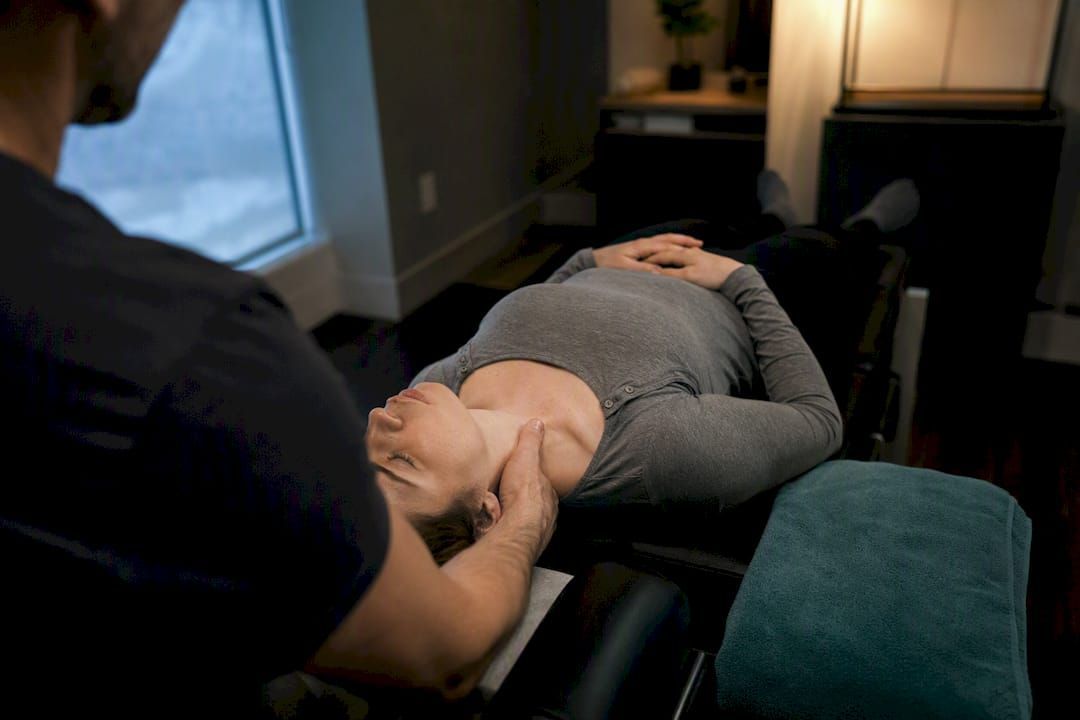
chiropractic care after car accident

Table of Contents

Key Takeaways

Point Details
Comprehensive Treatment Approach Auto injury recovery involves multidisciplinary care that integrates medical, engineering, and rehabilitation strategies to address complex trauma.
Personalized Recovery Plans Treatment plans should be customized to each patient’s specific injuries and needs for more effective healing.
Importance of Documentation Keeping detailed medical records is crucial for supporting treatment effectiveness and insurance claims.
Safety and Risk Awareness Understanding the factors affecting injury outcomes can help in navigating recovery and ensuring comprehensive care.

What Auto Injury Treatment Involves

Auto injury treatment is a comprehensive, multidisciplinary approach designed to help patients recover from physical trauma sustained during vehicle accidents. Unlike generic pain management, this specialized care addresses the complex biomechanical impacts of crashes on the human body. The process begins with a thorough diagnostic assessment that identifies specific injuries, their origins, and potential long-term implications.

The treatment typically involves a coordinated strategy integrating multiple healthcare disciplines. Crash injury research networks emphasize collaborative approaches that combine medical expertise, engineering insights, and rehabilitation techniques. These approaches target not just symptom relief, but comprehensive healing and functional restoration. Chiropractors, physical therapists, orthopedic specialists, and pain management experts work together to develop personalized recovery plans that address soft tissue damage, spinal misalignments, nerve impingements, and muscular compensations.

Key components of auto injury treatment often include:

  • Detailed physical examinations
  • Advanced diagnostic imaging
  • Manual therapy and chiropractic adjustments
  • Targeted physical rehabilitation exercises
  • Pain management interventions
  • Neurological assessments
  • Psychological support for trauma recovery

Recovery timelines vary significantly depending on injury severity, with evidence-based treatment guidelines recommending prompt, structured interventions to minimize long-term complications. Patients can expect a dynamic, adaptive treatment approach that evolves as their body heals and responds to therapeutic strategies.

Here’s a quick overview of how different healthcare professionals contribute to auto injury recovery:

Specialist Primary Role Example Treatments
Chiropractor Spinal alignment and rehab Manual adjustments, posture therapy
Physical Therapist Functional movement recovery Strength and mobility exercises
Orthopedic Specialist Bone and joint management Fracture care, joint injections
Pain Management Expert Symptom control Medication plans, trigger point therapy

Pro tip: Keep a detailed medical documentation journal tracking your symptoms, treatments, and progress to support both your medical care and potential insurance claims.

Types of Car Accident Injuries Treated

Car accidents can result in a wide range of injuries, from seemingly minor soft tissue damage to severe traumatic conditions that require extensive medical intervention. Comprehensive crash injury research reveals the complex nature of vehicular trauma, highlighting the importance of understanding the various injury types patients may experience.

The most common car accident injuries include:

  • Whiplash : Soft tissue damage affecting neck and shoulder muscles
  • Spinal Misalignments : Disruptions in vertebral positioning causing pain and mobility issues
  • Traumatic Brain Injuries : Ranging from mild concussions to severe neurological damage
  • Fractures : Broken bones in extremities, ribs, or spine
  • Nerve Impingements : Compressed or damaged nerve pathways causing chronic pain
  • Psychological Trauma : Post-traumatic stress and emotional distress

Road traffic accident injury research indicates that injury severity depends on multiple factors, including collision force, vehicle type, and impact direction. Neck and shoulder injuries are particularly prevalent, often resulting from sudden acceleration or deceleration during an accident. These injuries can cause long-term complications if not properly diagnosed and treated, making comprehensive medical evaluation crucial for full recovery.

This table summarizes how injury severity and accident factors impact treatment strategies:

Factor Affecting Injury Impact on Recovery Approach Example Adaptation
Collision Force Determines urgency of intervention Faster diagnostics
Vehicle Type Guides imaging and assessments Advanced scans if needed
Impact Direction Influences targeted rehab areas Neck vs. lower back focus
Pre-existing Conditions Alters treatment intensity Customized exercise levels

Chiropractic care plays a significant role in addressing these diverse injury types, offering targeted treatments that focus on holistic healing and functional restoration. Specialized diagnostic techniques help identify underlying issues that might not be immediately apparent, ensuring patients receive appropriate and personalized care tailored to their specific injury profile.

Pro tip: Document all symptoms immediately after an accident, no matter how minor they may seem, as some injuries can develop or become apparent days or weeks after the initial incident.

Key Chiropractic Recovery Techniques

Chiropractic recovery techniques represent a sophisticated approach to healing auto accident injuries, focusing on restoring proper body alignment and functional movement. Comprehensive chiropractic manual therapy encompasses a range of specialized interventions designed to address the complex musculoskeletal challenges resulting from vehicular trauma.

The primary chiropractic recovery techniques include:

  • Spinal Manipulation : Precise adjustments to realign vertebral positioning
  • Soft Tissue Mobilization : Targeted massage and stretching to release muscle tension
  • Instrument-Assisted Techniques : Using specialized tools to apply controlled pressure
  • Joint Mobilization : Gentle movements to restore range of motion
  • Myofascial Release : Breaking up scar tissue and adhesions
  • Neurological Retraining : Exercises to restore nerve function and communication

Chiropractic educational research highlights the Diversified technique as the core approach, which involves quick, precise manual adjustments to restore joint mobility and reduce pain. These techniques are not one-size-fits-all but are carefully tailored to each patient’s specific injury profile, considering factors like impact severity, existing medical conditions, and individual healing responses.

Beyond physical adjustments, chiropractic recovery integrates comprehensive care including nutritional guidance, rehabilitation exercises, and ongoing progress monitoring. The goal extends beyond immediate pain relief to long-term functional restoration, helping patients regain strength, flexibility, and confidence in their physical capabilities.

Pro tip: Ask your chiropractor to develop a detailed recovery timeline and track your progress through regular, documented assessments to ensure optimal healing.

Benefits of Personalized Treatment Plans

Personalized treatment plans represent a revolutionary approach to auto injury recovery, moving far beyond traditional one-size-fits-all medical interventions. Personalized rehabilitation programs recognize that each patient’s healing journey is unique, requiring a comprehensive strategy that considers individual physical, emotional, and lifestyle factors.

The key benefits of personalized treatment plans include:

  • Targeted Recovery : Precise interventions addressing specific injury patterns
  • Holistic Approach : Considering physical, psychological, and emotional healing
  • Faster Rehabilitation : Streamlined recovery through customized strategies
  • Reduced Chronic Pain Risk : Proactive management of potential long-term complications
  • Enhanced Patient Engagement : Empowering patients through collaborative care planning
  • Comprehensive Wellness : Addressing underlying health factors beyond immediate injury

Patient-centric auto injury treatment demonstrates that individualized care significantly improves treatment outcomes. By integrating detailed medical history, current health status, personal goals, and lifestyle considerations, healthcare providers can develop more effective and responsive treatment strategies that adapt throughout the recovery process.

The true power of personalized treatment lies in its ability to recognize each patient as a unique individual. This approach goes beyond managing symptoms, focusing instead on comprehensive healing that addresses the root causes of pain, restores functional movement, and supports long-term physical and mental wellness.

Pro tip: Maintain a detailed recovery journal documenting your symptoms, progress, and treatment responses to help your healthcare provider continuously refine your personalized treatment plan.

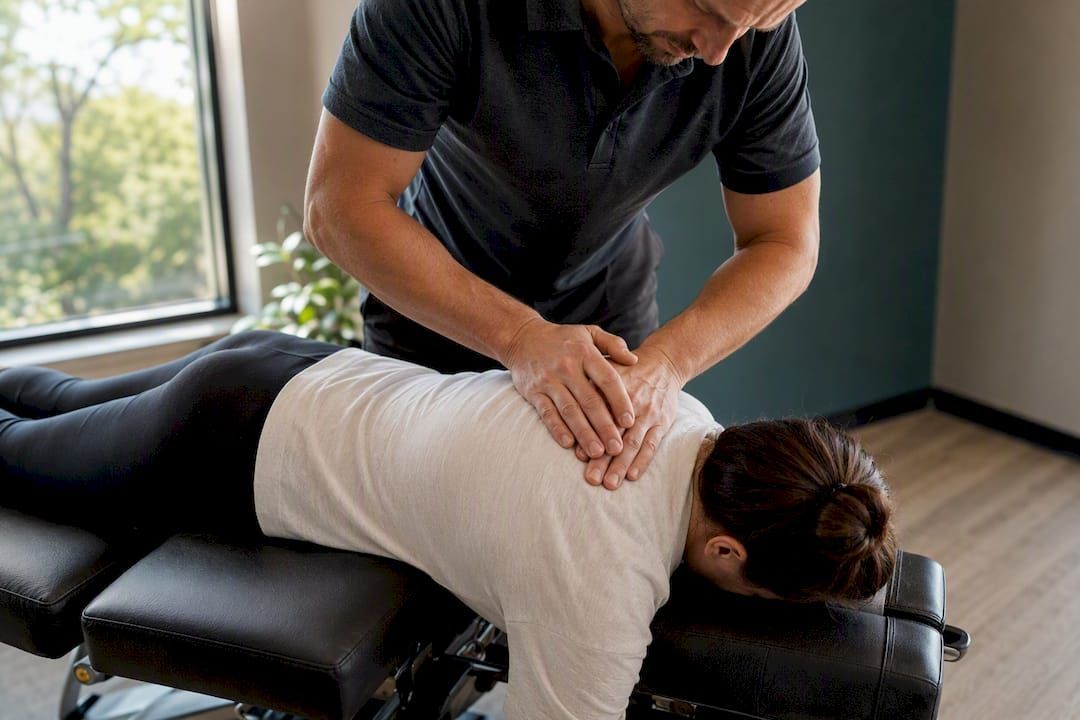
car accident injury treatment

Safety, Risks, and Insurance Factors

Navigating the complex landscape of auto injury recovery involves understanding the intricate interplay between medical treatment, safety considerations, and insurance protocols. Crash injury research reveals that injury outcomes are profoundly influenced by multiple factors, including impact severity, vehicle safety features, and individual biomechanical responses.

Key safety and risk considerations include:

  • Impact Biomechanics : Understanding force transmission during collision
  • Vehicle Safety Features : Role of restraints, airbags, and structural design
  • Medical Documentation : Comprehensive record-keeping for insurance claims
  • Long-Term Health Implications : Potential chronic conditions from initial trauma
  • Legal Compliance : Navigating insurance reporting requirements
  • Treatment Continuity : Ensuring consistent medical documentation

Compensation and rehabilitation systems highlight the critical importance of proactive communication between patients, healthcare providers, and insurance companies. The traditional adversarial claims process can significantly impede recovery, making transparent and collaborative approaches essential for optimal health outcomes.

Understanding insurance factors requires patients to be proactive advocates for their health. This means maintaining detailed medical records, following prescribed treatment plans, and working closely with healthcare providers to document the full extent of injuries and their potential long-term impact. Patients should also be aware of their rights, insurance policy details, and the potential for comprehensive coverage beyond immediate medical expenses.

Pro tip: Request copies of all medical reports and diagnostic imaging immediately after treatment, creating a comprehensive file that supports both your medical recovery and potential insurance claims.

Get Personalized Auto Injury Care That Restores Your Life

Recovering from an auto injury can feel overwhelming with complex pain, whiplash, spinal misalignments, and nerve issues making everyday activities difficult. The challenge is finding a treatment plan tailored to your unique needs that not only eases pain but also supports long-term healing and wellness. At Essential ChiroCare, we understand these challenges and specialize in creating personalized recovery programs that target the root cause of your pain through expert chiropractic adjustments, physical rehabilitation, and ongoing care. Our team in West Central Florida offers compassionate, comprehensive services designed to restore your mobility and confidence step by step.

Don’t let auto injury pain hold you back any longer. Take charge of your recovery today with personalized treatment plans from highly experienced doctors who bring proven techniques and a holistic approach to your healing journey. Explore how our specialized chiropractic care can make a difference by visiting Essential ChiroCare to schedule your consultation. The sooner you start, the quicker you reclaim your wellness and peace of mind.

Frequently Asked Questions

  • What does auto injury treatment typically involve?

    Auto injury treatment typically involves a multidisciplinary approach that includes diagnostic assessments, coordinated strategies from various healthcare professionals, and personalized recovery plans that target issues such as soft tissue damage and spinal misalignments.

  • How can personalized treatment plans benefit recovery from auto injuries?

    Personalized treatment plans provide targeted recovery strategies, considering individual physical, emotional, and lifestyle factors, ultimately leading to faster rehabilitation and reduced risk of chronic pain.

  • What types of injuries are commonly treated after a car accident?

    Common injuries from car accidents include whiplash, spinal misalignments, traumatic brain injuries, fractures, nerve impingements, and psychological trauma.

  • How important is documentation for auto injury recovery?

    Documentation is critical for auto injury recovery as it provides essential records for medical treatment and supports insurance claims. Keeping detailed medical journals can aid in tracking symptoms and recovery progress.

Recommended

common car accident injuries
By Essential ChiroCare Blogger June 22, 2026
Explore the different types of auto injuries, their symptoms, and effective treatment options to ensure a smooth recovery after an accident.
does flexibility prevent injuries
By Essential ChiroCare Blogger June 21, 2026
Discover why flexibility reduces injury and learn how it fits into a comprehensive strategy for safer, more effective movement. Read more!
best sleeping position for hip pain
By Essential ChiroCare Blogger June 20, 2026
Use simple changes to ease soreness, improve rest, and know when to see a hip pain chiropractor in Tampa for extra support at night. Read on!
spine adjustment Lakeland FL
By Essential ChiroCare Blogger June 19, 2026
Learn what to expect from a summer spine adjustment and how a spine adjustment chiropractor in Tampa can help ease tension during Florida’s hottest months.
chiropractor after car accident Tampa
By Essential ChiroCare Blogger June 18, 2026
Lingering soreness after a crash? Know when it's time to see an auto accident chiropractor in Tampa and avoid letting small issues build up.
family chiropractic care Tampa
By Essential ChiroCare Blogger June 17, 2026
Learn how a family chiropractor in Tampa can help support your summer routine by easing tension, improving mobility, and keeping movement smooth.
chronic pain management
By Essential ChiroCare Blogger June 16, 2026
Discover effective long-term pain relief strategies that integrate therapy, lifestyle changes, and support for lasting comfort and function.
acute pain vs chronic pain
By Essential ChiroCare Blogger June 15, 2026
Discover the key difference between acute and chronic pain. Learn how understanding these types can enhance treatment decisions and daily life.
auto accident chiropractor Tampa
By Essential ChiroCare Blogger June 14, 2026
Lingering soreness after a crash? Know when it's time to see an auto accident chiropractor in Tampa and avoid letting small issues build up.
herniated disc treatment Tampa
By Essential ChiroCare Blogger June 13, 2026
Learn what shooting leg pain may reveal about disc issues and when to see a herniated disc chiropractor in Tampa for relief and recovery care.
Show More