
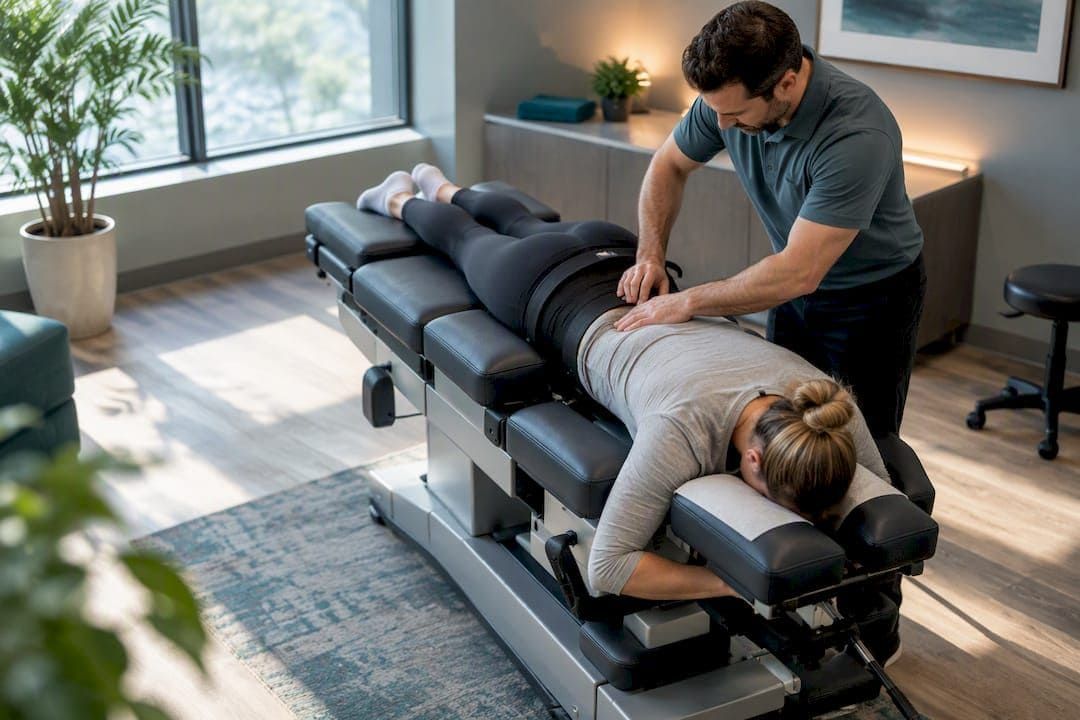
Experiencing Pain After Car Accident? Here’s How Chiropractic Can Help

Dr. Thang Tran, DC • March 8, 2022
Pain after an accident can show up days, weeks, or even months after the collision. If you’ve been in a traffic accident recently, you may find that back pain or neck pain doesn’t start right away.

In fact, this delayed pain may be something you don’t connect to the accident. However, being aware of the possibility means being able to get appropriate treatment for your pain. 

Injuries After an Accident

Many injuries are immediately evident after a car accident. However, others won’t show up right away. These are the ones you need to be wary of before they lead to other health problems.

In the days after the collision, you may notice neck pain, back pain, decreased range of motion, dizziness, headaches, vision problems, and pain in your shoulders.

You may also have injuries to your wrists, ankles, ribs, and collarbone that aren’t apparent right away. Many people also suffer injuries due to their seatbelt.

While this is something to be aware of, it’s always safest to wear a seatbelt. Injuries can be much worse without it.

In any of these cases, chiropractic care provides immediate relief from pain caused by the injury. It also helps aid in recovery so that pain doesn’t persist for months after the accident.

Wondering how to find a chiropractor and what he or she can do for you? Keep reading to find out.

Chiropractic Care for Treating Pain

When you’re in a car accident, the impact can cause the muscles and bones in your spine to either hyperflex or hyperextend. This is one of the most common reasons you experience pain afterward.

Seeing a chiropractor can help you relieve pain, a non-medication and non-invasive way to treat pain and other symptoms.

When your chiropractor makes an alignment, it takes the pressure off the nerves and muscles being affected by the impact of the collision. In most cases, you’ll notice immediate pain relief.

This is due to relieving the pressure but also helps your body release feel-good hormones. This contributes to the pain relief benefits of seeing a chiropractic professional. 

Regular care by a chiropractor also helps reduce inflammation at the injury site. Inflammation is a natural response by your body to heal, but too much can lead to pain and stiffness.

Controlling scar tissue is another benefit of chiropractic care. When muscles or tendons are injured, they respond by increasing collagen production, which can cause scarring.

Scars can lead to stiffness and pain that persists for months and years after the original injury. A chiropractor can help break down this scar tissue, improving comfort levels and range of motion in the area.

Non-Invasive Care

If you want care after your accident that is non-invasive and doesn’t require medication, chiropractic care is a great option. Chances are you also want to avoid surgery, which might be possible by seeing a chiropractor.

Without this type of intervention, regular appointments with a chiropractor can help realign your spine and restore your mobility. The sooner you see a professional, the lower the risk of having to undergo surgery.

When to Seek Care

Ideally, you should see a chiropractor as soon as possible after your accident. The sooner you get in for an appointment, the sooner you can begin finding relief.

However, for many patients, one appointment won’t be enough. You’re likely to continue experiencing pain and stiffness for several weeks after the collision.

For that reason, you will want to repeat your appointment several times. Your chiropractor can help you determine a treatment plan, based on your symptoms.

Keeping up with your appointments is a valuable way to stay pain-free. It also helps prevent or diagnosed problems that arise in the future.

Getting Started With Treatment

If you’re experiencing pain after an accident, contact us today.
neck pain after sleeping
By Essential ChiroCare Blogger • October 12, 2026
Fix morning neck pain tonight with three simple changes: swap the pillow, change sleep position, and do gentle morning movements. Learn red flags and when...
back pain chiropractor Tampa
By Essential ChiroCare Blogger • October 11, 2026
Lingering back pain can disrupt work and sleep. Learn when self-care may help and when to see a chiropractor in Tampa for personalized relief.
personalized chiropractic care Tampa
By Essential ChiroCare Blogger • October 10, 2026
Learn what sets the best chiropractor in Tampa apart, from personalized care and injury recovery to rehabilitation and wellness-focused treatment plans.
runner’s knee exercises
By Essential ChiroCare Blogger • October 9, 2026
Evidence backed exercises to ease runner's knee. Start a symptom guided 4–6 week plan with clinician recommended 3 sets of 30+ reps and clear movement red...
car accident chiropractor Tampa
By Essential ChiroCare Blogger • October 8, 2026
Learn what happens during a visit with a car accident chiropractor in Tampa, from initial evaluation and adjustments to a personalized recovery plan.
sacroiliac joint dysfunction chiropractic
By Essential ChiroCare Blogger • October 7, 2026
Understand when chiropractic helps sacroiliac joint pain, with clinic-backed evidence: the 3+ provocation-test threshold, tailored adjustments, and home...
rotator cuff tendinopathy exercises
By Essential ChiroCare Blogger • October 6, 2026
Clinician phased program to restore pain free shoulder motion: daily mobility, high rep low resistance rotator cuff and scapular work, with clinic follow up.
frozen shoulder stages
By Essential ChiroCare Blogger • October 5, 2026
Understand the three frozen shoulder stages and how clinicians match treatment: when steroid injections help, which rehab to do at each stage, and...
chiropractic care for pinched nerve
By Essential ChiroCare Blogger • October 2, 2026
Clinic backed chiropractic care for pinched nerve pain: spinal adjustments, decompression, and rehab, with a realistic 4–6 week recovery timeline.
how to stop lower back pain when driving
By Essential ChiroCare Blogger • October 1, 2026
Clinic backed seat setup and movement plan for drivers with car seat pain. Set seat to 100–110 degrees, add lumbar support, and take breaks.
Show More