Springtime in Brandon feels like the perfect season to refocus on health. The air is warming up, days are getting longer, and everything about the outdoors invites movement. For a lot of people recovering from pain or injury, this is the time that inspires next steps. We understand how small, consistent actions can build up to real change.
More and more people around here are seeing how massage and controlled movement work together to support healing. It's not just about relaxing or stretching. It's about working with your body instead of against it. A massage therapy chiropractor in Tampa can guide a recovery path that includes both hands-on treatment and simple steps that match what your body needs day by day. Let’s take a closer look at how massage and movement can work together, especially during the warmer months ahead.
Why Recovery Needs Both Rest and Movement
After any injury or period of discomfort, it can be hard to know how much activity is too much. Taking it easy feels right, but too much stillness can make healing slower. The body needs rest, yes, but it also responds well when movement is reintroduced gently.
We’ve seen how light activity helps the body avoid stiff joints and tight muscles. When you're inactive for too long, the uncomfortable areas can become even more sensitive. Simple movement (not intense exercise) helps bring blood flow back to the surface and makes things feel more normal.
At the same time, doing way too much too soon puts extra pressure on muscles that haven't had time to reset. The trick is to find that middle ground. Spring weather in Brandon offers the kind of light warmth that makes being outside easier, which means now's a good time to introduce short walks or gentle posture shifts during daily routines.
Here’s why gentle movement supports recovery:
- It keeps muscles from locking up due to disuse
- Joints stay more fluid, which reduces overall soreness
- Daily motion reminds your body how to move without pain
The better your rhythm between rest and movement, the faster things can settle into place the way they should.
How Massage Helps Sore Areas Feel and Work Better
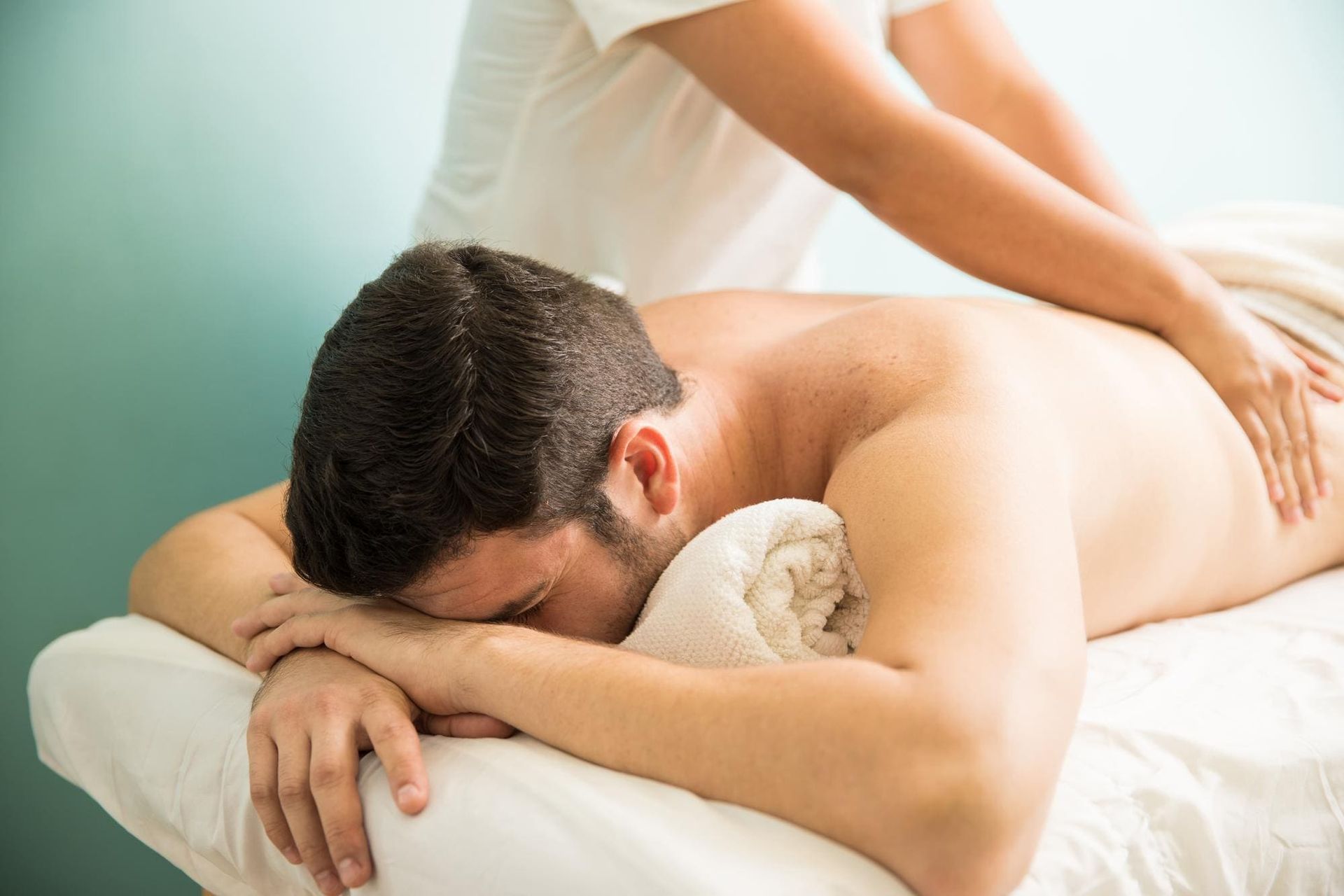
Massage is more than comfort. When backs, necks, or legs have been tense for a long time, pressure can build up under the surface. That tension isn’t always visible, but it shows up in how we sit, sleep, or move through the day.
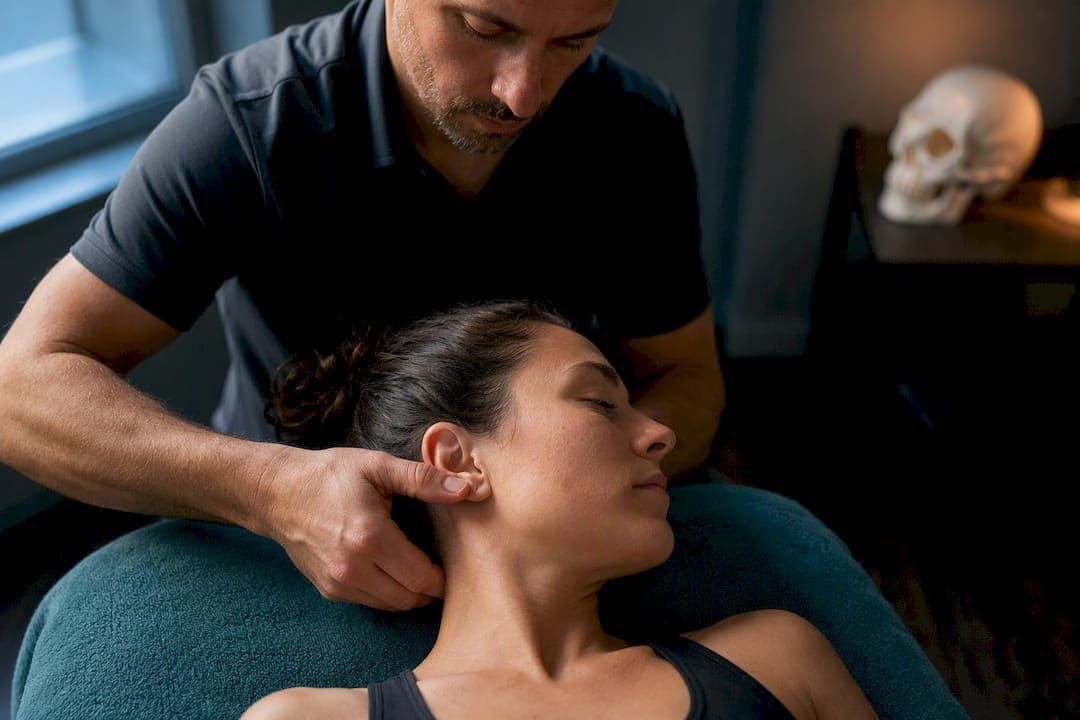
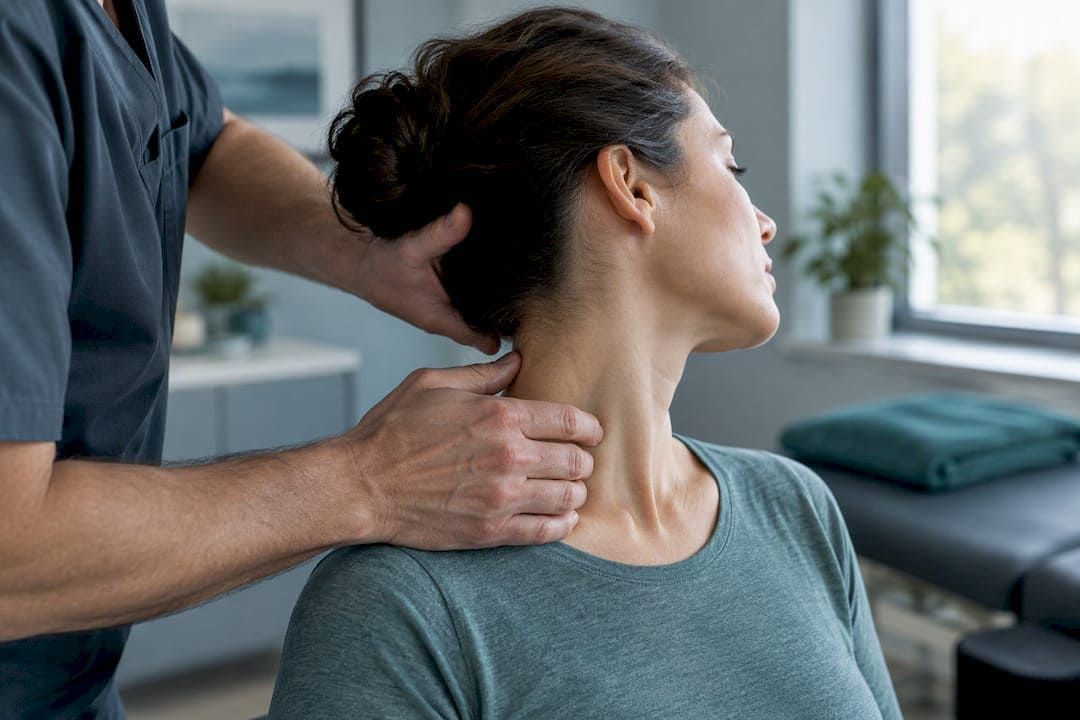
The focused work of massage can help soften those areas. When the fingers or thumbs press into tight muscle spots, those muscles often begin to breathe again. That loosening makes everyday movements feel easier and helps with posture too, especially if you’ve been favoring one side due to discomfort.
Massage also gets blood flowing in places that felt stuck. Better circulation brings much-needed nutrients to sore areas, which can help the body feel stronger from the inside out. Here's how massage supports active recovery:
- Helps muscles release tension and work more naturally
- Makes tight spots feel looser so movement doesn't hurt as much
- Encourages healing by increasing blood flow where it's needed most
When paired with light movement, massage lets the body recover in a more balanced way.
Getting Support from a Pro Who Knows Both Sides
There’s a difference between guessing what your body needs and having someone trained to notice those hard-to-spot details. When we work with someone who understands both massage and movement, recovery becomes less about trial and error and more about progress.
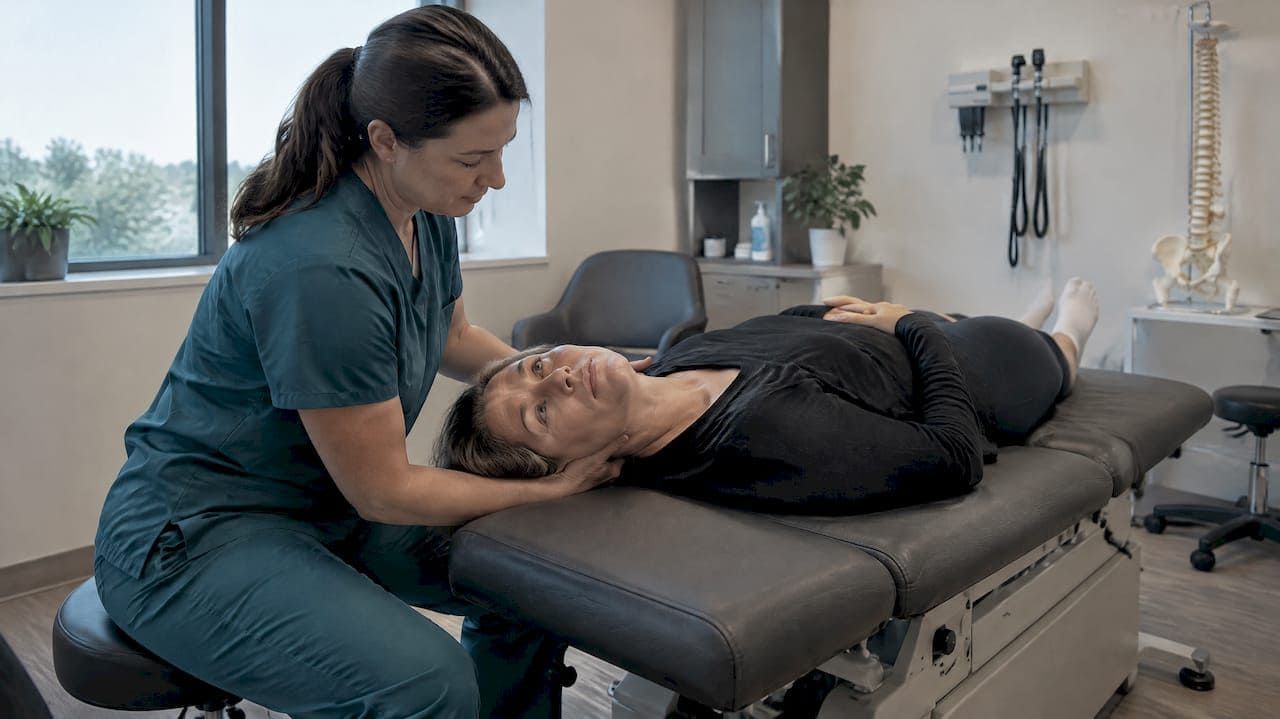
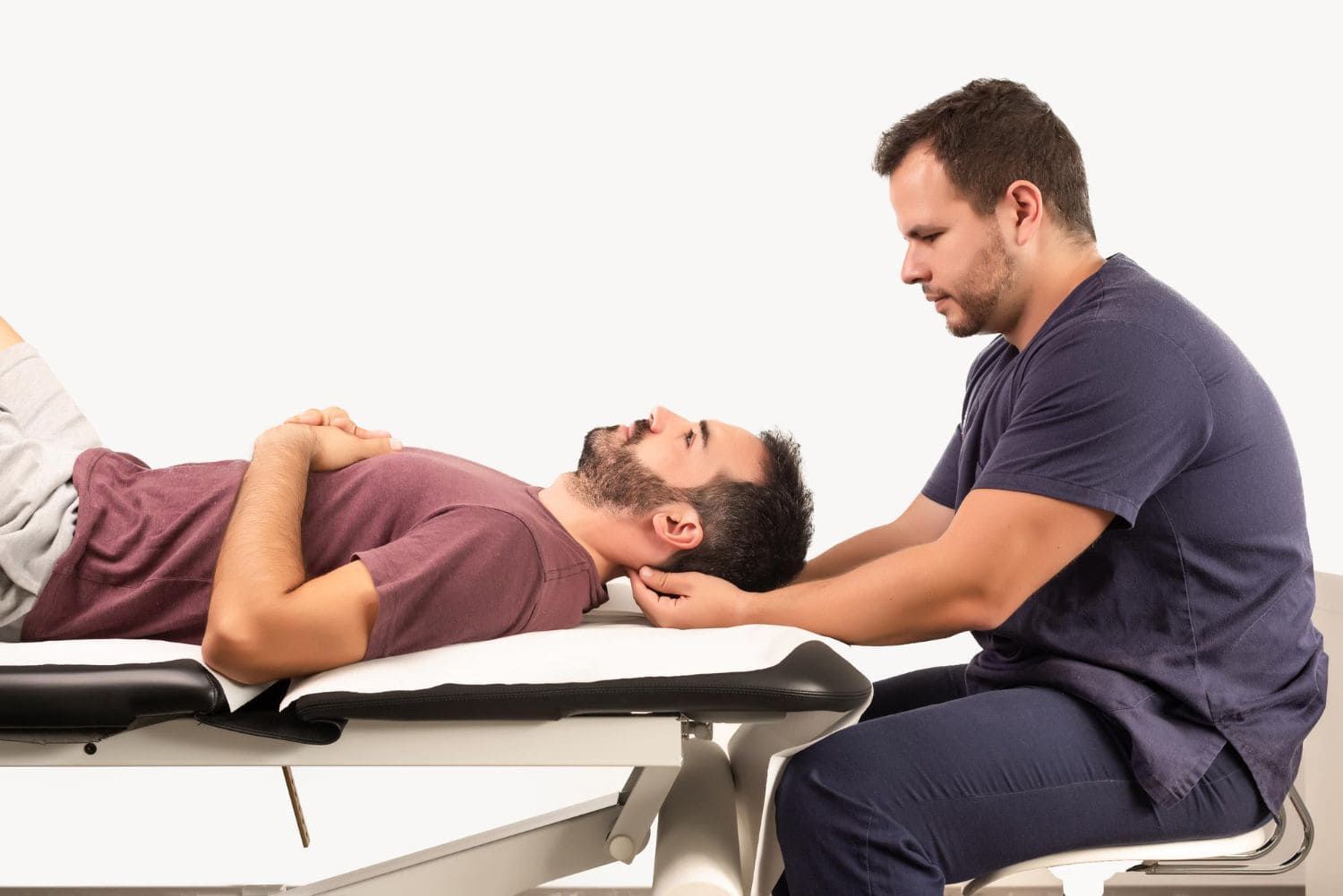
A massage therapy chiropractor in Tampa, for example, focuses on how muscles and joints connect. They don’t just look at one issue in isolation. Instead, they try to figure out what’s causing tension, why something feels off, and what combination of care can help.
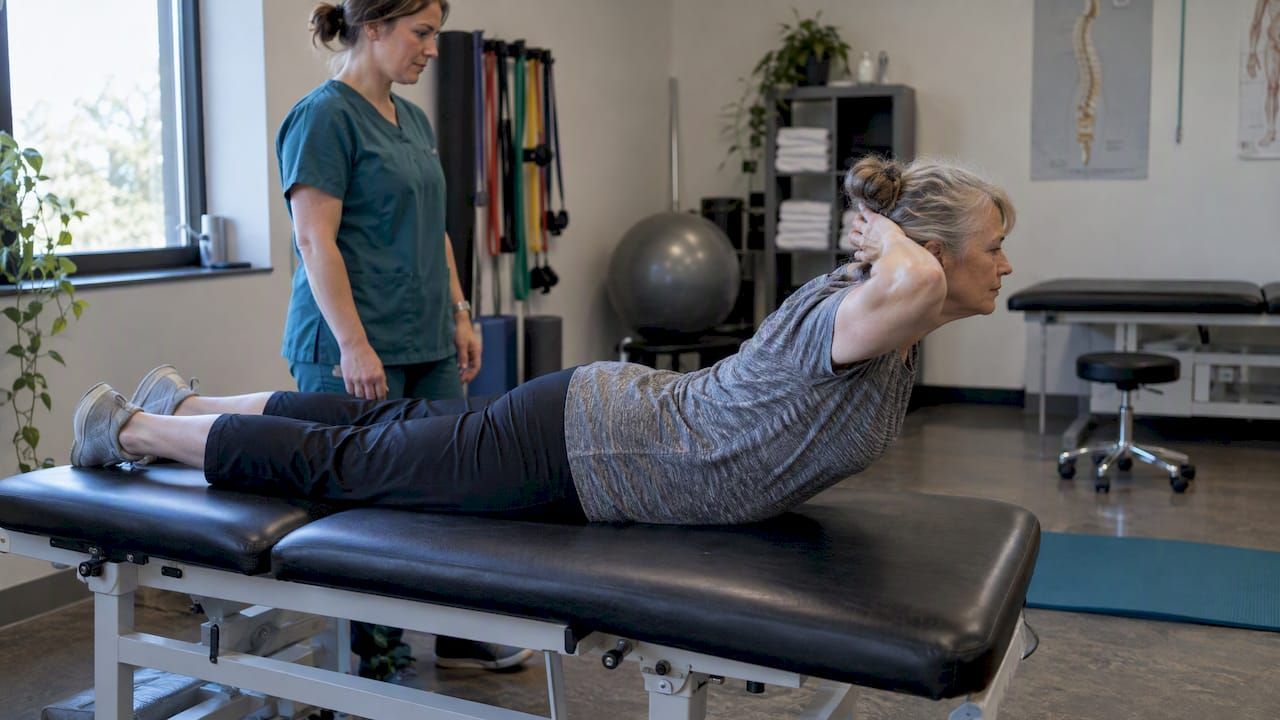
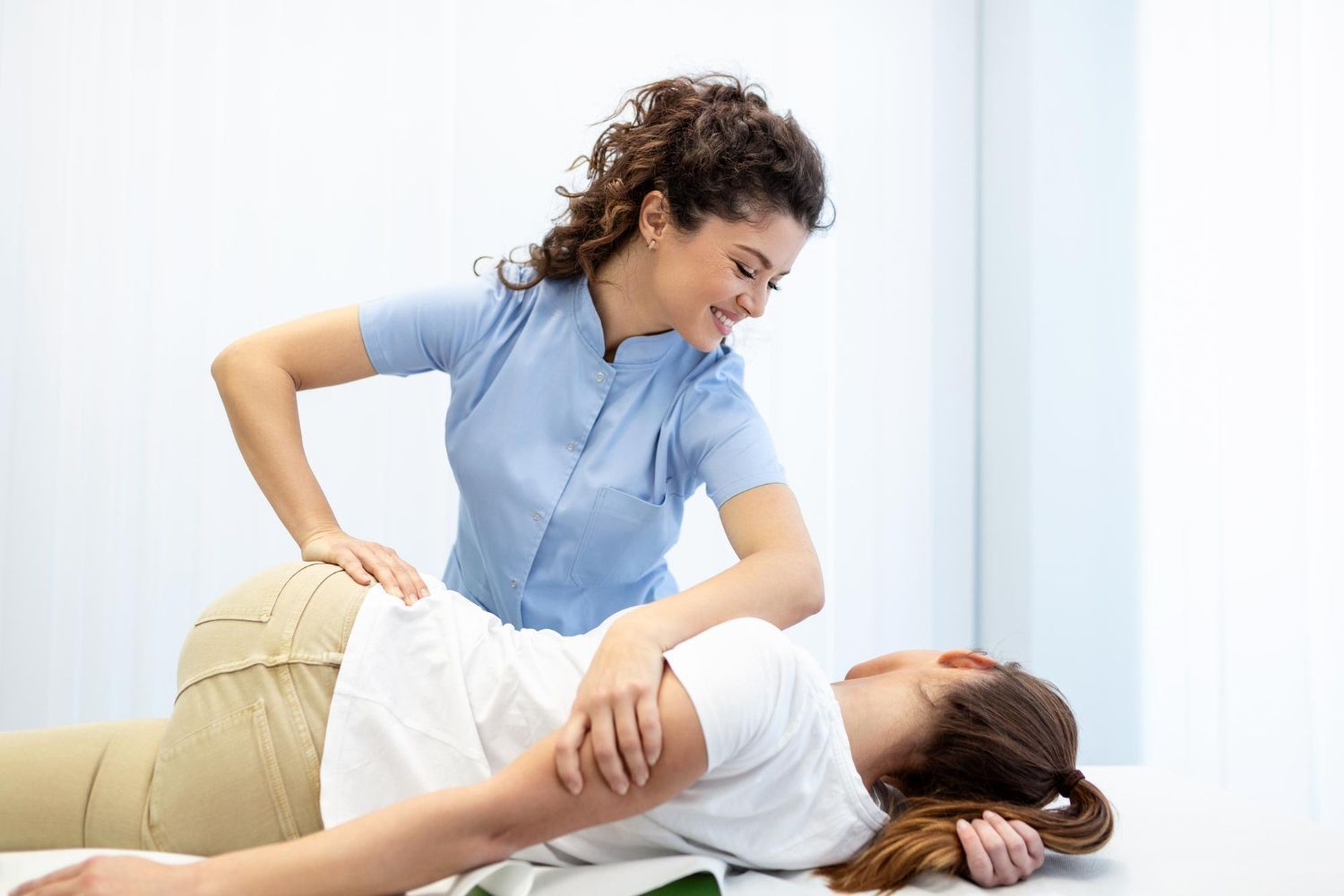
These professionals don’t stop with massage. They often give simple, low-pressure movements to try between sessions. Things like table stretches, short hallway walks, or shifting posture while seated can help keep good results going longer. What this does is create a rhythm that teaches your body how to stay well, not just feel better for a few hours.
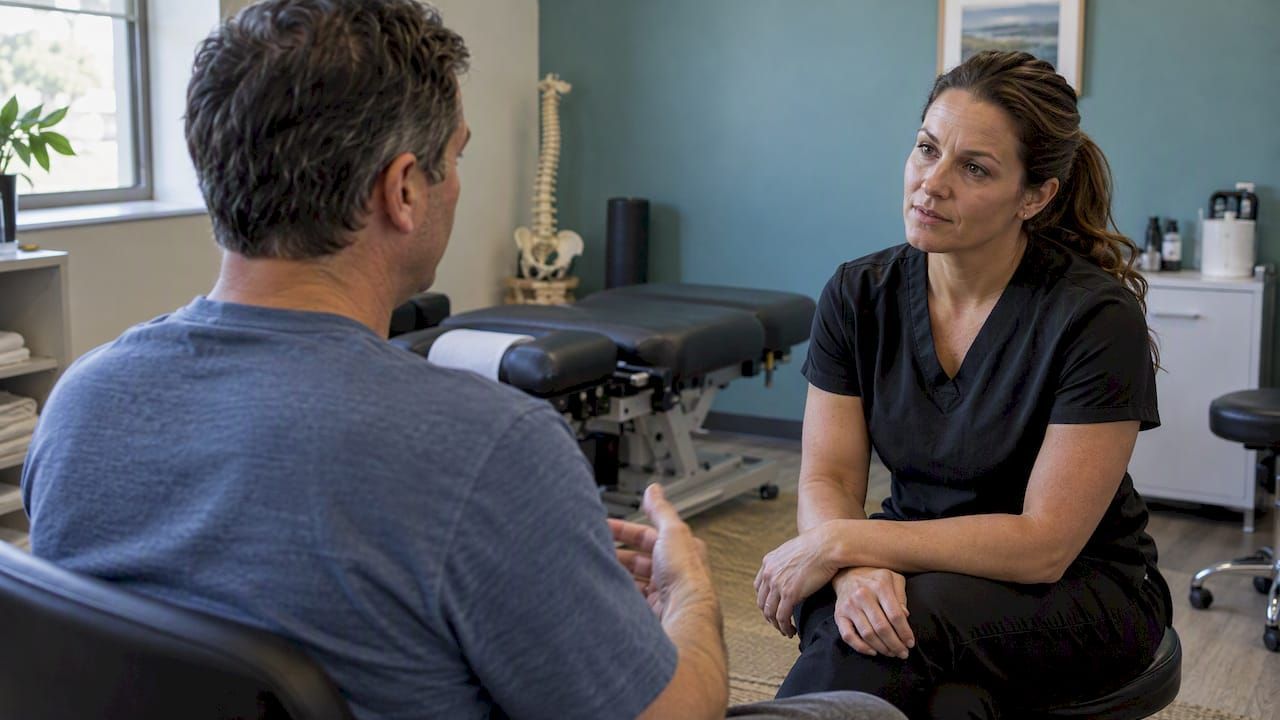
Some people feel nervous about adding new routines, especially if they’re worried about reinjury or making things worse. This is why working with someone who knows both techniques can be so valuable. They notice patterns we might miss ourselves and guide us toward the right mix of rest, massage, and activity that leads to solid, steady improvement. A combined approach is often much more effective than trying to recover alone or relying on just one method.
Tips for Building a Feel-Good Routine After Pain
Once you're past the first stage of healing, daily routines start to play a big role. What you do at home matters just as much as what happens in a session. Fortunately, Brandon’s bright, mild spring weather makes it easier to get moving without overdoing it.
Here are a few simple ideas that work well in Florida’s warmer months:
- Take a short walk in the morning or early evening when it’s cooler
- Try light stretching for your shoulders, neck, or lower back before bed
- Mix sitting and standing positions throughout your workday if possible
- Use a warm towel at night on areas that feel tight or tired
Small changes in routine, done every day, are more powerful than one big change done rarely. Consistency gives the body a chance to adapt and heal, and over time, even gentle activity can help restore strength and confidence.
Remember, the goal is not to “push through” pain. Often, change happens through ease and steadiness, not effort alone. Pay close attention to when things feel better and when they flare up. If something isn’t improving, that’s when it makes sense to check in with someone who understands how to guide recovery.
Keeping track of what helps and what hurts also lets you adjust daily activities for better comfort. Many people find that simple, mindful stretching or regular short walks brighten their outlook as much as their bodies. Being patient with the healing process and celebrating small gains makes it more likely that good habits will stick.
The Path to Easier Days Ahead
Massage and movement support each other in ways that help recovery feel less frustrating. Together, they make it easier for muscles to let go and joints to re-learn how to work comfortably. And when that happens, everyday motions start to feel less restricted.
There’s no single plan that works for everyone, but small improvements add up. When we stay consistent and pay attention to how our body responds, we gain strength little by little. With warm weather on our side and some dedicated focus,
Brandon locals are in a great place to keep moving toward easier, more comfortable days.
Working through recovery and seeking guidance that blends hands-on care with movement tailored to your body can feel overwhelming at times. We believe a trusted option is finding a
massage therapy chiropractor in Tampa who understands both. At
Essential ChiroCare, we know how important it is to feel comfortable while making progress, especially during spring when staying active is easy and refreshing. Our approach combines thoughtful care with gentle movement to bring flexibility and ease back to your daily routine. Whether you're managing post-injury tightness or simply want to move more freely, we're here to help you take the next step and feel more at home in your body.