Kids grow fast, and their bodies change in ways that can sometimes catch parents off guard. One moment, your child is learning to walk, and before you know it, they’re running laps around the backyard. A big part of that growth happens in the spine, which plays a major role in how kids move, play, and stay balanced. Changes in posture, coordination, or even the way they carry their backpack might raise questions. That is where support from a professional like a pediatric chiropractor in
Tampa can be helpful, especially when you want peace of mind during those key growth years.
Children are often in a constant state of motion. The activities they participate in, from organized sports to spontaneous play, all put unique demands on the spine. As kids bounce, tumble, climb, and explore their worlds, their core muscles, joints, and bones adjust in response to growth and movement. If you observe the sudden appearance of unusual posture or movements, it may be an early sign that their spine is adapting or even feeling the effects of underlying stress.
What the Spine Does in a Growing Body
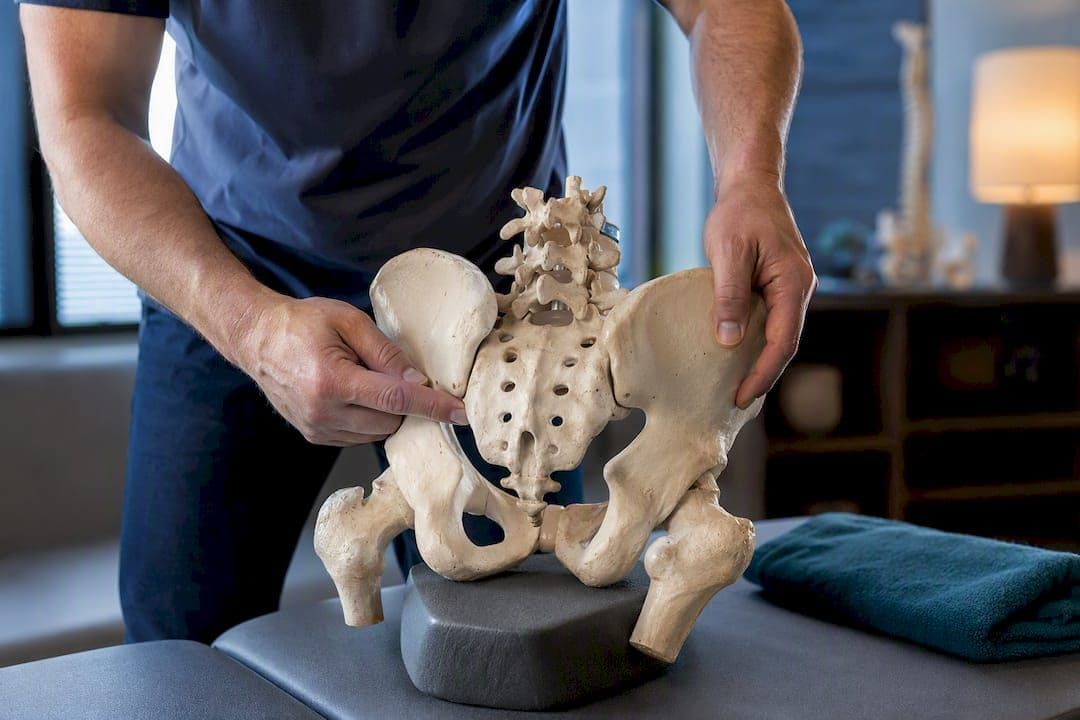
The spine does a lot more than just help us stand up straight. For kids especially, it works like a central support system that moves with them as they jump, stretch, bend, and balance. As children grow, every twist and turn helps shape how their spine forms, strengthens, and supports the rest of the body.
When the spine develops as expected, it helps:
- Keep balance during big gross motor movements like running or climbing
- Support growing muscles and joints in the neck, back, and hips
- Make daily tasks like sitting at a desk or wearing a backpack feel easier
The spinal column also houses and protects the nervous system. This means that as kids’ spines develop, their nervous system communicates with their muscles, organs, and tissues, supporting everything from walking to sleeping. Because the spine links so much of the body’s activity, even small imbalances or stressors can make it harder for a child to move comfortably or maintain proper posture.
These changes start early. From toddler years through early adolescence, the spine goes through several key growth periods. You might notice your child standing a bit taller or sleeping differently. These are common parts of development, yet it’s good to keep an eye on how they move and carry themselves every day.
Children’s spines are not simply miniature versions of adults’. The bones, discs, and connective tissues are still forming. That’s why appearances and patterns of movement shift quickly. It can be helpful for parents to observe changes over weeks, not just days, to identify what’s routine versus what’s unexpected.
Growth Spurts and the Spine
Growth spurts bring big changes, often in a short time frame. As kids shoot up in both height and weight, their spine works extra hard to adjust. That is when some temporary changes in movement or comfort can show up.
Common signs during growth spurts include:
- Awkward walking or clumsiness when moving quickly
- Slouched shoulders or leaning to one side
- Discomfort kids can’t quite explain, especially in the lower back or hips
It’s common for children to temporarily lose a bit of coordination as their bodies rapidly grow. They might appear more accident-prone or seem less steady on their feet than usual. Because bones can grow faster than muscles and tendons are able to adjust, this period comes with new aches and the need for extra support. Parents often notice that growing pains are accompanied by requests for more rest or help carrying heavy items.
Kids may not always have the words to tell you something feels off. Sometimes they just stop doing certain activities or seem more tired than usual after a normal day. These small shifts in behavior or posture might mean their spine is trying to catch up with all the other changes happening in their body.
Just as important, monitor how your child sits, stands, and transitions between activities when they are going through these intense periods of growth. Extended episodes of clumsiness or resistance to previously enjoyed activities may point toward discomfort at the back or in other areas. All of these details can provide helpful information for parents and care providers.
Posture Habits That Matter
We’ve all heard someone mention “good posture,” but for kids, those habits don’t always come naturally. That is especially true with the way screens, backpacks, and daily routines impact their development.
Some posture habits that might affect a growing spine:
- Hunching over tablets or phones for long stretches
- Wearing backpacks that are too heavy or carried on one shoulder
- Slouching on the couch or while doing homework
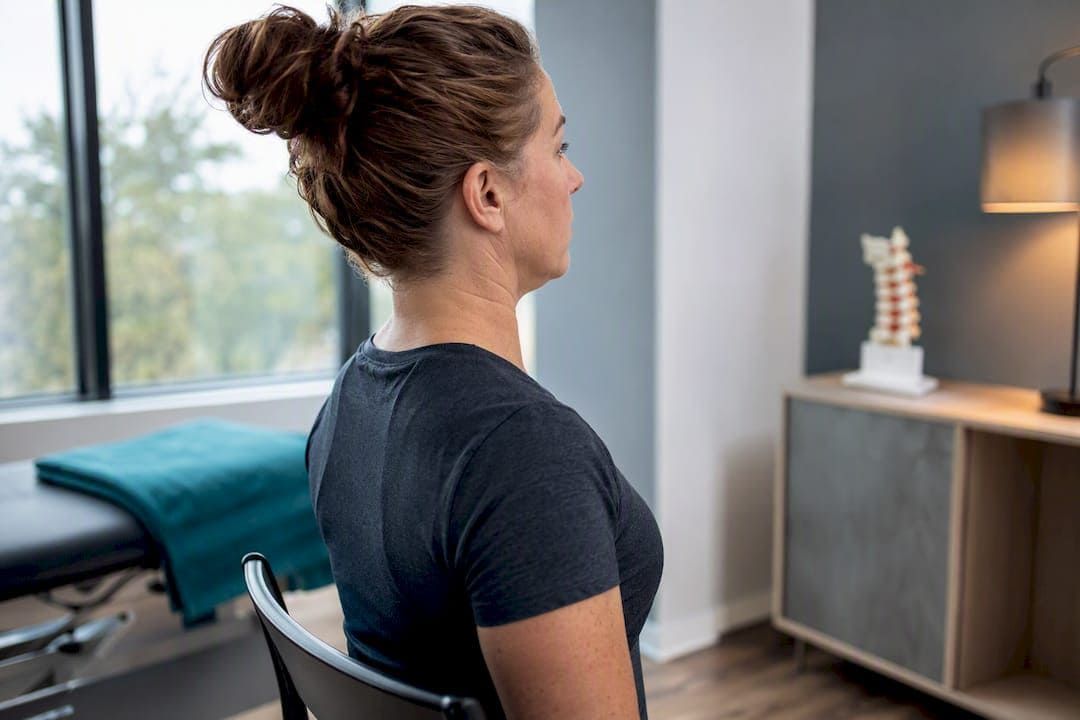
In the modern world, children are exposed to more screen time than ever before. Hours spent using tablets, phones, or computers for entertainment and learning mean their heads are often tilted forward, adding pressure to the still-growing vertebrae of the neck and upper back. Even activities like reading in bed or sitting on the floor for craft projects can influence daily posture patterns.
None of these are unusual, but when they happen regularly, they can put extra stress on a developing spine. Over time, these patterns may show up as uneven muscle strength or stiffness in certain spots. The earlier these habits are noticed, the easier it is to guide them in a better direction before they become long-lasting issues.
Regular breaks, reminders to adjust posture, and encouragement to use both straps of a backpack or to sit on a supportive chair can make a noticeable difference. Families might also look for signs of fatigue or reluctance to sit or stand for normal periods; these can sometimes signal muscle stress or developing habits that are harder to correct later.
When to Pay Closer Attention
A lot of the time, kids bounce back from growth changes quickly. But certain signs may suggest it's worth having a closer look at how the spine is handling all that movement and change.
It can help to watch for:
- Shoulders or hips that appear uneven
- Limping or favoring one leg when walking
- Complaints of tightness or pain in the neck or back
If your child starts to favor one side or seems less interested in physical play than usual, it may be time for a gentle check-in. Discomfort during sleep or difficulty getting comfortable at night can also be linked to spinal adjustment challenges, especially during growth spurts.
It's not always easy for kids to describe how they feel. Their messages might come out more like “my back feels weird” or “it hurts when I sit.” These little clues matter. In these moments, reaching out to a pediatric chiropractor in Tampa might offer a helpful layer of guidance when you're unsure whether your child needs extra support.
Being attuned to subtle changes in energy, mood, or engagement can equip families to spot the need for intervention early. If you hear repeated comments about discomfort after certain activities, or if your child consistently wants to avoid physical challenges, consulting with a specialist can reassure you about their progress or identify opportunities for gentle adjustments.
Growing Strong from the Inside Out
Keeping an eye on your child’s spine shouldn’t feel scary. Most changes are part of normal development. But staying tuned into posture, movement, and how they carry themselves can make a big difference over time.
Small actions like practicing a mix of activities, making sure their resting spots are comfortable, and encouraging open communication about how their bodies feel all help kids develop lasting strength. Consistent routines, such as stretching after play, sitting properly during meals, or choosing the right backpack, can reinforce positive habits throughout childhood.
A healthy spine helps kids feel steady, move with ease, and stay ready for all the things they love to do, whether it's running at recess or riding bikes with friends. With regular routines, smart habits, and the right kind of support when needed, growing up strong becomes a little more comfortable for everyone involved.
At
Essential ChiroCare, we know how quickly things can shift when your child is growing. Noticing small changes in how they walk, sit, or carry themselves might mean it's time to check in on their spine. Getting insight from a trained provider like a
pediatric chiropractor in Tampa may help you understand what's normal and what might need a closer look. We are here to help you feel confident about your child's development at every step, so
reach out today to
schedule a visit or ask questions about care.