
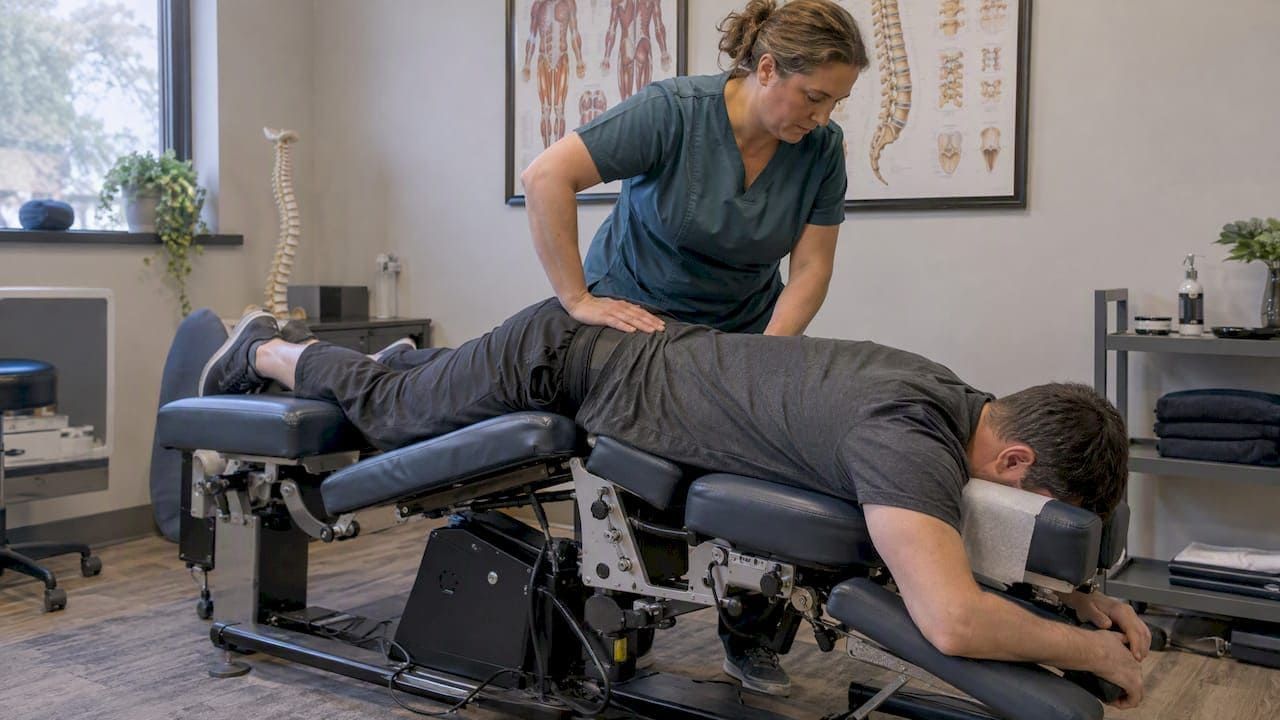
If You’re Having Stiffness or Pain After Being Rear-Ended, Don’t Ignore it. Here’s Why.

Dr. Tan Tran, DC • June 17, 2022
Experiencing pain after being rear-ended is very common–and, unfortunately, so is ignoring that pain and hoping that it’ll go away with time. Thankfully, car accidents aren’t always completely destructive, but that doesn’t mean they aren’t serious. Just because your car made it through with minimal damage doesn’t make the pain you’re experiencing (or your risk of injury any less) real. Setting yourself up for long-term health and healthy mobility means addressing pains, stiffness, and discomfort as soon as possible once they occur–especially if they’re occurring as the result of a car accident. Today, we’re covering why “harmless” car accidents aren’t always as harmless as they seem, what that pain you’re experiencing could mean, and what you should do about it. Let’s dive in.

It’s Not Nothing.

It’s justified to be grateful if you leave a car accident with little to no car damage and no serious injuries in sight. Being involved in a car crash is jarring and scary, to say the lease, and the ability to walk away from it unscathed isn’t something to take lightly.

With the relief of an “Oh, that was nothing!” car accident comes an unfortunate set of misconceptions, especially as it relates to your physical well-being. Because of this, it’s important to remember that a minor car accident is still a sudden, potentially traumatic event that can bring a variety of physical repercussions, including:

5

Shock

Which can delay your ability to feel the extent of your injuries by hours or even days.
5

Whiplash

Which is especially common when your head and neck jostle suddenly after being rear-ended
5

Bruising

Which can range from minor to a symptom of serious internal bleeding.
5

Back Pain

5

Numbness or Tingling

Which can be a sign of anything from a pinched nerve to head trauma.
5

Head trauma

Which can manifest in a variety of ways, including dizziness, disorientation, and/or nausea.
These are only a few of the most common symptoms drivers can experience in the hours, days, or even weeks following even the most “harmless” car accident–and they’re not to be ignored.

Why You Should Never Ignore Your Symptoms

Symptoms aren’t where our afflictions end; more often than not, they’re the tip of the iceberg. Pain is our body’s most effective alarm system–it’s there to let us know that something is wrong, and it begs us to investigate further. This is the number-one reason why it’s not a good idea to ignore pain you’re experiencing after being rear-ended. This pain is a useful tool in helping you and a medical professional find out what’s wrong with your body, then take safe steps to correct it.

We don’t say this to be alarmist, but rather to make sure the seriousness of the situation comes across: ignoring pain after a car accident can lead to serious complications. Even if you are triaged or examined at the scene, it’s still important to seek medical treatment for any pain or stiffness that persists after an accident.

Failing to treat pain and stiffness can lead to mobility issues, prolonged discomfort, chronic pain, and serious emotional distress over time. These issues can all be mitigated with the appropriate medical care.

See a Medical Professional

It’s highly recommended that you see a physician as quickly as possible after being involved in a car accident (even a minor one). They’ll be able to rule out any urgent conditions, like internal bleeding, broken bones, or a concussion, that can become life-threatening if left unchecked.

If you don’t see a medical professional right after your crash due to a lack of perceived injuries, or you see one and are cleared of anything serious but are still experiencing muscular pain or stiffness, it’s a good idea to seek a second (or first) opinion from a specialized medical professional, like a chiropractor or physical therapist.

A good chiropractor will work with you to pinpoint the source of your discomfort, and they’ll create a results-oriented treatment plan to help target the root cause of your pain in order to get your mobility back to where it needs to be. It may be tempting to brush that discomfort under the rug, but you’ll find substantial relief–and see an improvement in your quality of life–if you and a skilled medical professional address it sooner rather than later.

It’s never a good idea to ignore discomfort or pain after being rear-ended. If you’re experiencing something like this, learn more about what you can expect from chiropractic care here.
Sacramento chiropractic flexion distraction
By Essential ChiroCare Blogger • November 13, 2026
Learn how Sacramento chiropractors use flexion distraction, what trials show for chronic low back pain and radiculopathy, and why force delivery matters.
chiropractic care for shoulder impingement
By Essential ChiroCare Blogger • November 12, 2026
Clinic-led, evidence-aligned guide to multimodal chiropractic care for shoulder impingement. Learn manual, thoracic, and soft-tissue techniques plus a...

chiropractic care for spinal stenosis
By Essential ChiroCare Blogger • November 11, 2026
Evidence based guide to multimodal chiropractic care for spinal stenosis. Learn how manual therapy plus exercise can ease pain and improve walking in...
chiropractic treatment for plantar fasciitis
By Essential ChiroCare Blogger • November 10, 2026
Evidence based chiropractic care for plantar fasciitis patients: guidelines, dry needling data, a 4–8 week clinic plan, and specific home exercises.
chiropractic treatment for spondylolisthesis
By Essential ChiroCare Blogger • November 9, 2026
Learn when chiropractic care is appropriate for low‑grade spondylolisthesis, which gentle techniques reduce pain, and which red flags need prompt surgical...

Shoulder pain chiropractor Tampa
By Essential ChiroCare Blogger • November 8, 2026
Learn how the best chiropractor in Tampa evaluates holiday shoulder pain, identifies likely causes, and creates a personalized plan for relief and mobility.

Chiropractic care after a car accident
By Essential ChiroCare Blogger • November 7, 2026
Learn which post-crash mistakes can slow healing and when to see a car accident chiropractor in Tampa for personalized care and support after a collision.
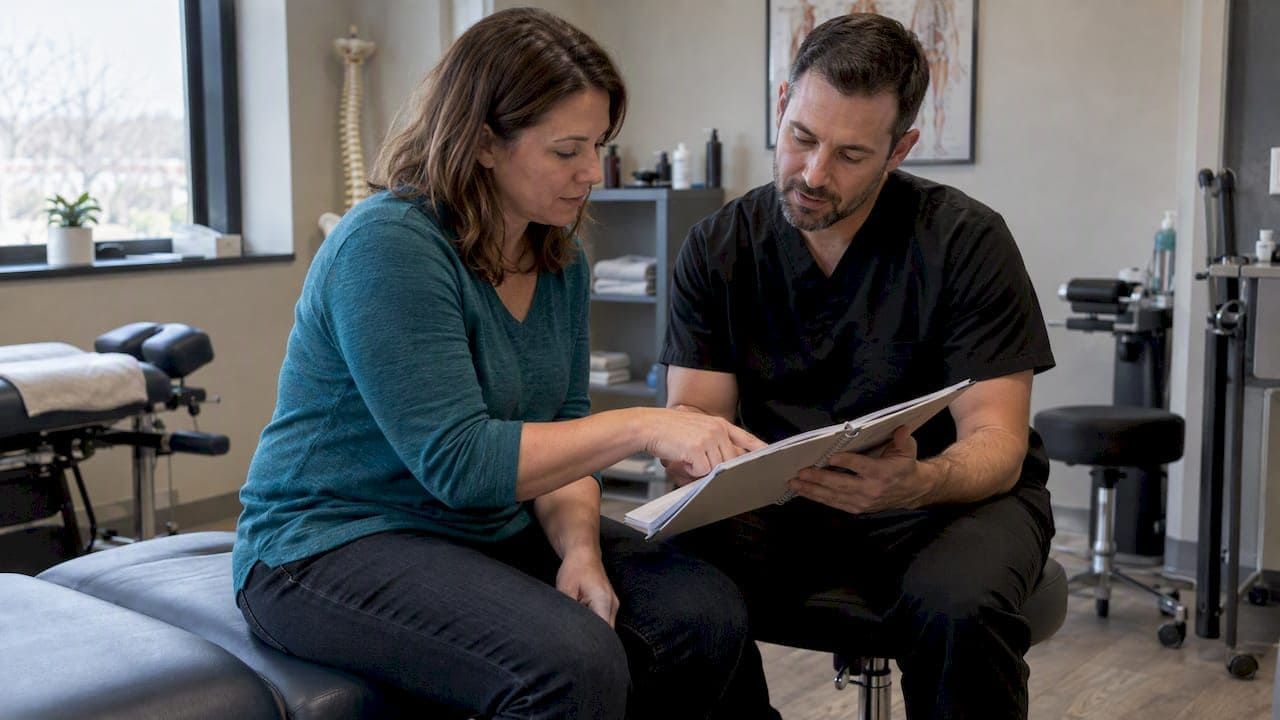
Chiropractic care for migraine relief
By Essential ChiroCare Blogger • November 6, 2026
Clinic authored, evidence informed guide to trying chiropractic for migraines safely: run a defined trial of several weeks, track migraine days, and...
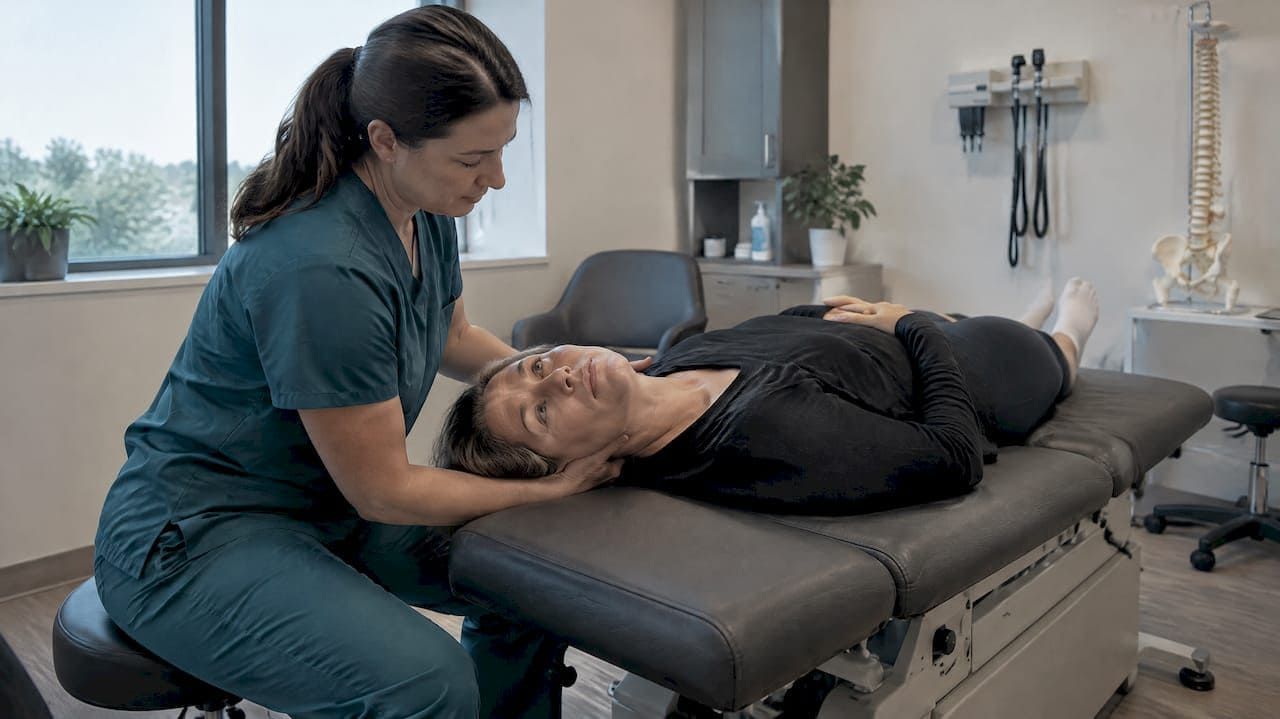
Posterior canal BPPV treatment
By Essential ChiroCare Blogger • November 5, 2026
Evidence based guide to vertigo chiropractic treatment: maneuvers that work, tests that guide care, and safe options for limited neck mobility.
chiropractor for degenerative disc disease
By Essential ChiroCare Blogger • November 4, 2026
Evidence-forward, safety-first guidance on chiropractic care for degenerative disc disease. Read research takeaways, realistic expectations, and five...
Show More