Winter mornings in Brandon tend to have a chill in the air, even if it doesn’t get brutally cold like up north. That drop in temperature is just enough to make a difference in how your body feels when you wake up. If you’ve ever noticed your lower back feeling extra tight or sore on these colder mornings, you’re not alone. Many people in Central Florida find that back discomfort feels worse when the temperatures cool down, especially after a night of limited movement. The way our muscles respond to cold combined with how we move (or don’t) first thing in the morning can bring out stiffness and discomfort. If you’ve been waking up tight and rigid lately, especially in colder months, you may relate. A back adjustment chiropractor in Sarasota might not be the first thing that comes to mind on a chilly morning, but taking steps like that could make a noticeable difference.
Why Cold Weather Affects Lower Back Comfort
It’s no surprise that cold air makes us want to stay curled up under blankets. But when we do finally get up and start moving, our muscles aren’t always ready. Cooler temps in the early morning hours can lead your muscles to tighten up more than usual. That goes double for the lower back, which works hard during everyday motion and posture.
There are a few things that make winter mornings harder on the lower back:
• Muscles start off stiffer when it's chilly, especially after hours of lying still
• People often skip their normal stretch or warm-up routines because they feel sleepy or rushed
• Everyday tasks like bending to put on socks or lifting a backpack can feel more uncomfortable than usual
The body takes longer to loosen up after resting, especially when it’s cold. That slower start can turn into more noticeable stiffness, and lower back discomfort becomes a part of the morning routine.
When Lower
Back Pain Feels Different Seasonally
If your back feels worse during winter, you’re not making it up. A lot of people say their pain feels different depending on the season, even in Florida. Brandon doesn’t hit freezing temperatures often, but those early February mornings can still cause enough of a chill to throw the body off balance.
Think about the contrast for a second. During warmer months, mornings often kick off with more sunlight and more activity. We’re outside more, spending weekends walking in parks or swimming. But during the cooler weeks, everything slows down. Quiet mornings at home and long commutes in cars that take a while to warm up can increase stiffness.
Here’s how that shift plays out:
• On winter days, many of us sit longer without noticing
• The lower back gets less blood flow and movement without regular activity
• Cooler air can make muscle tightness feel more noticeable
If these seasonal changes seem familiar, it’s likely that your lower back is picking up on the difference.
Simple Lifestyle Habits That Make Mornings Easier
Adjusting your routine slightly could help take the edge off those cold-weather aches. It doesn’t have to mean changing your whole lifestyle. Small habits added into your morning can support your body during cooler days.
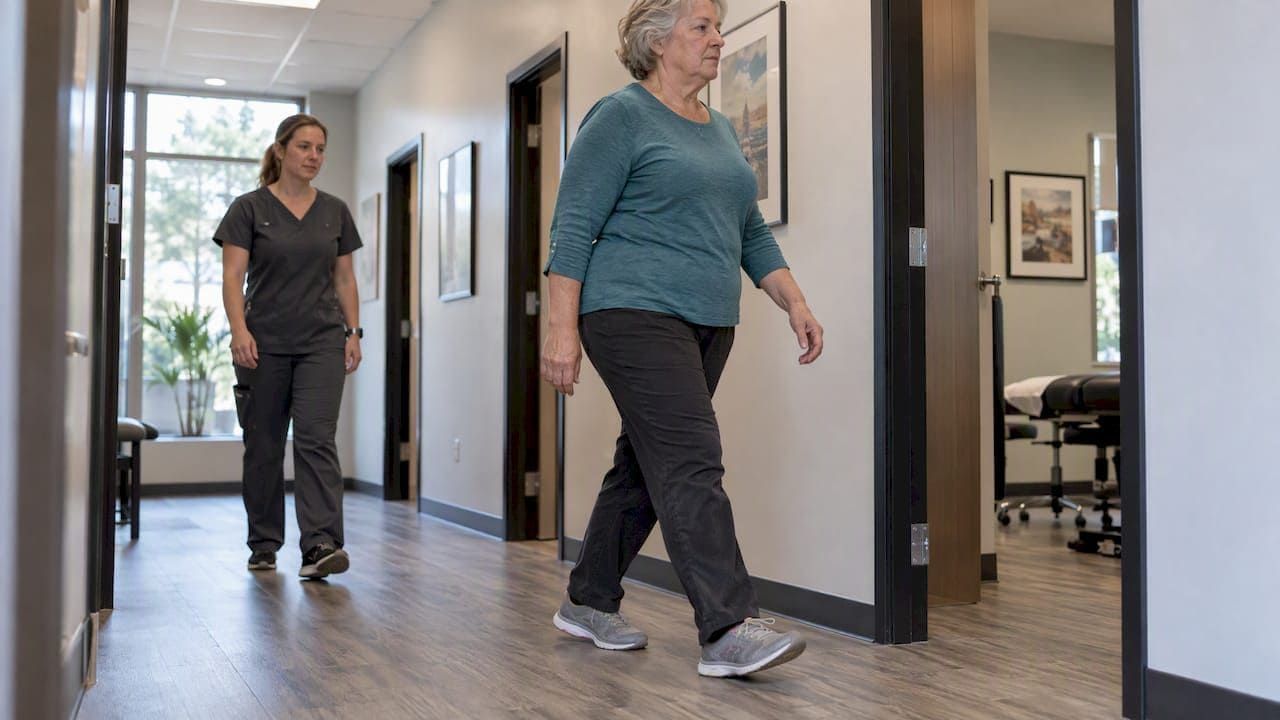
Try beginning the day with a few light motions. Walking around your space for five minutes or gently shifting back and forth while brushing your teeth can help warm up your spine. Warm water in the shower or a heating pad for a minute or two can also bring relief.
Here are a few habits that help:
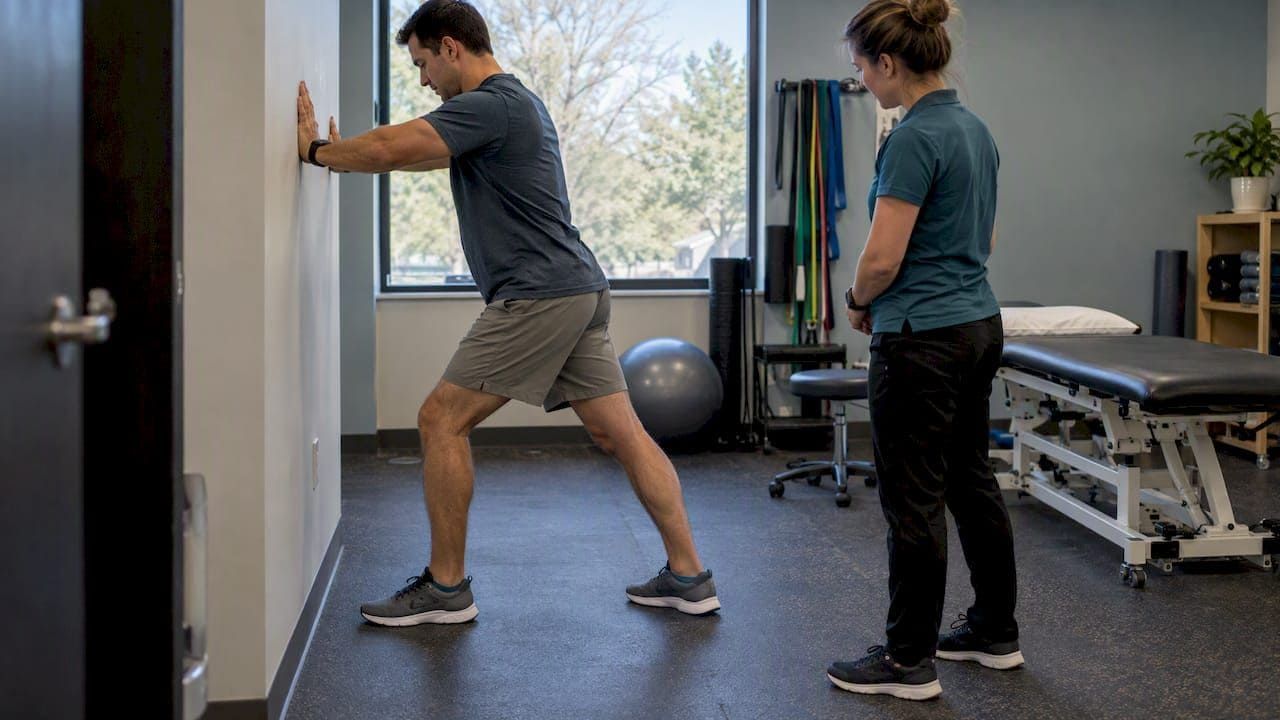
• Light movement like walking or stretching right after waking
• Standing up slowly after long periods of sitting
• Being mindful of back posture while dressing or reaching for items
Each one seems simple, but together, they make the morning feel less stiff and more manageable.
The Value of Support from a Professional
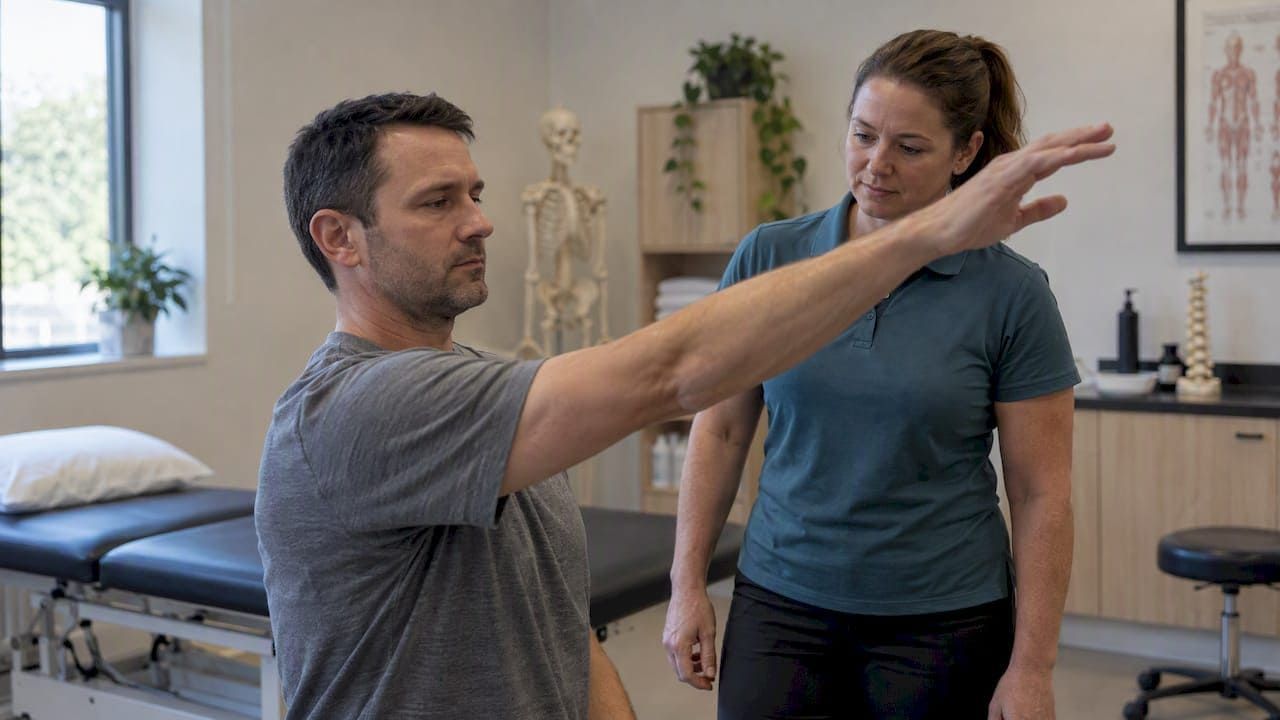
If your back still feels tight every morning, even after trying basic movement or adjusting your habits, it might be time to get some extra help. Some misalignments or muscle imbalances need more than a careful stretch.
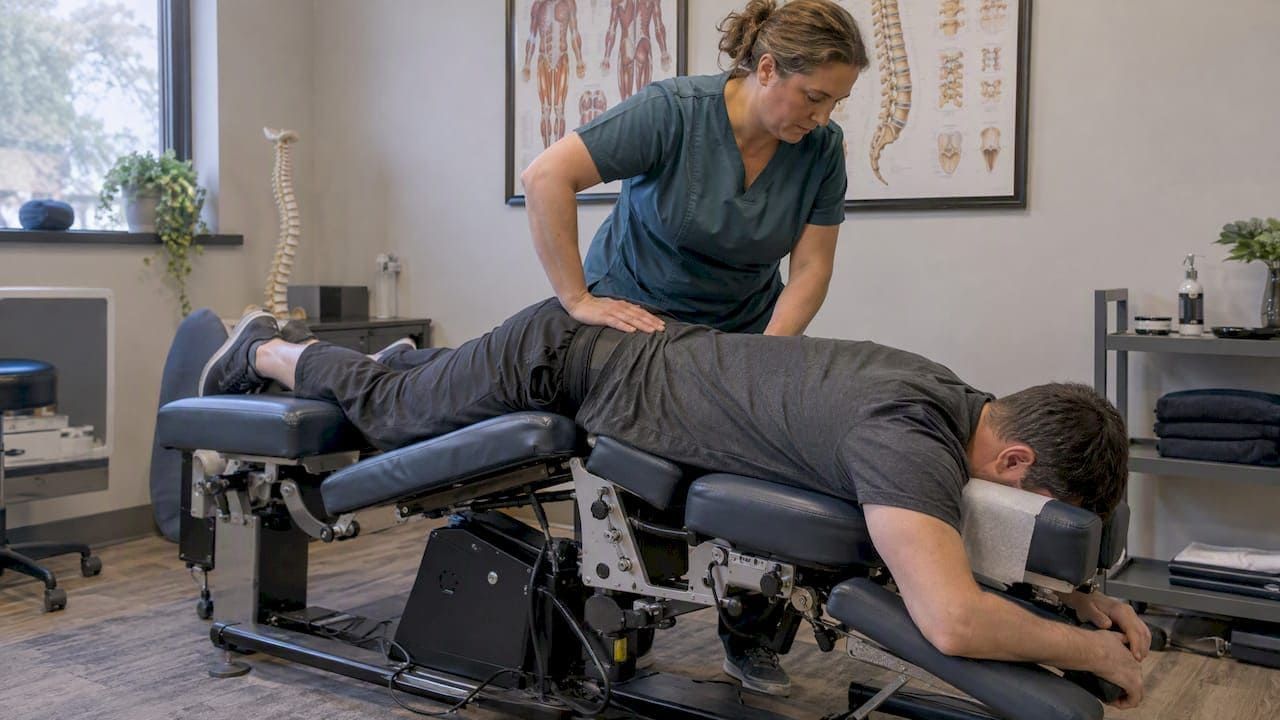
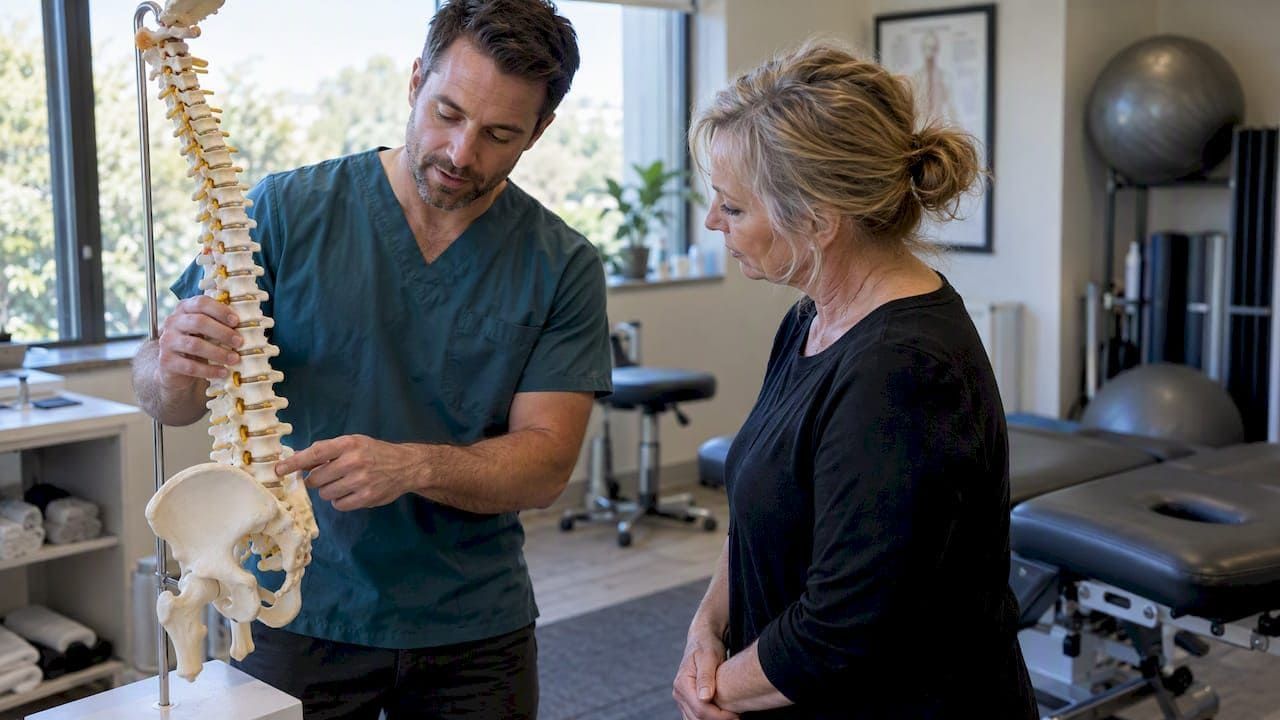
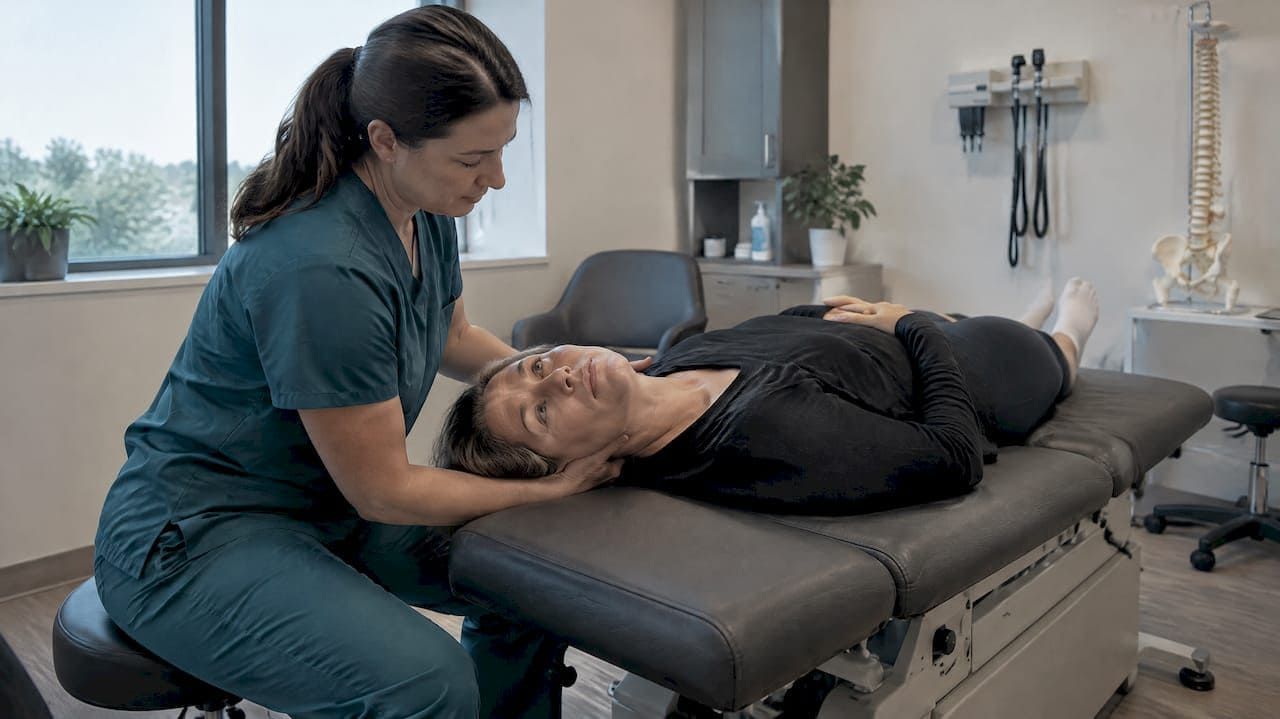
Professional care can go deeper than what we feel or notice on our own. A back adjustment chiropractor in Sarasota, for example, may be able to identify small changes in alignment contributing to the stiffness. These kinds of adjustments can support your ability to move more freely and feel more at ease, especially on those colder days.
While ongoing discomfort may seem like something you just have to deal with, it doesn’t always have to be that way. Getting the right kind of support can make morning movement feel more doable again.
Staying Comfortable Through the Rest of the Season
Lower back tension on cool
Brandon mornings is something plenty of people deal with, but it isn't something you automatically have to accept. By paying more attention to how you start your day and listening to what your body is telling you, you may begin to notice what helps and what doesn’t.
Simple changes in routine can offer relief and prevent soreness from becoming an everyday occurrence. Mix that with the right kind of movement and support, and you’re setting yourself up for more comfort, even when the temperatures dip. With a little extra care, your mornings can shift from stiff to steady.
At
Essential ChiroCare, we understand how lower back stiffness can linger on chilly
Sarasota mornings, especially when your body feels off balance. Making small shifts in how you start your day may offer some relief, but if the tightness keeps returning, it might be time for more focused support. Working with a professional like a
back adjustment chiropractor in Sarasota could help create more space and ease in how you move each day. We’re here to help you find simple, supportive steps that keep your mornings feeling better.
Call us today to talk through your options or
schedule a visit.