
Snap, Crack, Pop! What Happens When You Crack Your Back?

Dr. Thang Tran, DC • March 7, 2022
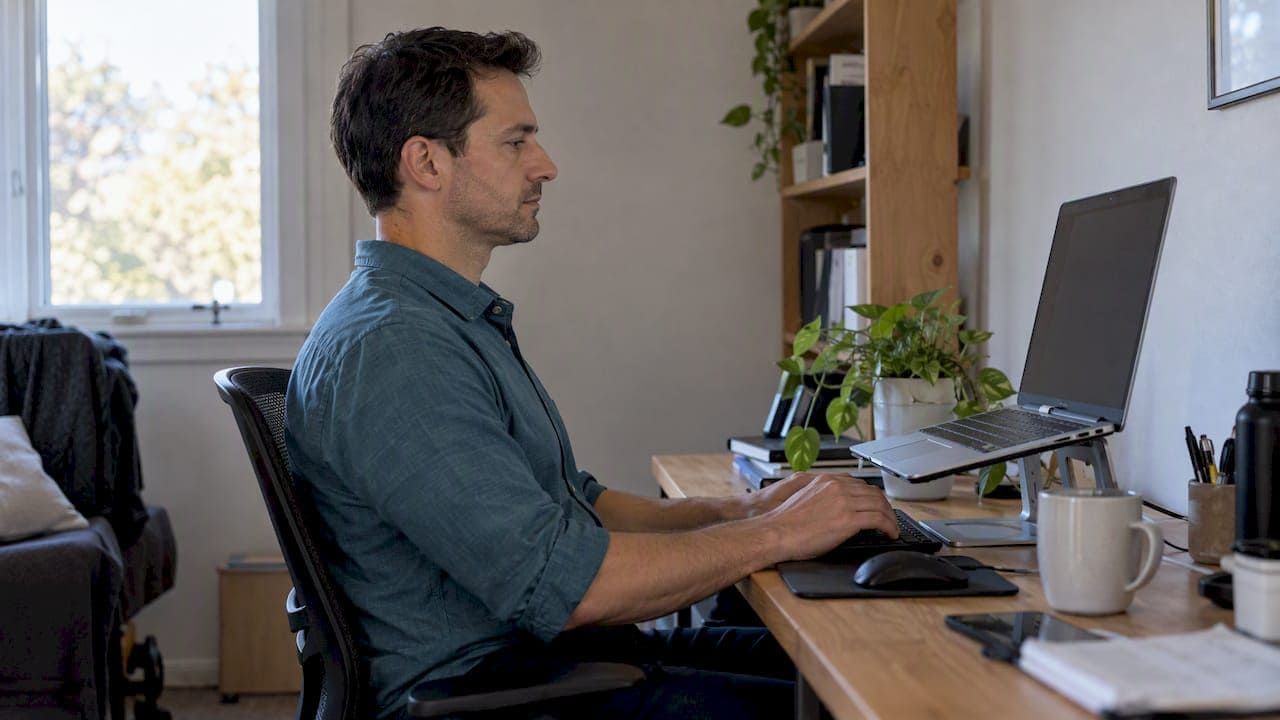
You’ve spent the last hour resting in your favorite chair and decide to get up for a snack when—crack! Suddenly a series of pops sound against your spine and neck. For some, cracking your back is satisfying.

While it might feel good, that snap, crackle, pop might mean you’re due for a doctor’s appointment.

So what does it all mean? Should you start worrying?

Not just yet. Instead, read our guide to learn more about the meaning behind that sudden sound. Here’s what happens when you crack your back.

Understanding the Spine

Before we talk about what happens when you crack your back, let’s dive into the anatomy of the spine.

First of all, the spine is broken down into three major components. The spinal cord is the long bundle of nerves connecting the brain to nerves throughout your entire body.

Then there are the meninges, which are membranes around the spinal cord and brain. The meninges absorb any impact that occurs to your spine. They also contain fluid called cerebrospinal fluid.

Finally, there’s the spinal or vertebral column. The spinal column is made up of stacked pieces of bone called vertebrae. Your vertebrae work independently, allowing your back to bend and provide flexibility.

What Happens

Doctors have a few different theories about what happens when you crack your back.

Some believe adjusting a joint releases synovial fluid. When the fluid becomes gaseous, it creates the snapping, popping sound.

Adjusting your back can stretch your facet joints, which are capsules at the outer edges of your vertebrae. When you stretch these capsules, the synovial fluid has more space to move. This releases pressure against your back joints and muscles.

Releasing this pressure makes the synovial fluid gaseous through a change of state called cavitation.

Then, you’ll hear the sound associated with cracking your back.

Other doctors believe gases such as nitrogen, oxygen, and carbon dioxide build between the joints over time. When we sit over long periods of time, the joints aren’t properly aligned, which causes swelling.

When you finally stretch and move, the gases are released, causing the back cracking sound.

Feels Good vs. Fears

So why does cracking your back feel so good?

For starters, you’re relieving pressure against your spine. Cracking your back can also release endorphins, which is the feel-good hormone. The pituitary gland creates endorphins to manage pain throughout the body.

When you crack your back and release these endorphins, you’ll experience a sense of satisfaction.

Some patients associate the back popping sound with positive relief. Hearing this sound, more than t

Spinal Manipulation

Sometimes, it’s safer to see a professional than cracking your back on your own. During your appointment, a professional will move your back joints beyond their usual range of motion. Manipulating your joints can recreate that back popping sound. Using their lower back adjustment techniques can help relieve pressure against your back.

After cracking your back, you should experience some relief.

If your pain persists, however, a chiropractor might suggest surgery or anti-inflammatory medications to relieve your pain. Medication can reduce the back cracking sounds you’re hearing as well. When medication doesn’t work, however, your doctor might determine an injury or musculoskeletal disorder is the main culprit.

A licensed chiropractor or physical therapist can help address any chronic back pain you’re experiencing.

At-Home Exercises

If you can’t see a chiropractor right away, consider stretching your back muscles. A few simple exercises at home can help reduce your back pain and improve your range of motion.

First, lie on your back and hug your knees to your chest. Repeat this exercise two or three times, twice a day.

You can also try a lower back rotation

Lie on your back and bend your knees. Keep your shoulders stationary as you move your hips to one side, until your knees touch the ground. Hold this position for 10 seconds.

Then repeat on the other side.

However, it’s important you don’t try to manipulate individual back joints or discs alone. This can lead to damage or injury. Instead, see a chiropractor and let them know about what happens when you crack your back.

Understanding What Happens When You Crack Your Back

If you feel good after cracking your back, you’re fine to continue relieving the pressure on your own. However, it’s important to make sure not to have someone twist your beck or walk on your back. This can cause bigger problems in the future.

Want a professional’s opinion? Contact us today.

Forward head posture exercises
By Essential ChiroCare Blogger • November 26, 2026
How to correct forward head posture: what causes it, which neck exercises have evidence, how to change your daily habits, and when to see a chiropractor.

patellofemoral pain exercises
By Essential ChiroCare Blogger • November 25, 2026
Patellofemoral pain exercises that work: a phased hip-and-knee plan, safe squat depths, how to handle jumper's knee, and when to see a clinician.
ulnar nerve entrapment exercises
By Essential ChiroCare Blogger • November 24, 2026
Try five gentle ulnar nerve glides at home, learn when to stop, and pair them with night splinting and elbow changes. Know when to seek clinical care.
how to relieve lower back spasms
By Essential ChiroCare Blogger • November 23, 2026
Find relief from lower back spasms with heat or ice and gentle movement, not prolonged bed rest. Learn urgent warning signs and ways to prevent recurrence.

Tech neck treatment Tampa
By Essential ChiroCare Blogger • November 22, 2026
Discover how chiropractic care can help ease tech neck, improve posture, and support mobility at a chiropractic clinic in Tampa with personalized treatment.

chiropractor for back pain Tampa
By Essential ChiroCare Blogger • November 21, 2026
Discover how to find the best chiropractor in Tampa for effective pain relief, injury recovery, and better mobility with personalized chiropractic care.
hip bursitis exercises
By Essential ChiroCare Blogger • November 20, 2026
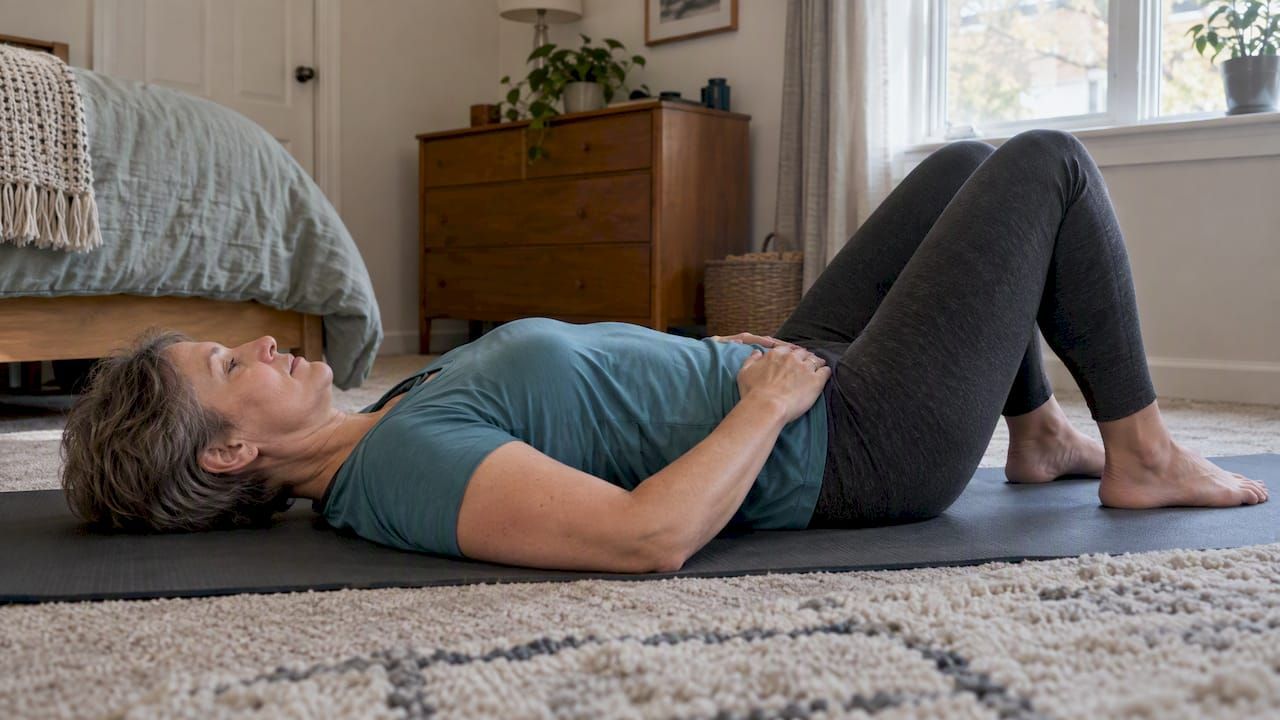
Use hip bursitis exercises to build strength safely with an 8–12 week plan, manage load, and recognize when worsening pain needs clinical care.
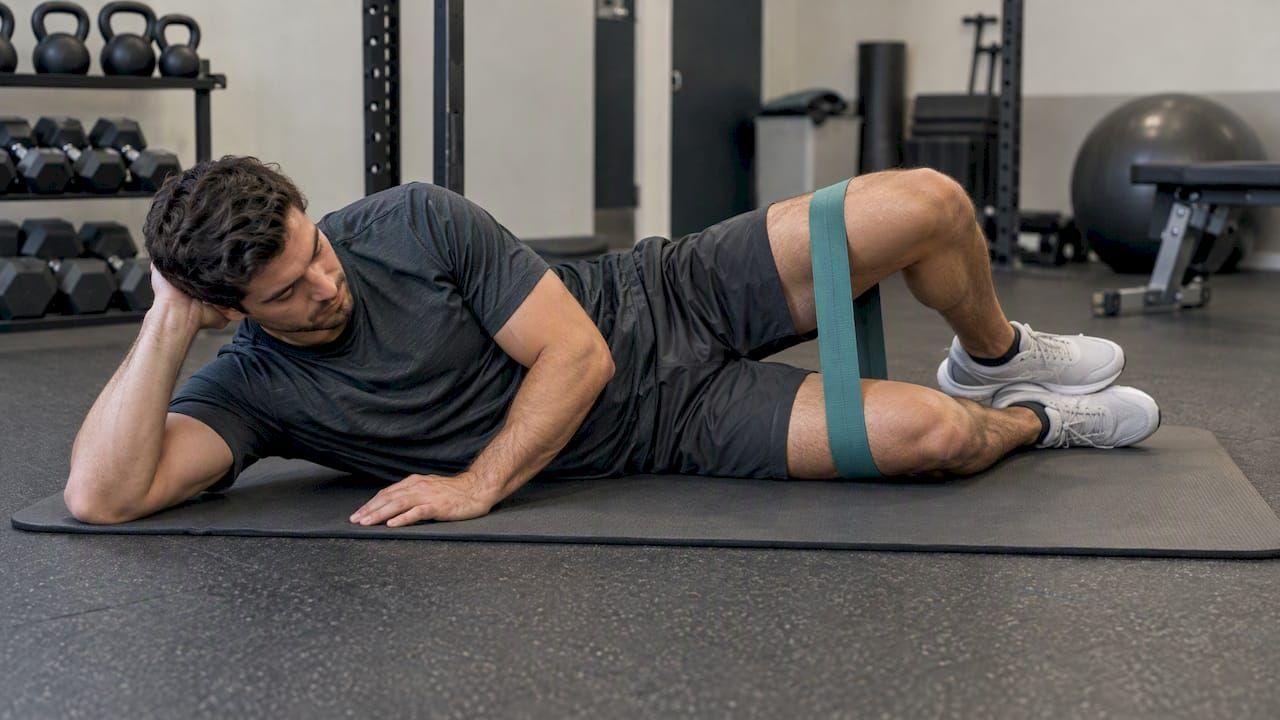
glute activation routine
By Essential ChiroCare Blogger • November 19, 2026
Try a 6 to 8 minute glute activation warm up before runs or heavy lifts, using clinician cues and quick tests to check readiness without tiring your muscles.
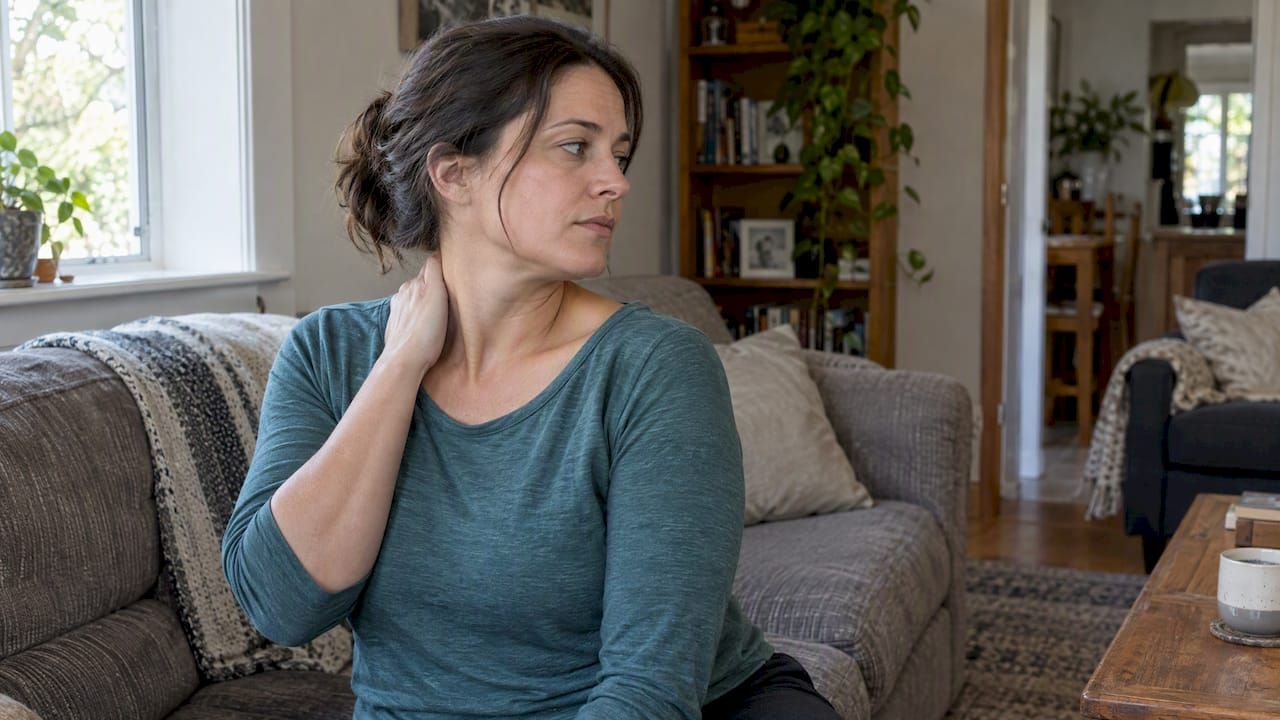
cervical radiculopathy relief
By Essential ChiroCare Blogger • November 18, 2026
Get cervical radiculopathy relief with a staged home exercise plan, realistic recovery timing of 8 to 12 weeks, and clear signs to seek urgent care.
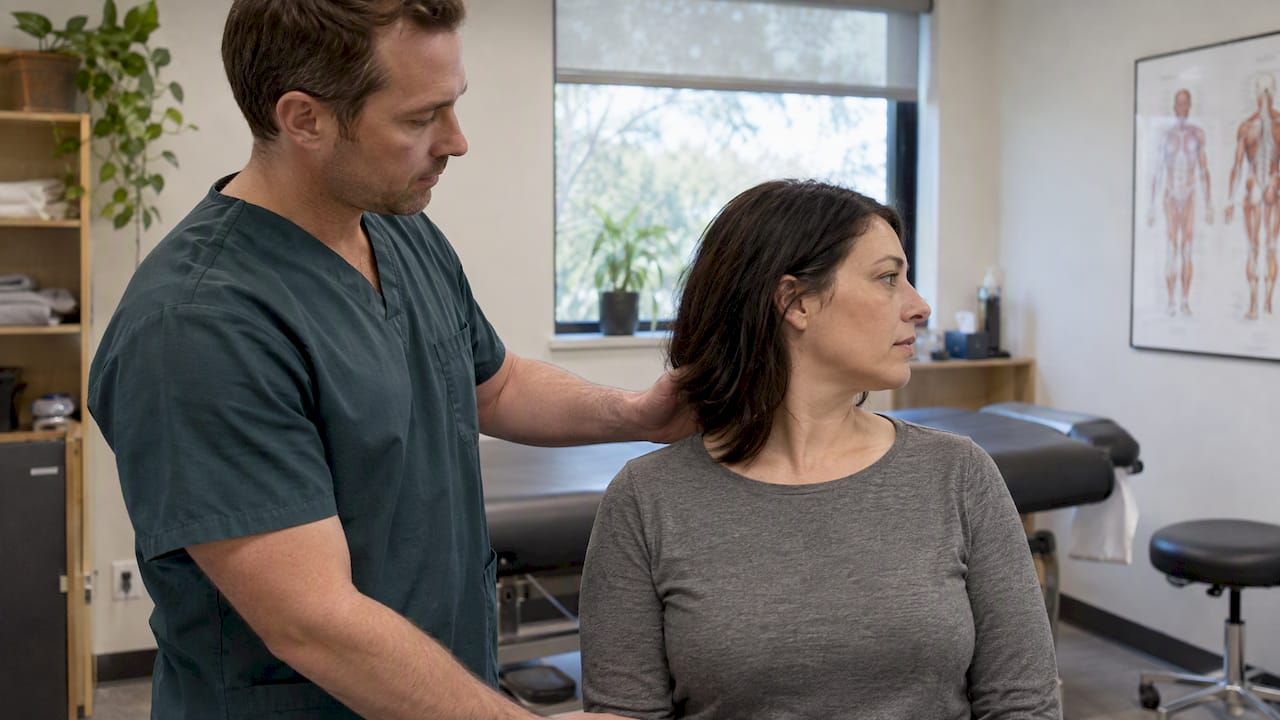
soft tissue injuries from car accidents
By Essential ChiroCare Blogger • November 17, 2026
Get a medical exam after a crash, track symptoms that may emerge hours or days later, and learn how first aid, chiropractic care, and rehab support recovery.
Show More