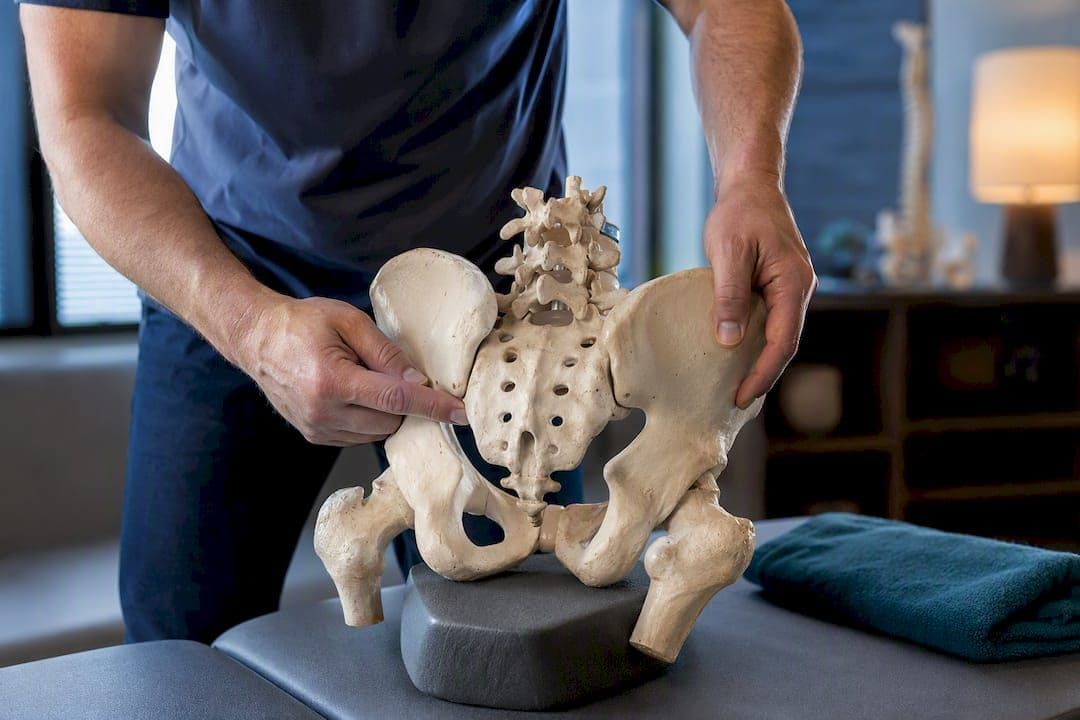
Winter in Lakeland doesn’t come with snowdrifts or frozen sidewalks, but cooler mornings and drier air still make an impact. It’s often just enough of a seasonal shift to affect how our bodies feel, especially in joints like the hips. You might notice stiffness after sitting awhile or a dull ache when getting up in the morning. These changes may seem small, but over time, they add up.
Winter months also bring more sitting, less activity, and that dry indoor heat. All of these can combine to make your movements feel tighter than usual. If your hip pain tends to return or get worse during this time of year, there’s likely more going on than the drop in temperature. A hip pain chiropractor in Tampa may help uncover changes in how your body moves that are harder to notice once things cool down.
Why Cooler Weather Makes Joints Feel Stiffer
Even though Florida winters are mild, they can still bring enough cool air to make joints and muscles behave differently than they do in summer. When our bodies are exposed to cooler temps, the tissues around our joints tighten as part of a natural response. That tension tends to settle in places like the hips, especially if they’re already under strain. At Essential ChiroCare, we see that shoulder, knee, and hip pain often responds best when we focus on improving joint mobility and calming irritation in the surrounding tissues.
Our daily routines change too. Shorter days often mean less movement, less stretching, and more time inside on the couch or at a desk. This builds up slowly. You might feel great one week, then start to notice stiffness the next, just from being less active.
Another factor is how people warm up during cooler months, especially when exercising. Cold mornings can make it tempting to cut warm-up time short, which reduces circulation and muscle prep. This adds extra pressure on joints during movement, especially areas already prone to irritation like the hips.
Common Ways Winter Movements Can Aggravate Hip Pain
The way we move in winter tends to be different without us really noticing. Even something as simple as sitting more often or favoring one side can make old aches return or get worse. Over the course of a season, small patterns start to lead to real discomfort.
Here’s where those habits often show up most:
- Sitting for long stretches during holiday travel or quiet evenings at home can cut flexibility in the hips.
- Quick movements with tight muscles, like chasing after kids or jumping back into next season’s training, may strain already shortened tissues.
- When joints are stiff, other parts of the body make up the difference. You might walk differently, put pressure on your knees or back, or feel off balance without realizing it.
These all create load in places the body isn’t prepared to handle, which can lead to more pain later.
It’s not just about movement patterns, but also about the cumulative effect of changing routines in winter. For some people, even simple tasks like getting out of the car or putting on shoes and socks can highlight increased tension in the hips. The colder temperatures can cause muscles to contract more than usual, intensifying any mild tightness you may have felt before the season began. What might have been ignored during warmer months now becomes more apparent, especially after sitting for longer periods.
How Poor Movement Patterns Linger from Fall to Winter
Hip pain in winter doesn’t always start in winter. It usually builds over time, starting from habits that go unnoticed during more active months. Fall sports and long work weeks often create movement patterns that carry over into the slower winter season. If the stress wasn't addressed earlier, the chill in the air just amplifies it.
It’s easy to overlook something like posture during a daily walk or how you move when lifting heavy grocery bags. But small misalignments become more noticeable when muscles tighten up in the cooler air. If the body can’t move fully the way it needs to, other muscles pitch in to help, creating imbalance and sometimes even new areas of soreness.
Without regular stretching or focused movement throughout the winter, the body doesn’t get a reset. That tension can settle right into the hips and linger far longer than expected, even after winter fades.
You might have found some positions that used to be comfortable now cause pulling or even pinching around the hip. In winter, the body's tendency to compensate for these discomforts can become exaggerated. For many, this means that sitting unevenly, limping slightly, or avoiding certain movements become almost subconscious habits. These patterns are reinforced over weeks or months, and can make recovery take longer once you try to return to your regular activities.
When to Consider a Professional Movement Check
Some signs point to more than just seasonal tightness. It may seem like the same old hip pain you always feel, but if it sticks around longer or gets sharper, that’s often your body’s way of asking for help.
These are the types of patterns we see when a movement check might be helpful:
- Pain that doesn’t ease after walking or light stretching
- A deep ache or pull that shows up after being still for a while, especially in the morning
- A sense that one side of your body works harder than the other, whether during exercise or just everyday chores
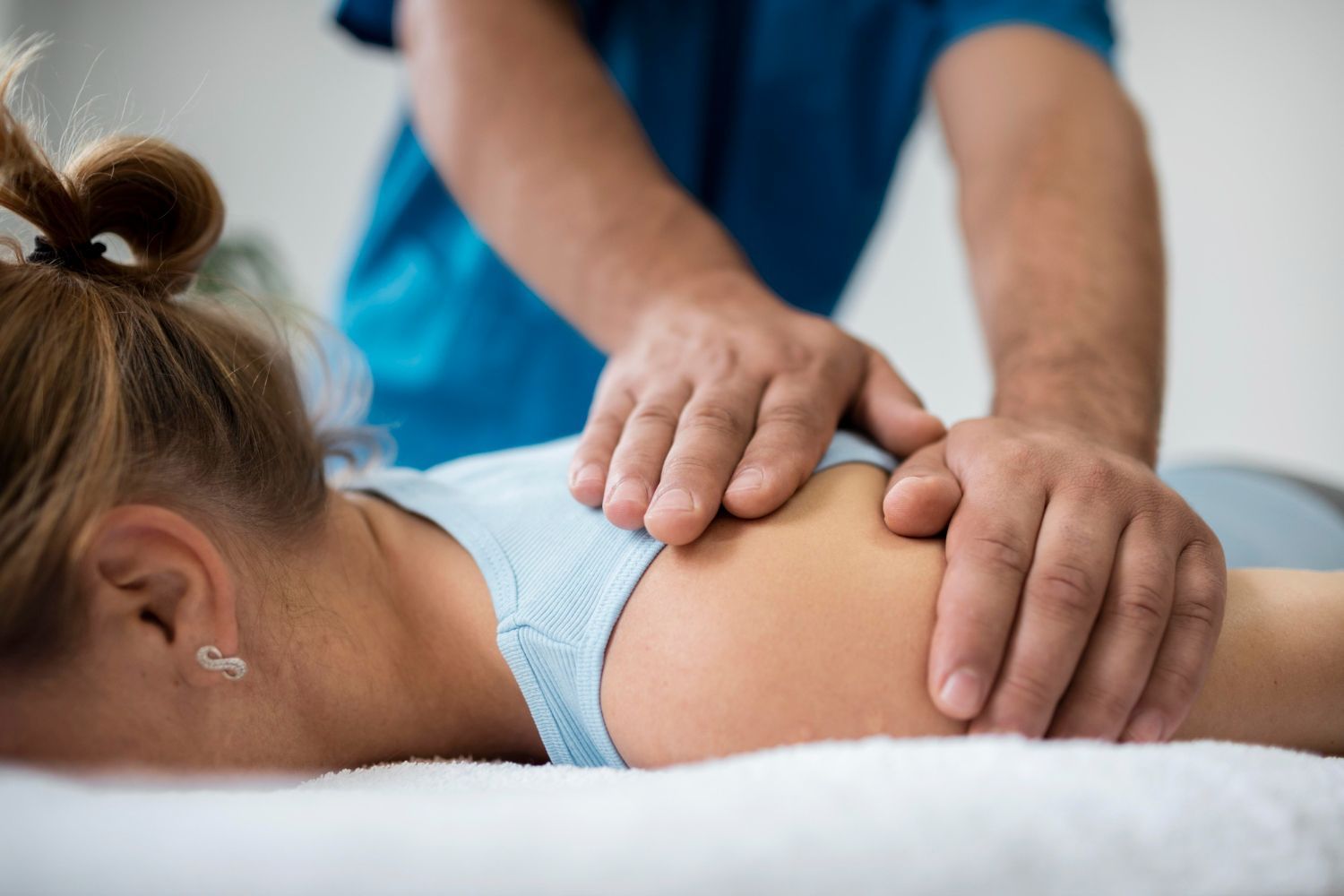
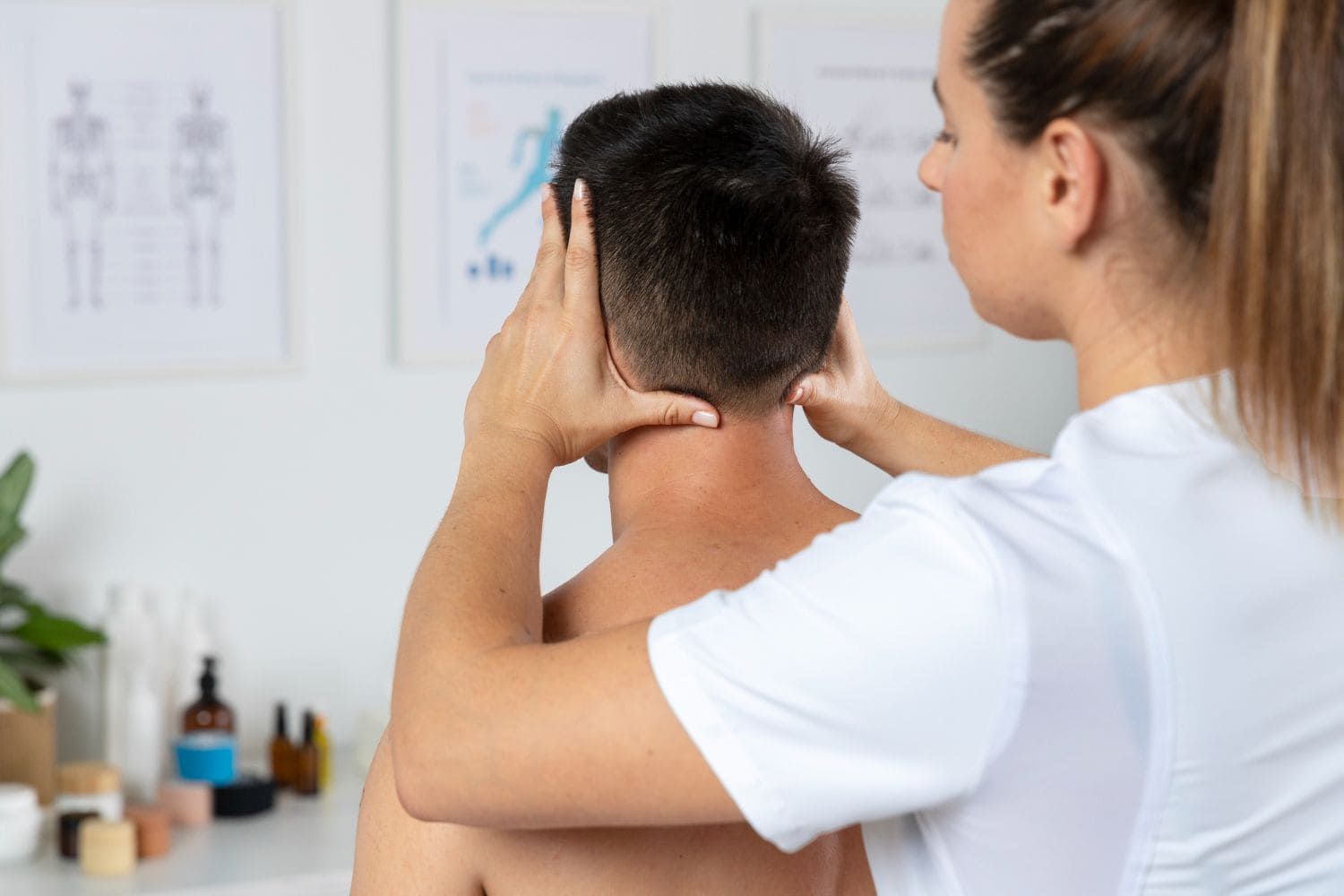
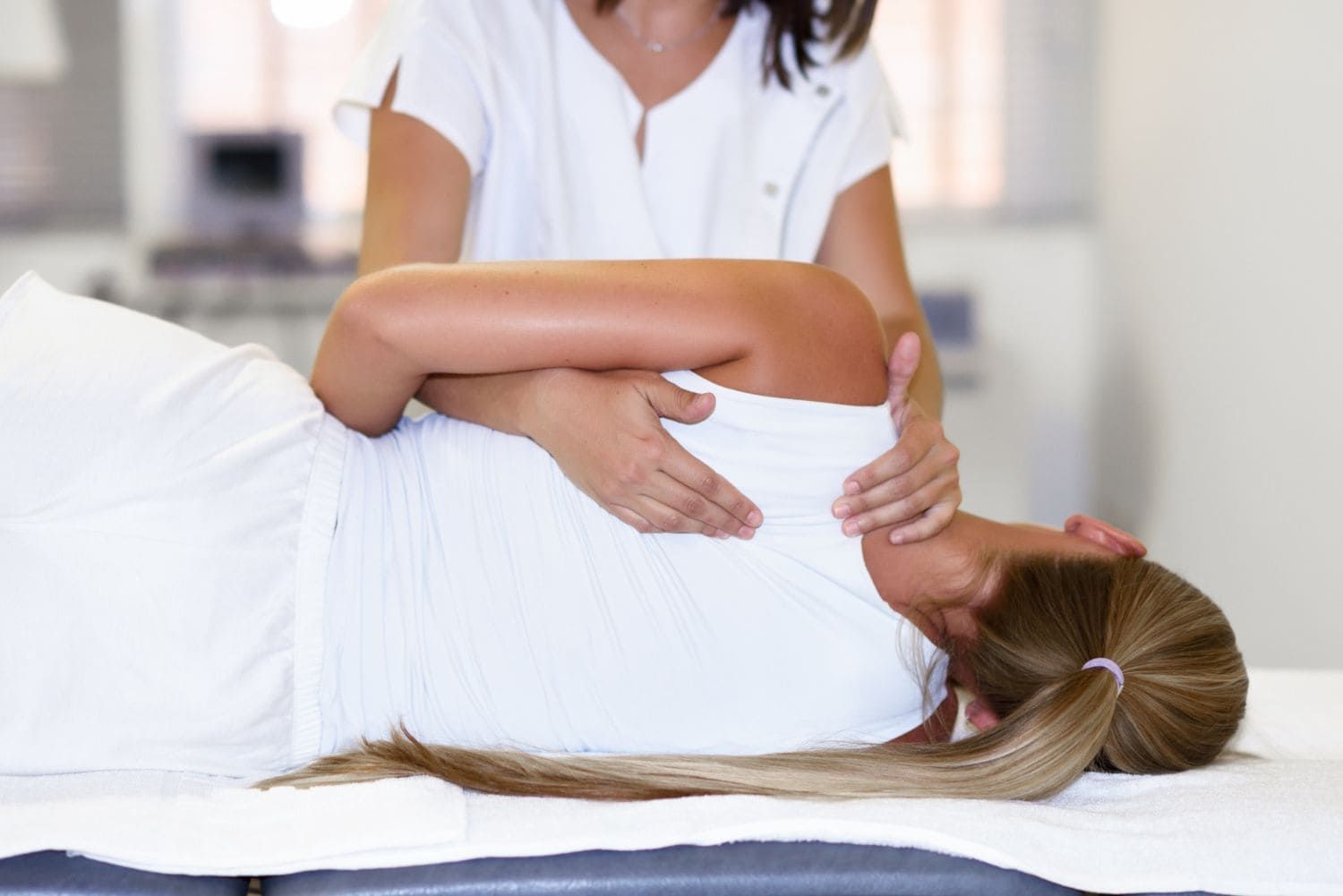
If you notice these signs, looking beyond just the pain can reveal more about your body’s movement. A hip pain chiropractor in Tampa can analyze how your joints and muscles are working together when you walk, sit, or squat. In our Lakeland and Tampa locations, that often means combining chiropractic care with physical rehab and hands-on manual therapy to support more comfortable hip motion. These patterns often explain why discomfort keeps coming back, especially when cold weather throws the body even further off balance.
Even if you don’t have an acute injury, persistent stiffness and subtle imbalances can interfere with your daily routine. That’s why a thorough movement evaluation can be beneficial for many people who experience recurring hip pain in the winter. It’s not always about pain severity, sometimes the inability to move freely is the clearer warning sign.
Give Your Hips a Better Start Before Spring
Winter doesn't have to be a rest-only season. Staying tuned into how your hips feel during December and January can help you avoid pain that holds you back once spring kicks in. A lot of the tension that builds now can still be changed before practices or outdoor routines begin picking up again.
When we focus on the way our bodies move rather than just where they hurt, we create space for better strength and balance. Making just a few small changes before winter ends can improve how you walk, stretch, and sit, turning stiff hips into more comfortable, steady movement as Lakeland warms back up.
It can be helpful to pay close attention to how your body feels in the evenings or after long periods of inactivity. When you catch early signs of increased tightness, gentle stretching or movement breaks can keep minor discomforts from becoming significant problems. Over time, these habits help ensure that your hips are ready for more active routines when the weather warms.
Tight hips and persistent stiffness this winter may signal that your body's movement needs a closer look. Many Lakeland patients tell us they didn't realize how cold weather could affect their joints until discomfort grew too strong. We can help spot small patterns that lead to bigger issues over time. For a
hip pain chiropractor in Tampa to guide your next steps, call Essential ChiroCare to schedule a visit.