

4 Signs Your Post-Accident Soreness is More Serious Than You Think

Dr. Tan Tran, DC • February 2, 2023

A car accident can leave you feeling not only mentally shaken but physically shaken too. It’s very common to experience soreness after your car accident. Most of the time it’s nothing a little rest can’t heal, but that’s not the case for everyone. Sometimes soreness can be a sign of something else. We’re here to help you tell the difference. Here’s how you can identify your post-accident soreness as something more serious, so you can get the care you need.

1. It Gets Worse Instead of Better

A car accident can be a traumatic event. It’s a natural response for your body to react with adrenaline to keep you alert and moving forward. However, this response may also mask signs of pain. Your post-accident soreness may not present itself until hours or even days after the crash. Though, as you recover, the pain should gradually fade with proper rest and treatment. During this time, listen to your body. If your post-accident soreness gets worse instead of better, talk with your medical provider.

2. Limited Mobility

Another sign that your post-accident soreness is serious is if you’re also experiencing limited mobility in your neck, arms, shoulders, or back. If you’re experiencing limited mobility in your neck after a crash, you’re not the only one. Whiplash is one of the most common causes of post-accident soreness, and it can often cause a stiff neck. Other common whiplash symptoms include neck, shoulder, or back pain; headaches; limited range of movement in the neck, arms, or shoulders; or ringing in the ears.

Other common injuries associated with post-accident soreness and limited mobility are herniated discs, torn rotator cuffs, and other strains or sprains in the back. We recommend you contact your doctor if you’re experiencing back or shoulder pain as well so you can prevent further injury and start on the road to recovery.

3. Head Injury

Post-accident soreness is often mild on its own, but when combined with a head injury, it can be worth looking into. Some common head injuries include a concussion, cuts and scrapes, and skull fractures. If your post-accident soreness is accompanied with frequent headaches, changes in vision, or drowsiness, it’s best to be cautious and visit a medical professional. Even if it’s only a headache, put your health first and get treatment to prevent any possible impacts on your health later.

4. Accompanied With Bruises on the Abdomen

While a seatbelt is designed to keep you safe, it still might cause injury. In high-speed crashes or more severe crashes, it’s common to experience bruises in the pattern of a seat belt. This injury is known as seat belt sign or seat belt syndrome, depending on the severity of the bruising. Here is how you can tell the difference between the two:
A
Seat Belt Sign:
A seat belt sign includes bruising across the chest and abdomen where the seatbelt was pressed into the body. In severe cases, seat belt sign could include internal injuries to the heart or lungs.
A
Seat Belt Syndrome:
Seat belt syndrome is similar to seat belt signs. It also includes bruising across the chest and abdomen, but with the addition of possible injury to the spine and abdominal organs.
If your post-accident soreness is accompanied with bruises on the abdomen, you should visit your medical professional. Though seat belt sign and syndrome may sound scary, don’t let them discourage you from wearing a seatbelt. The possibility of a seat belt sign or syndrome far outweighs the possibility of more severe injuries.

When in Doubt, See a Doctor

After a car accident, it’s common to experience post-accident soreness whether it is mild or not. Whether it’s serious or not depends on you and your symptoms. Everyone is unique. Your age, physique, and the severity of your crash all determine how sore you can be. To know the severity of your injuries and when you should expect to heal, you should visit your medical provider. They will advise you on the best aftercare to get you back on your feet.

Treatment for your post-accident soreness may include:

A
Alternating hot and cold packs
A
Over-the-counter or prescribed pain medication
A
Plenty of rest
A
Light exercise or stretches
Your doctor may also recommend other methods like physical therapy or chiropractic care for long-term pain management and prevention. Every recovery varies for each person and each injury. You could heal within the next week or the next year, but the important thing is that you rest and focus on regaining your strength.

Minimize and Manage Your Pain

Post-accident soreness can make you pause your life, but it doesn’t have to stop it completely. A chiropractor can help you address your pain and move forward. At Essential Chirocare, we offer chiropractic care to minimize and manage your post-accident pain so you can regain control of your life. Contact us to learn more about what we can do for you. Together, we’ll put you on the right path towards recovery.
degenerative disc disease exercises
By Essential ChiroCare Blogger • October 16, 2026
Begin a safety first home program for degenerative disc disease: six low-risk exercises, McKenzie extension cues to watch for centralization, and clear...

postpartum back pain exercises
By Essential ChiroCare Blogger • October 15, 2026
Breath first, diastasis safe exercises and simple daily ergonomics to ease postpartum low back pain. Start with 10 minutes of gentle core and glute work.
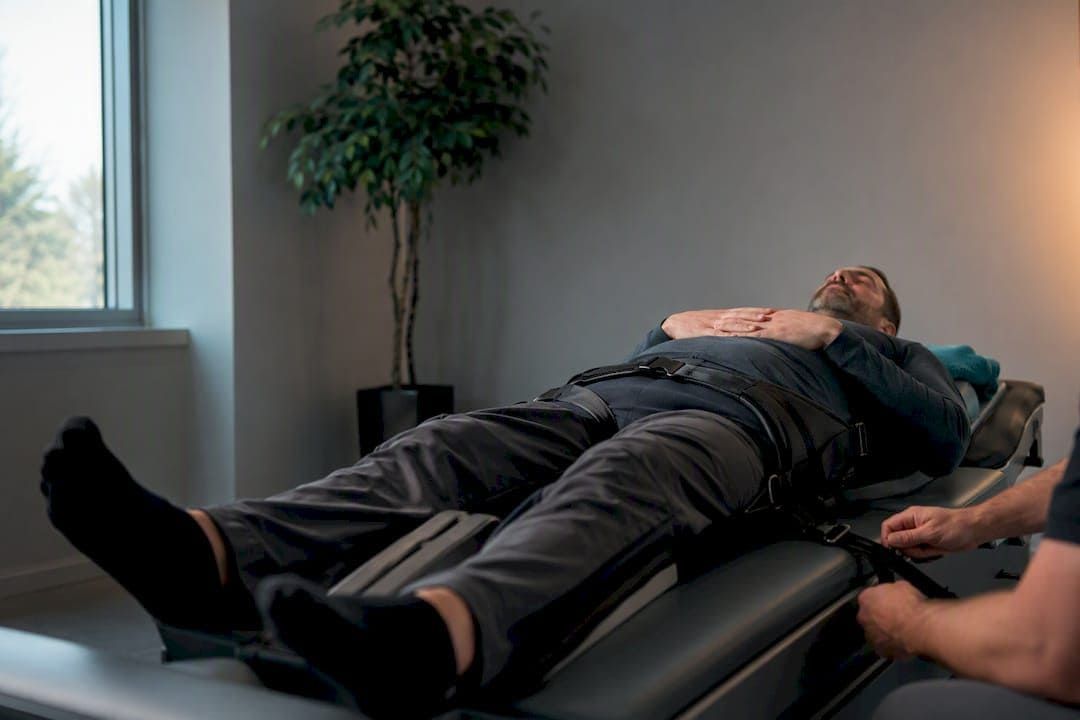
how much does spinal decompression cost
By Essential ChiroCare Blogger • October 14, 2026
Typical U.S. prices run $30–$250 per session or $500–$7,500 per course. See insurer realities, clinic transparency tips, and four practical ways to lower...

chin tuck exercise benefits
By Essential ChiroCare Blogger • October 13, 2026
Clinician backed chin tuck primer: precise step-by-step technique, randomized trial evidence they outperformed stretching, and when to seek clinical care....

neck pain after sleeping
By Essential ChiroCare Blogger • October 12, 2026
Fix morning neck pain tonight with three simple changes: swap the pillow, change sleep position, and do gentle morning movements. Learn red flags and when...

back pain chiropractor Tampa
By Essential ChiroCare Blogger • October 11, 2026
Lingering back pain can disrupt work and sleep. Learn when self-care may help and when to see a chiropractor in Tampa for personalized relief.

personalized chiropractic care Tampa
By Essential ChiroCare Blogger • October 10, 2026
Learn what sets the best chiropractor in Tampa apart, from personalized care and injury recovery to rehabilitation and wellness-focused treatment plans.

runner’s knee exercises
By Essential ChiroCare Blogger • October 9, 2026
Evidence backed exercises to ease runner's knee. Start a symptom guided 4–6 week plan with clinician recommended 3 sets of 30+ reps and clear movement red...

car accident chiropractor Tampa
By Essential ChiroCare Blogger • October 8, 2026
Learn what happens during a visit with a car accident chiropractor in Tampa, from initial evaluation and adjustments to a personalized recovery plan.
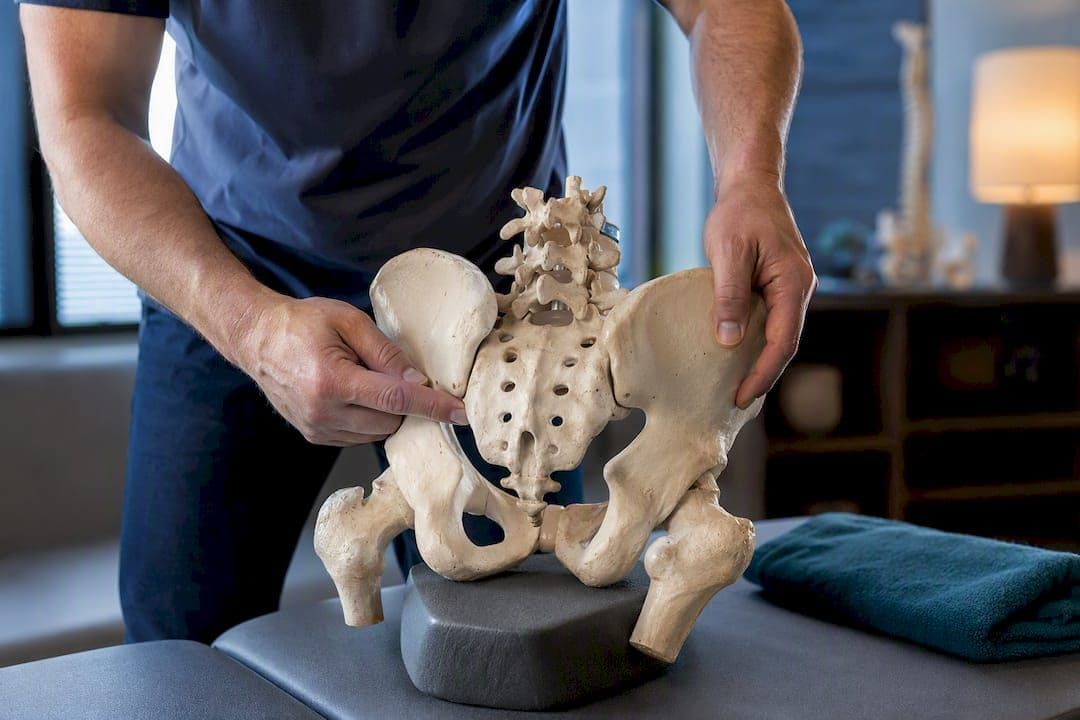
sacroiliac joint dysfunction chiropractic
By Essential ChiroCare Blogger • October 7, 2026
Understand when chiropractic helps sacroiliac joint pain, with clinic-backed evidence: the 3+ provocation-test threshold, tailored adjustments, and home...
Show More