
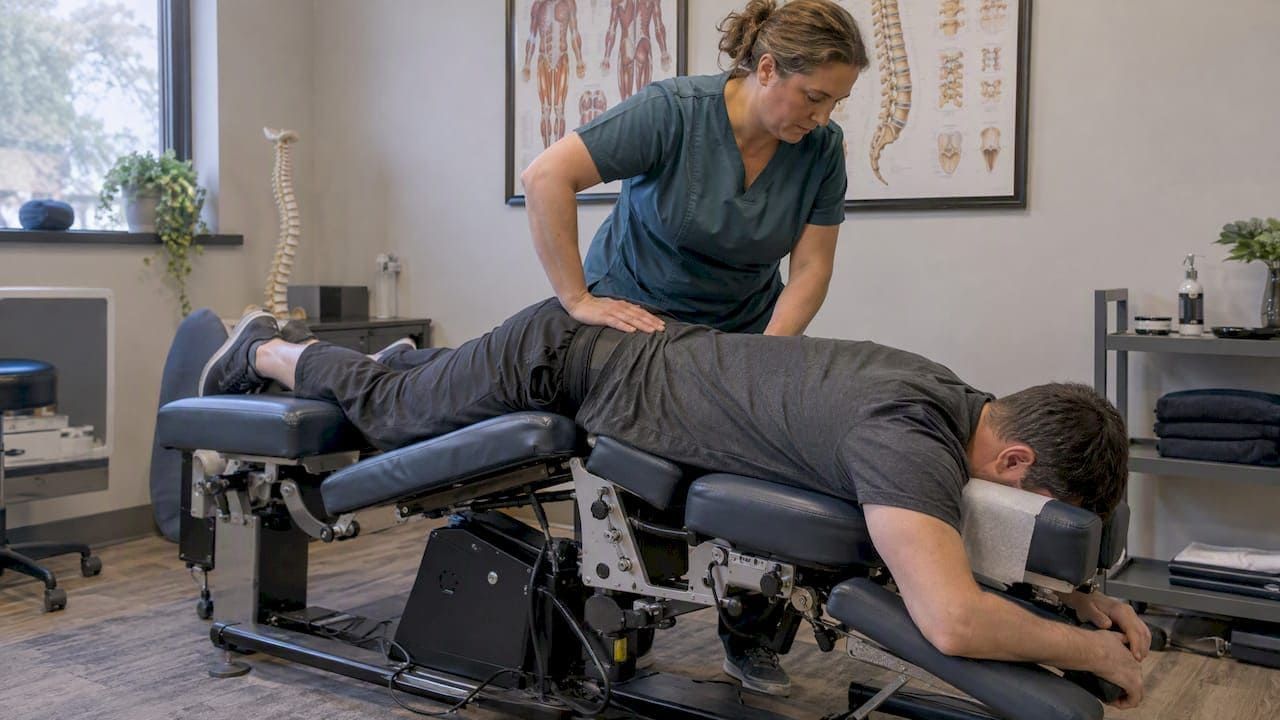
Why Neck and Shoulder Injuries are Common After Even the Smallest Car Accident.

Dr. Tan Tran, DC • December 23, 2022

When combining heavy metal and machinery with speed, it can severely damage your body. Though your car is designed to protect you, it can’t shield you entirely from all injuries, especially vulnerable areas like the neck and should.

What Causes Neck and Shoulder Injuries in Car Accidents?

Most people that have been in a car accident suffer from a neck or shoulder injury as a result. The reason neck and shoulder injuries are so common in car accidents are because of the force involved in a car crash. The average car weighs over two tons. When you combine that weight with speed, even slower speeds, it can generate force that your neck and shoulders can’t bear.

Your car is taking the brunt of the impact, but the inertia and impact can still cause your neck and shoulders to move rapidly back and forth. Additionally, your seat belt protects you by keeping you in your seat, but it also works against you as it acts as an active restraint for your neck and shoulders. These motions can dislocate bones in the spine and the disks between the bones. The impact can also damage bones, muscles, ligaments, nerves, and tissues.

Common Neck and Shoulder Injuries

If you’ve been in a car accident, it’s likely you’ll sustain a neck or shoulder injury, even if it’s mild. To prepare for and treat possible injuries, here are a few common neck and shoulder injuries that could happen in a car accident.

1. Whiplash

Whiplash is one of the most common neck and shoulder injuries from a car accident, if not the most common. Whiplash happens when your neck jerks rapidly forward and back, damaging the soft tissue. Symptoms can include neck pain, shoulder pain, limited range of motion, or tingling in your arms. Sometimes whiplash might not show its symptoms right away because of the shock and adrenaline. When they do, seek medical attention. Without proper treatment, you can risk developing chronic pain in your neck, chronic headaches, and even tinnitus.

2.Neck or Clavicle Fractures

If you have severe pain in your neck or shoulders, it’s possible that you could have a fracture in the neck or clavicle. These can be very dangerous and severely limiting if not treated right away. You will be put into a neck brace or sling and your injuries might require surgery.

3.Torn Rotator Cuff

When your shoulders absorb the impact of the car accident, it can commonly lead to a torn rotator cuff. This happens when you tense up or sustain trauma to the shoulder. Symptoms of a torn rotator cuff include intense shoulder pain, limited movement, inability to raise your arm, and shoulder weakness. It’s important to have the extent of your injury diagnosed as large tears may need surgery.

4. Other Sprains and Strains

Neck and shoulder injuries, like whiplash, are often sprains or strains, especially in car accidents. A sprain or strain can happen to any ligament, muscle, or tendon that is impacted, twisted, or overextended. The strain on these soft tissues can stretch or even tear them. Symptoms can include pain, muscle weakness, muscle spasms, swelling, or difficulty flexing. Sprains or strains to the neck and shoulders can impede motion and take weeks to heal.

Accidents That Cause Neck and Shoulder Injuries

Every car accident is likely to cause neck and shoulder injuries, but some are more likely than others. Fender benders or rear-end collisions are the most common because of the direction and sudden stop of the force. Other common crashes include:
9
High-Speed Crashes
9
Rollovers
9
Side-Impact
9
Multi-Car Pile Ups

These crashes are the reason why it’s so important to have cars that have crumple zones. Crumpling allows the force of motion to flow through instead of having a short, brutal stop. The steel frame is designed to take the blow of the crash and protect the passengers. While you may still sustain injuries, they are less likely to be severe or fatal when compared to cars without crumple zones.

Treatments for Neck and Shoulder Injuries

Always seek medical care after your car accident, even if it’s a small crash and even if your pain is mild. Seeking treatment after your accident can prevent your injuries from becoming worse and your pain from becoming chronic. Your healthcare provider may recommend any of the following treatments depending on the extent of your neck and shoulder injuries:
9
Rest
9
Avoiding strenuous activity
9
Alternating hot and cold compresses
9
Over-the-counter or prescribed medication
9
Slings or neck braces
9
Light exercises or stretches
For further care or follow-up care, your healthcare provider may also recommend CT scans or MRIs. If your pain is chronic you may also need to seek physical therapy or chiropractic care.

Move Forward

If you have neck and shoulder injuries after your car accident, you may need to seek alternate methods of treatment to help manage or eliminate the pain. At Essential Chirocare, our chiropractic and physical therapy techniques target the root cause of your pain and treat it so you can move forward with your life. To take your next step to a pain-free life, contact us at Essential Chirocare for your complimentary consultation.

Sacramento chiropractic flexion distraction
By Essential ChiroCare Blogger • November 13, 2026
Learn how Sacramento chiropractors use flexion distraction, what trials show for chronic low back pain and radiculopathy, and why force delivery matters.
chiropractic care for shoulder impingement
By Essential ChiroCare Blogger • November 12, 2026
Clinic-led, evidence-aligned guide to multimodal chiropractic care for shoulder impingement. Learn manual, thoracic, and soft-tissue techniques plus a...

chiropractic care for spinal stenosis
By Essential ChiroCare Blogger • November 11, 2026
Evidence based guide to multimodal chiropractic care for spinal stenosis. Learn how manual therapy plus exercise can ease pain and improve walking in...
chiropractic treatment for plantar fasciitis
By Essential ChiroCare Blogger • November 10, 2026
Evidence based chiropractic care for plantar fasciitis patients: guidelines, dry needling data, a 4–8 week clinic plan, and specific home exercises.
chiropractic treatment for spondylolisthesis
By Essential ChiroCare Blogger • November 9, 2026
Learn when chiropractic care is appropriate for low‑grade spondylolisthesis, which gentle techniques reduce pain, and which red flags need prompt surgical...

Shoulder pain chiropractor Tampa
By Essential ChiroCare Blogger • November 8, 2026
Learn how the best chiropractor in Tampa evaluates holiday shoulder pain, identifies likely causes, and creates a personalized plan for relief and mobility.

Chiropractic care after a car accident
By Essential ChiroCare Blogger • November 7, 2026
Learn which post-crash mistakes can slow healing and when to see a car accident chiropractor in Tampa for personalized care and support after a collision.
Chiropractic care for migraine relief
By Essential ChiroCare Blogger • November 6, 2026
Clinic authored, evidence informed guide to trying chiropractic for migraines safely: run a defined trial of several weeks, track migraine days, and...
Posterior canal BPPV treatment
By Essential ChiroCare Blogger • November 5, 2026
Evidence based guide to vertigo chiropractic treatment: maneuvers that work, tests that guide care, and safe options for limited neck mobility.
chiropractor for degenerative disc disease
By Essential ChiroCare Blogger • November 4, 2026
Evidence-forward, safety-first guidance on chiropractic care for degenerative disc disease. Read research takeaways, realistic expectations, and five...
Show More