

5 Reasons Why You Should Never Let Pain After an Accident Go Untreated

Dr. Tan Tran, DC • April 29, 2022
Pain after a car accident is something that should be taken seriously every time. That’s largely because pain virtually never exists in a vacuum; it’s always there to alert you that something else is wrong in your body. When left untreated, what could have been an easily treatable injury or easily managed pain can lead to life-long complications. Today, we’re exploring some of the most important reasons why you should always seek professional treatment for pain after a car accident. Let’s take a closer look.

1. Pain is Never Alone

It’s so important that we’ll say it again: pain is not something that appears randomly and without reason. Pain is one of the most effective responses that our bodies have to injuries and trauma; it exists to alert us that something is wrong and requires treatment. Ignoring pain is equivalent to ignoring someone’s cries for help; it’s a blatant sign that your attention is required.

Too often, patients and medical professionals alike treat pain as the end-all, be-all of your treatment. In reality, it’s just a starting point; it gives us clues about how to investigate and treat its underlying causes. Thinking about pain not just as an inconvenience or discomfort, but as a starting point for the necessary treatment of something bigger, is useful as you consider getting medical assistance for yours.

2. Mobility Limitations

Pain can cause limitations to your mobility in a few ways when left untreated. First, there’s the possibility that the underlying injuries that are causing your pain will worsen, leading to stiffness, numbness, and other symptoms that will greatly limit the way you are able to move. Secondly, if your pain flares up during certain activities, it’s possible that you will try to overcorrect this by limiting your movements. This can cause you to become more hesitant when making those movements later on (for example, if your right ankle is tender, chances are that you’ll walk with a limp and won’t do much running). Having (or not having) a full range of motion, even if it’s in a small area of the body, can seriously impact your quality of life. Be sure to seek help if you’ve been trying to counteract pain by changing up or limiting your movements.

3. Life-threatening Injuries

Injuries that are left untreated only become worse injuries, and this can happen with varying severity. Milder internal injuries that go untreated can lead to scar tissue or chronic pain, which will significantly impact your quality of life but are unlikely to threaten your life. More serious injuries–like internal bleeding, concussions, spinal injuries, and neck injuries–can lead to far more serious consequences, like paralysis or even death, if left unchecked. We don’t mean to be alarmist or frightening, but there is no over-stressing how important it is to address your pain alongside a medical professional. We are not exaggerating when we say that doing so can save your life.

4. More Expenses Down the Line

As much as many of us wish it were the case, we usually can’t wish or will serious injuries or pain away; professional attention is required in order to treat them responsibly and effectively. The longer an injury is left untreated, the more complications can arise. This means it will likely be a longer and more difficult road to treat that injury down the line, which will inevitably mean more expenses for you in terms of both money and time. Save yourself the headache (and the blow to your wallet) by being proactive about addressing those injuries.

5. Mental Health Struggles

Chronic pain, limited mobility, or life-long illness due to an accident can severely impact a person’s quality of life–and, as a result, their mental health. Depending on the severity of your injuries and intensity of your pain, this is something that can be avoided with quality medical care. Give yourself the best shot at a full and successful recovery by addressing the root cause of your pain early on.
If you are experiencing pain after an accident and want to make sure it gets treated as effectively as possible, we’re here to help. To learn more about how chiropractic care can be a life-changing solution to pain and injuries, check out our free eBook.
hip bursitis exercises
By Essential ChiroCare Blogger • November 20, 2026
Use hip bursitis exercises to build strength safely with an 8–12 week plan, manage load, and recognize when worsening pain needs clinical care.

glute activation routine
By Essential ChiroCare Blogger • November 19, 2026
Try a 6 to 8 minute glute activation warm up before runs or heavy lifts, using clinician cues and quick tests to check readiness without tiring your muscles.

cervical radiculopathy relief
By Essential ChiroCare Blogger • November 18, 2026
Get cervical radiculopathy relief with a staged home exercise plan, realistic recovery timing of 8 to 12 weeks, and clear signs to seek urgent care.
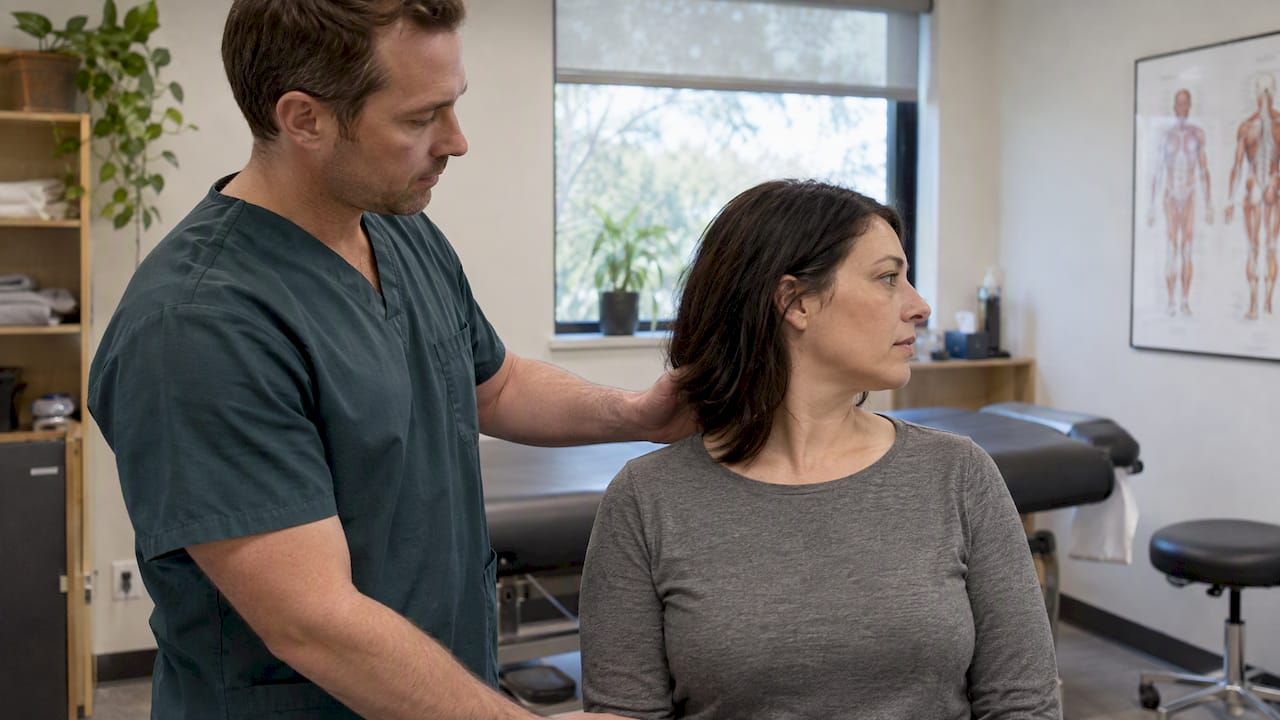
soft tissue injuries from car accidents
By Essential ChiroCare Blogger • November 17, 2026
Get a medical exam after a crash, track symptoms that may emerge hours or days later, and learn how first aid, chiropractic care, and rehab support recovery.
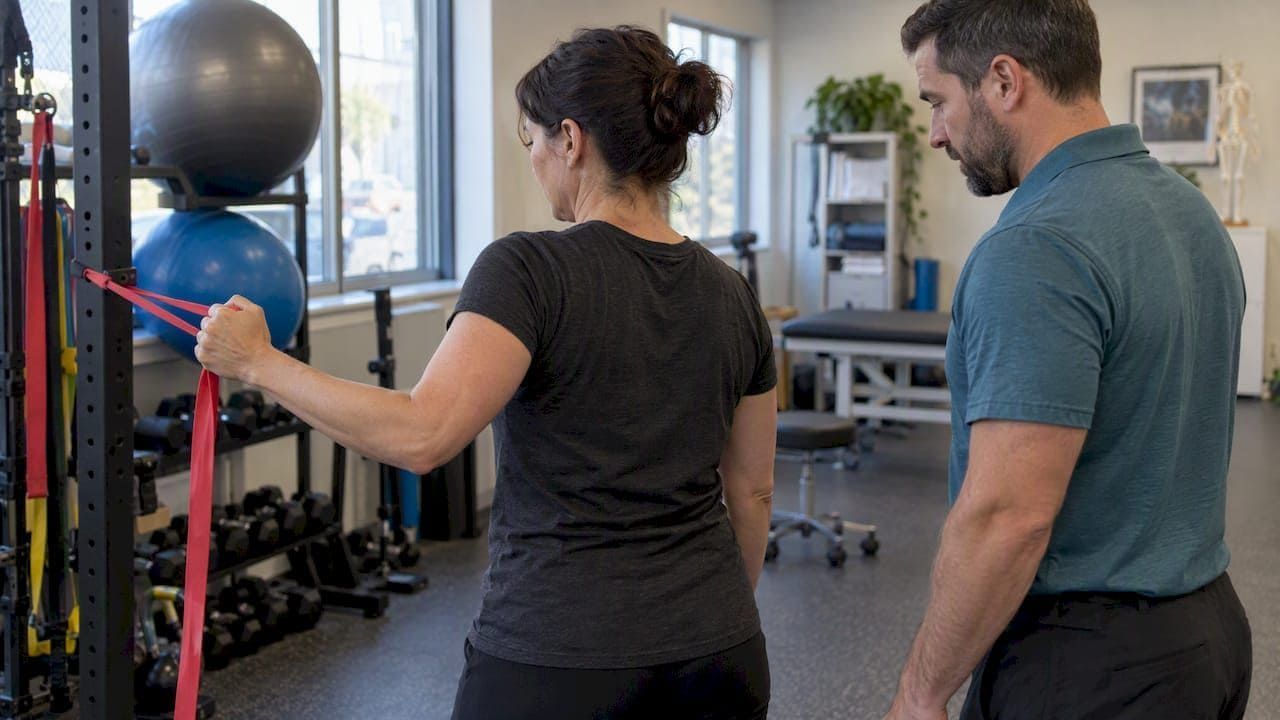
rotator cuff exercises for recovery
By Essential ChiroCare Blogger • November 16, 2026
Learn how chiropractic care pairs manual treatment with exercise for rotator cuff pain, what clinic rehab involves, and when surgery may be needed.

chiropractic care Tampa FL
By Essential ChiroCare Blogger • November 15, 2026
Get ahead of holiday stress with a chiropractor in Tampa for personalized pain relief, mobility support, injury recovery, and wellness care before Black Friday.

Car accident injury chiropractor near me
By Essential ChiroCare Blogger • November 14, 2026
See how a car accident chiropractor in Tampa documents injuries, supports your recovery, and helps provide records for your insurance claim process.
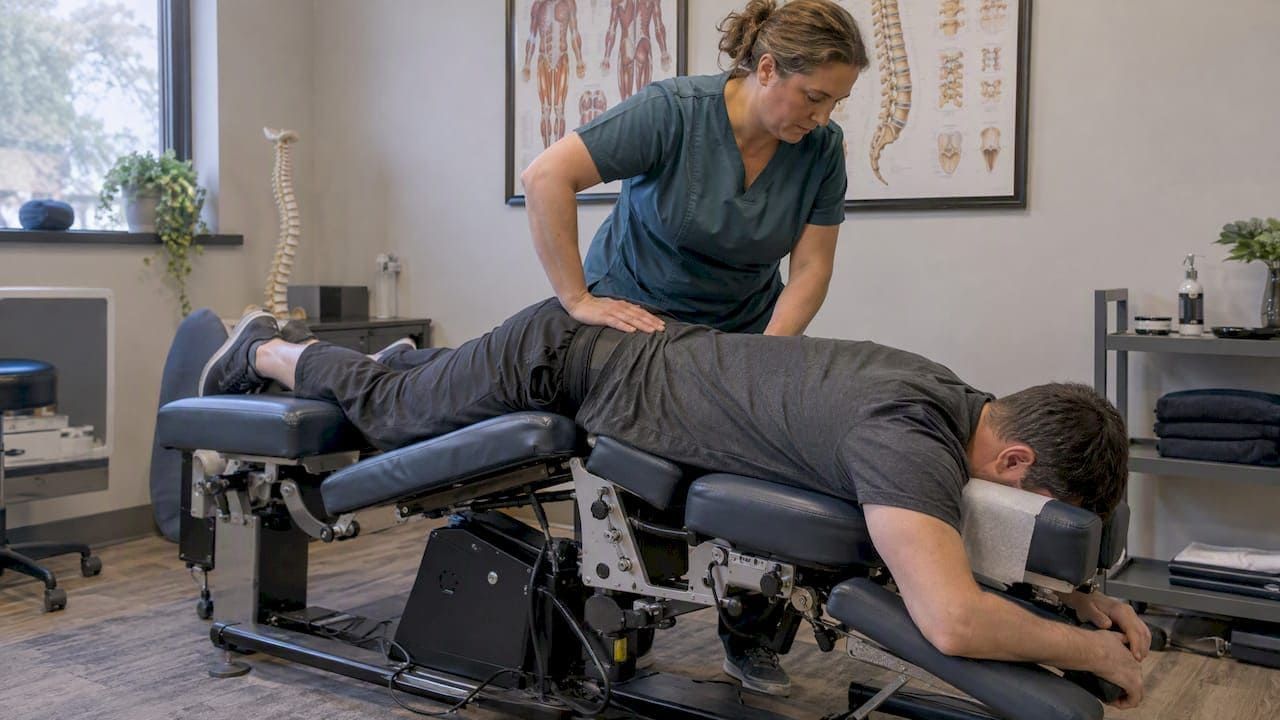
Sacramento chiropractic flexion distraction
By Essential ChiroCare Blogger • November 13, 2026
Learn how Sacramento chiropractors use flexion distraction, what trials show for chronic low back pain and radiculopathy, and why force delivery matters.
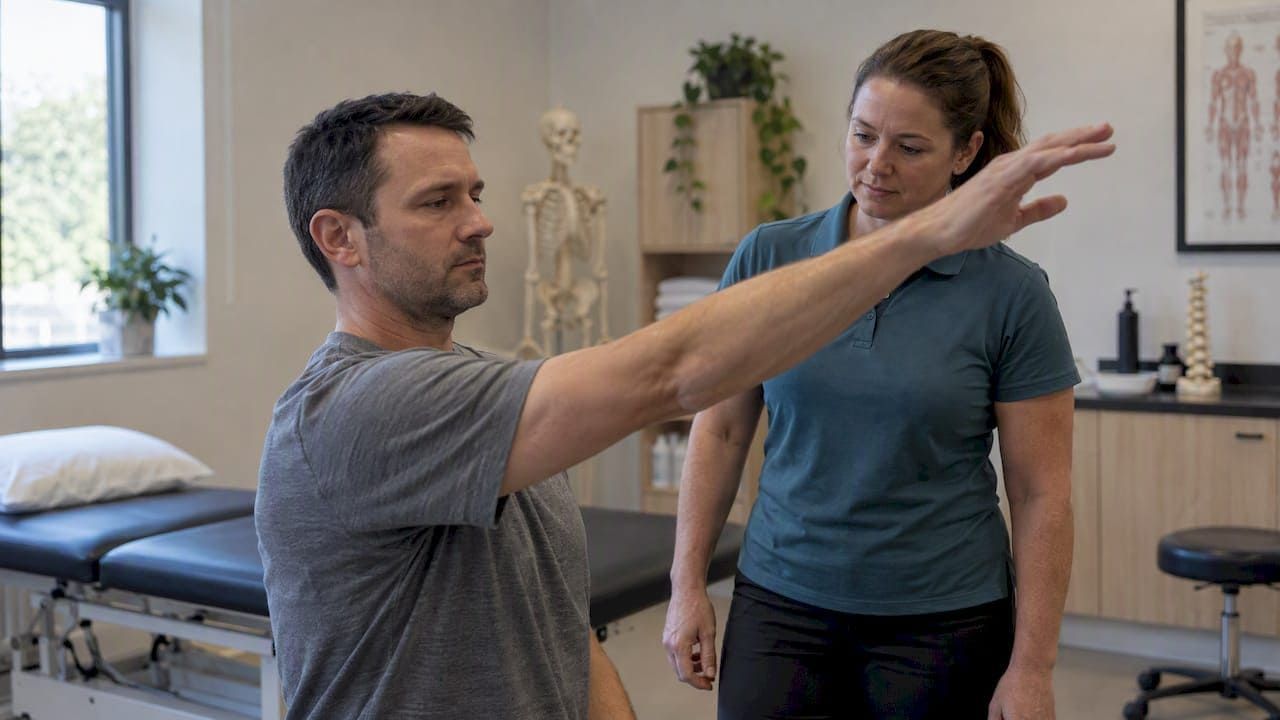
chiropractic care for shoulder impingement
By Essential ChiroCare Blogger • November 12, 2026
Clinic-led, evidence-aligned guide to multimodal chiropractic care for shoulder impingement. Learn manual, thoracic, and soft-tissue techniques plus a...

chiropractic care for spinal stenosis
By Essential ChiroCare Blogger • November 11, 2026
Evidence based guide to multimodal chiropractic care for spinal stenosis. Learn how manual therapy plus exercise can ease pain and improve walking in...
Show More