
Fender Benders Cause Injuries, Too. If You’re in Pain After a Fender Bender, it’s Worth Seeing a Professional. Here’s Why.

Dr. Tan Tran, DC • April 15, 2022
Fender benders are usually framed as nothing to worry too much about. Usually, they’re known to come with nothing more than a few unpleasant inconveniences: some paperwork, a few visits to the mechanic, and potentially a missed appointment or two. Though fender benders are certainly mild compared to the word case scenarios that unfortunately happen all too often on the road, they’re not something to dismiss right away. Pain after a fender bender isn’t just possible–it’s common, and it’s something that you should take seriously if you’re experiencing it. Today, we’re taking a closer look at why you might be in pain after a fender bender, as well as how to move forward if that’s the case.

The Truth About Accidents

Accidents, no matter how mild they may be, are a shock to our system. They usually involve–at the very least–some jolting and impact, not to mention mental stress and emotional distress. All of these factors combined can lead not only to pain, stiffness, and injury, but they can also delay your ability to actually feel the full extent of your injuries. If you were recently involved in a fender bender, it’s highly advisable that you go see a doctor even if you feel fine, just to rule out the possibility of under-the-radar issues.

Common Fender Bender Injuries

Fender benders rarely cause injuries that are immediately life-threatening, but they can often cause injuries or pains that have a notable impact on your quality of life. Some of the most common issues that drivers (and passengers) experience after involvement in a fender bender include:
  • Whiplash
  • Mild concussions
  • Cuts, scrapes, and bruising
  • Neck pain/stiffness
  • Back pain/stiffness
  • Recurrent or chronic pain

The above issues may not require you to be rushed to surgery, but they can seriously impact your mobility and lifestyle–especially if they go untreated. Not as commonly but still very possibly, fender benders can cause injuries that do require immediate attention and carry a higher risk, including:

  • Broken bones
  • Internal bleeding
  • Burns or deep cuts
  • Severe concussions

No matter your pain or discomfort level, absolutely see a medical professional if you experienced any of the symptoms or injuries outlined above.

How a Chiropractor Can Help

Chiropractors specialize in treating the neuromusculoskeletal system, which encompasses your bones, joints, muscles, nerves, and tendons. This makes chiropractors among the best go-to medical professionals to help with any degree of pain, stiffness, mobility limitations, or discomfort that you may be experiencing after a car accident–even if it was “just” a fender bender.

A quality chiropractor will work with you to address the root causes of your pain, coming up with a treatment plan that makes sense for your injury, physical goals, and lifestyle in order to get you back on track at a pace that works for you. If you’ve had any pain at all since your fender bender, don’t put off seeing a trusted chiropractor as soon as possible.

A good chiropractor can help you get pain relief and improve your mobility if you’re in pain after a fender bender. To learn more about how a chiropractor can help you address your injuries, check out this eBook.
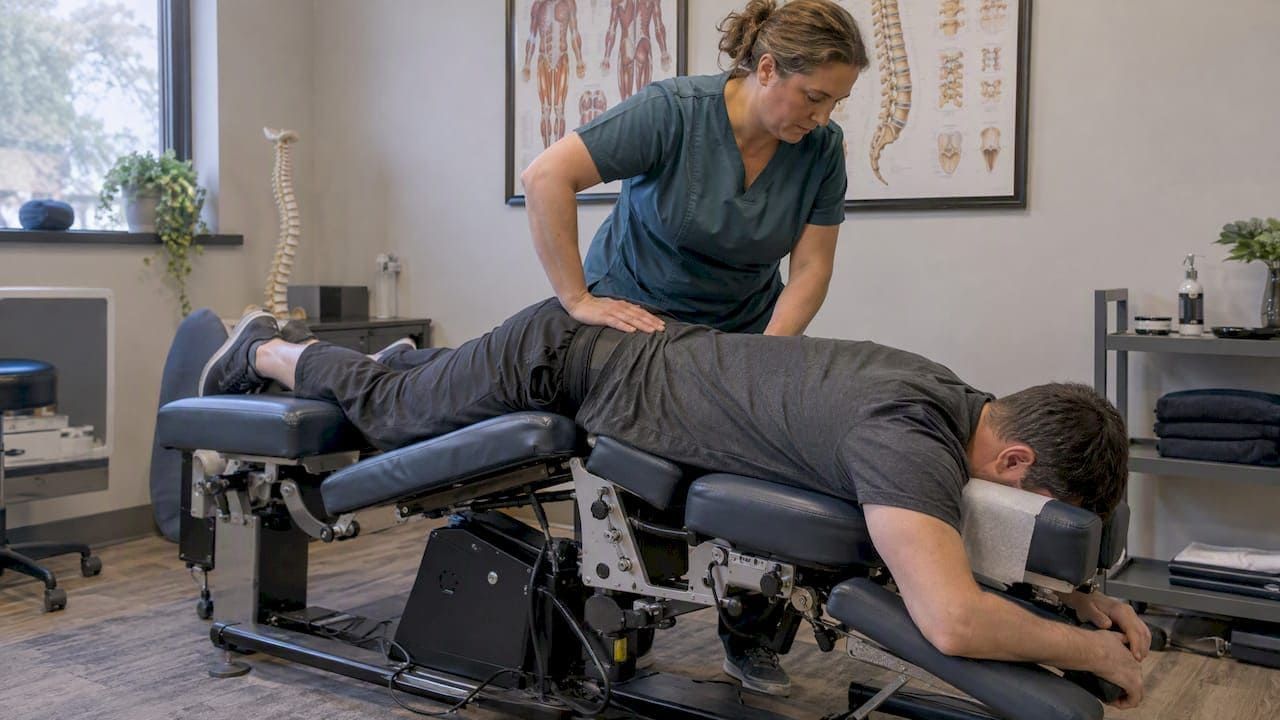
Sacramento chiropractic flexion distraction
By Essential ChiroCare Blogger • November 13, 2026
Learn how Sacramento chiropractors use flexion distraction, what trials show for chronic low back pain and radiculopathy, and why force delivery matters.
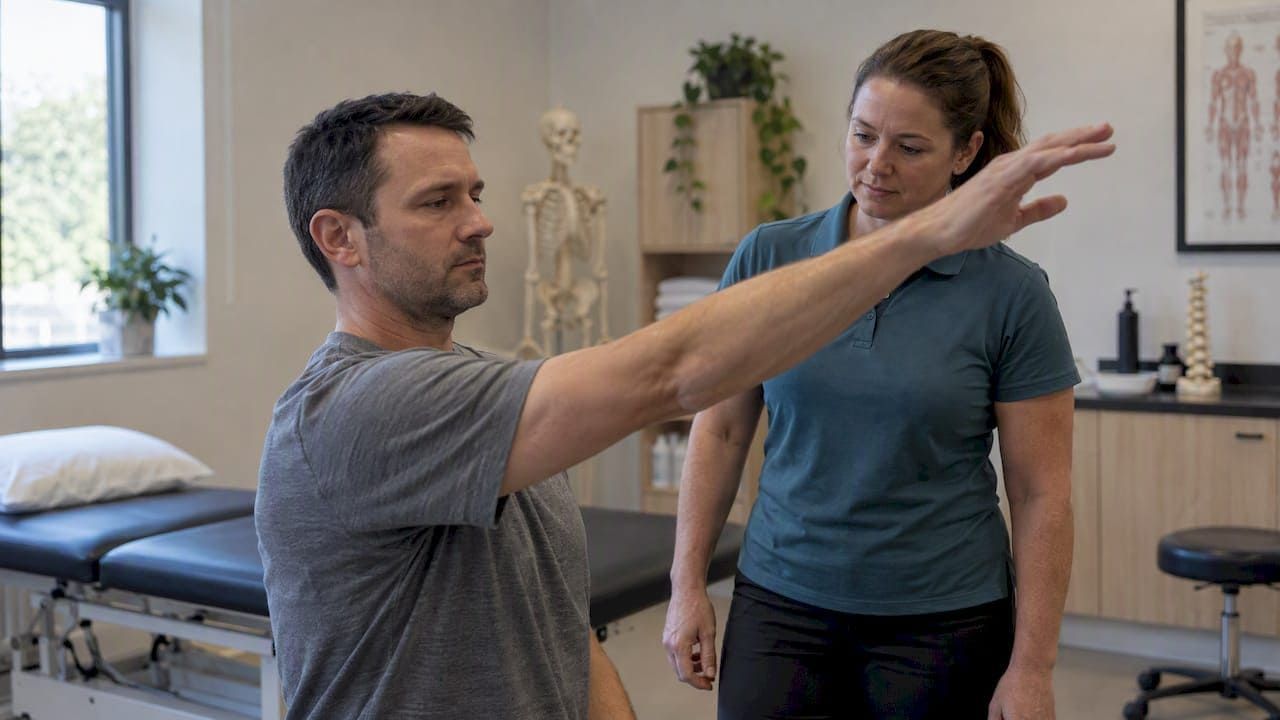
chiropractic care for shoulder impingement
By Essential ChiroCare Blogger • November 12, 2026
Clinic-led, evidence-aligned guide to multimodal chiropractic care for shoulder impingement. Learn manual, thoracic, and soft-tissue techniques plus a...

chiropractic care for spinal stenosis
By Essential ChiroCare Blogger • November 11, 2026
Evidence based guide to multimodal chiropractic care for spinal stenosis. Learn how manual therapy plus exercise can ease pain and improve walking in...
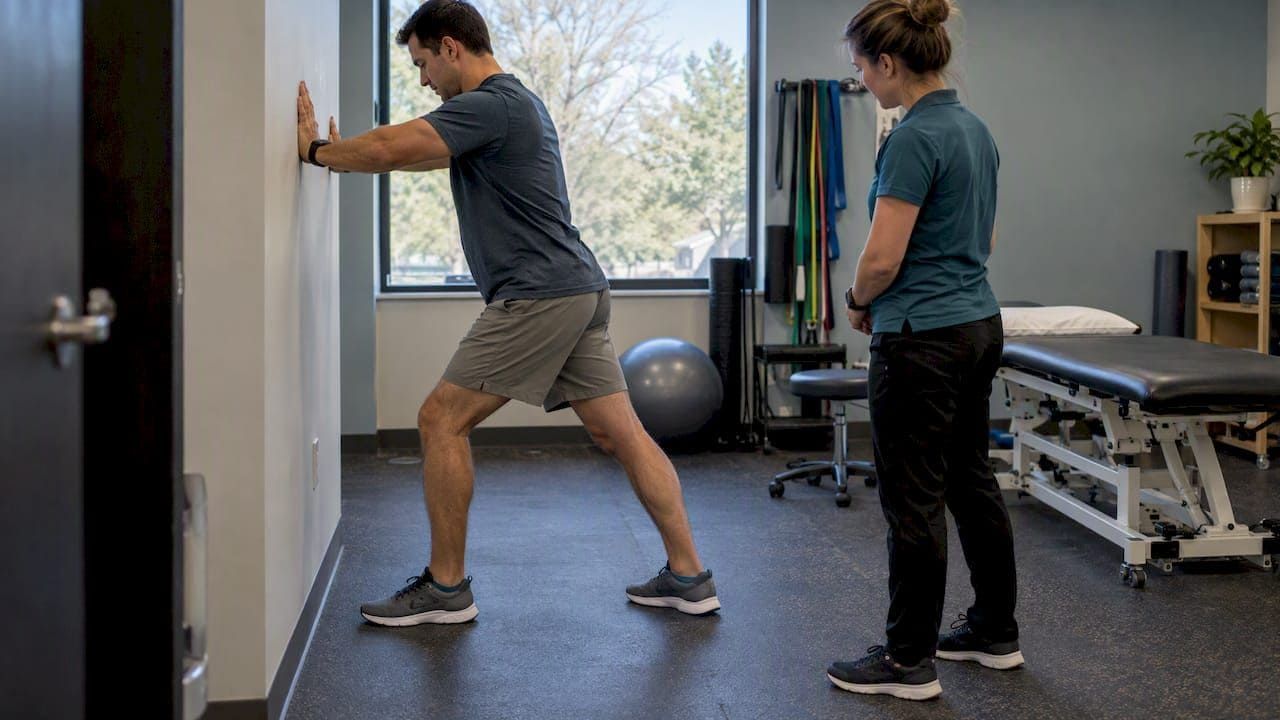
chiropractic treatment for plantar fasciitis
By Essential ChiroCare Blogger • November 10, 2026
Evidence based chiropractic care for plantar fasciitis patients: guidelines, dry needling data, a 4–8 week clinic plan, and specific home exercises.
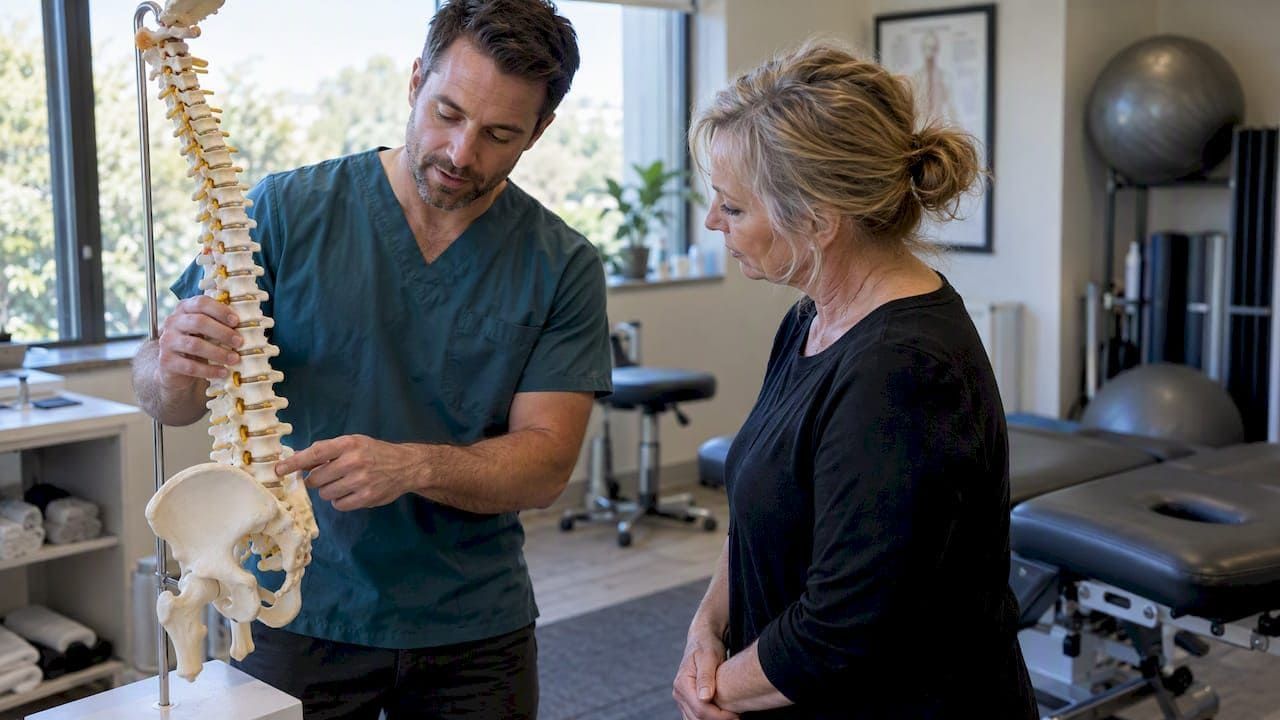
chiropractic treatment for spondylolisthesis
By Essential ChiroCare Blogger • November 9, 2026
Learn when chiropractic care is appropriate for low‑grade spondylolisthesis, which gentle techniques reduce pain, and which red flags need prompt surgical...

Shoulder pain chiropractor Tampa
By Essential ChiroCare Blogger • November 8, 2026
Learn how the best chiropractor in Tampa evaluates holiday shoulder pain, identifies likely causes, and creates a personalized plan for relief and mobility.

Chiropractic care after a car accident
By Essential ChiroCare Blogger • November 7, 2026
Learn which post-crash mistakes can slow healing and when to see a car accident chiropractor in Tampa for personalized care and support after a collision.
Chiropractic care for migraine relief
By Essential ChiroCare Blogger • November 6, 2026
Clinic authored, evidence informed guide to trying chiropractic for migraines safely: run a defined trial of several weeks, track migraine days, and...
Posterior canal BPPV treatment
By Essential ChiroCare Blogger • November 5, 2026
Evidence based guide to vertigo chiropractic treatment: maneuvers that work, tests that guide care, and safe options for limited neck mobility.
chiropractor for degenerative disc disease
By Essential ChiroCare Blogger • November 4, 2026
Evidence-forward, safety-first guidance on chiropractic care for degenerative disc disease. Read research takeaways, realistic expectations, and five...
Show More