

Debunking Pain Relief Misconceptions for Better Results

Essential ChiroCare Blogger • April 14, 2026

Debunking Pain Relief Misconceptions for Better Results

TL;DR:

  • Common pain relief myths include reliance on pills and dismissing invisible pain.
  • Long-term pain management benefits from multidisciplinary, holistic approaches addressing mental health.
  • Florida's regulations support coordinated care combining medical, chiropractic, and behavioral treatments.

If you've ever followed common pain relief advice and still ended up hurting, you're not alone. Millions of adults in West Central Florida are working with outdated information, neighborhood myths, and well-meaning but incorrect guidance that delays real recovery. Pain relief is not one-size-fits-all, and what worked for your neighbor may actually make your condition worse. The gap between what people believe about pain treatment and what the evidence actually supports is wide enough to cost you months of unnecessary suffering. This article breaks down the most common misconceptions, compares your real options, and gives you a clearer path forward.

pain management misconceptions

Table of Contents

Key Takeaways

Point Details
Many pain relief beliefs are outdated Relying on myths can prevent you from getting the safest, most effective treatment.
Treatment must match pain type Acute and chronic pain require different strategies—one-size-fits-all solutions don't work.
Florida laws affect pain options State regulations and new care models impact which treatments you're offered.
Whole-person care works best Combining physical, mental, and alternative therapies leads to better pain relief outcomes.

Common myths about pain relief: What most get wrong

Most people form their beliefs about pain relief from a mix of family advice, social media, and old prescriptions. The problem is that pain science has changed dramatically, and many of those beliefs are now known to be flat-out wrong. Let's clear the air.

Myth 1: Pain pills are always the answer. This is the most persistent one. Pills can absolutely reduce pain in the short term, but they don't fix the underlying cause. Reaching for medication every time you feel discomfort can mask signals your body needs you to hear. Worse, dependency can develop faster than most people expect.

Myth 2: If pain is invisible, it's not serious. Many conditions, including nerve pain, fibromyalgia, and disc problems, don't show up on a basic X-ray. That doesn't mean they aren't real or damaging. Dismissing invisible pain is one of the most harmful things a person can do to their long-term health.

Myth 3: You just have to live with it. This one keeps people stuck. If one treatment hasn't worked, that doesn't mean all treatments have failed. It often means the wrong tool was used for the problem. Holistic pain relief approaches address root causes rather than just symptoms, which changes outcomes significantly.

Myth 4: All pain providers offer the same options. They don't. Florida regulates pain clinics strictly , requiring physicians to complete special training before they can legally prescribe controlled substances. Not every clinic you walk into has that clearance.

Here's what the research also shows about the mental side of pain:

"Chronic pain is closely linked to unmet mental health needs , and it often goes undertreated in people who need both physical and psychological support."

The mental health connection is not a sign of weakness. It's biology. Pain signals and emotional distress share overlapping pathways in the brain, which means untreated anxiety or depression can literally amplify how much pain you feel. Exploring pain management options that include mental health support is not optional for many chronic pain sufferers. It's essential.

Fast fixes vs. long-term solutions: Comparing pain relief options

Once you understand what's myth and what's real, the next step is knowing which tools actually fit your situation. Not every pain episode needs the same response.

For acute pain (sudden, short-term injury), fast-acting options make sense. Pills act quickly for acute pain relief , while patches offer a steadier but slower release, each carrying their own risks including GI upset and skin irritation. For a sprained ankle or post-surgery discomfort, short-term medication can be appropriate. The danger comes when those short-term habits carry over into managing chronic pain.

For chronic pain (lasting three months or more), the calculus changes entirely. Long-term medication use carries dependency risks, side effects, and often diminishing returns. Evidence-based alternatives like chiropractic treatments and physical rehabilitation address the structural and neurological causes of pain rather than just quieting the signal.

Approach Best for Onset Risk level Long-term use
Oral pain medication Acute, short-term Fast (30-60 min) Moderate to high Not recommended
Topical patches Localized chronic pain Slower (hours) Lower Possible with monitoring
Chiropractic care Spine, joint, nerve pain Gradual Very low Highly recommended
Physical therapy Post-injury, chronic pain Gradual Very low Highly recommended
Manual therapy Muscle tension, mobility Moderate Very low Recommended

Understanding chiropractic techniques can help you ask better questions at your next appointment and avoid defaulting to medication out of habit.

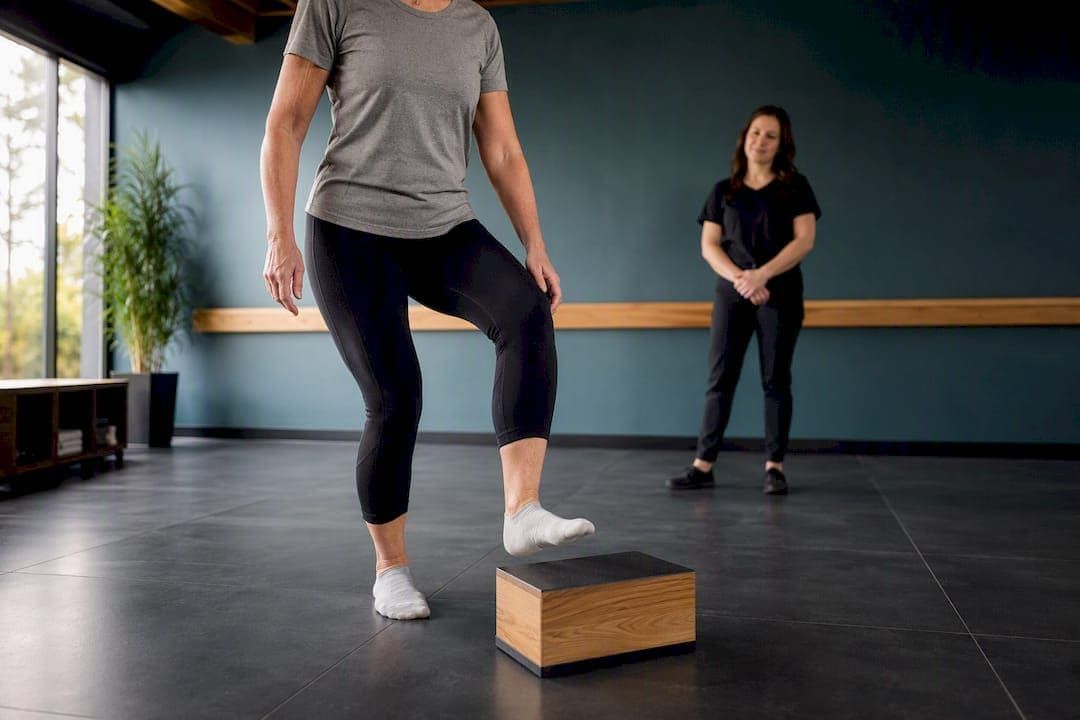
Some pain simply does not require medication at all. Muscle tension headaches, minor joint stiffness, and early-stage sciatica often respond well to movement, manual care, and targeted exercise before any pill is needed.

Pro Tip: Keep a pain diary for two weeks. Note the time of day, intensity on a scale of 1 to 10, what you were doing, and what helped. Patterns emerge quickly, and this data gives your provider something concrete to work with instead of guessing.

The Florida advantage: Multidisciplinary care and new guidelines

West Central Florida is not just any market for pain care. The state has some of the most specific regulations in the country, and understanding them helps you make smarter choices about where you go for help.

Florida's pain clinic regulations require that physicians complete specialized training before prescribing controlled substances for pain. This means the clinic down the street may not legally be able to offer the same treatments as a fully licensed pain management facility. Checking credentials before you commit to a provider is not paranoia. It's smart consumer behavior.

Here's a simplified look at who can offer what in Florida:

Provider type Can prescribe controlled substances Can offer manual therapy Can provide rehab services
Licensed pain management physician Yes, with special training No Sometimes
Chiropractor No Yes Yes
Physical therapist No Yes Yes
Interdisciplinary pain clinic Yes (team-based) Yes Yes

The shift toward interdisciplinary care is not just a trend. Interdisciplinary pain management has been shown to reduce opioid use and lower healthcare costs in Florida state health plans, making it both a clinical and financial win.

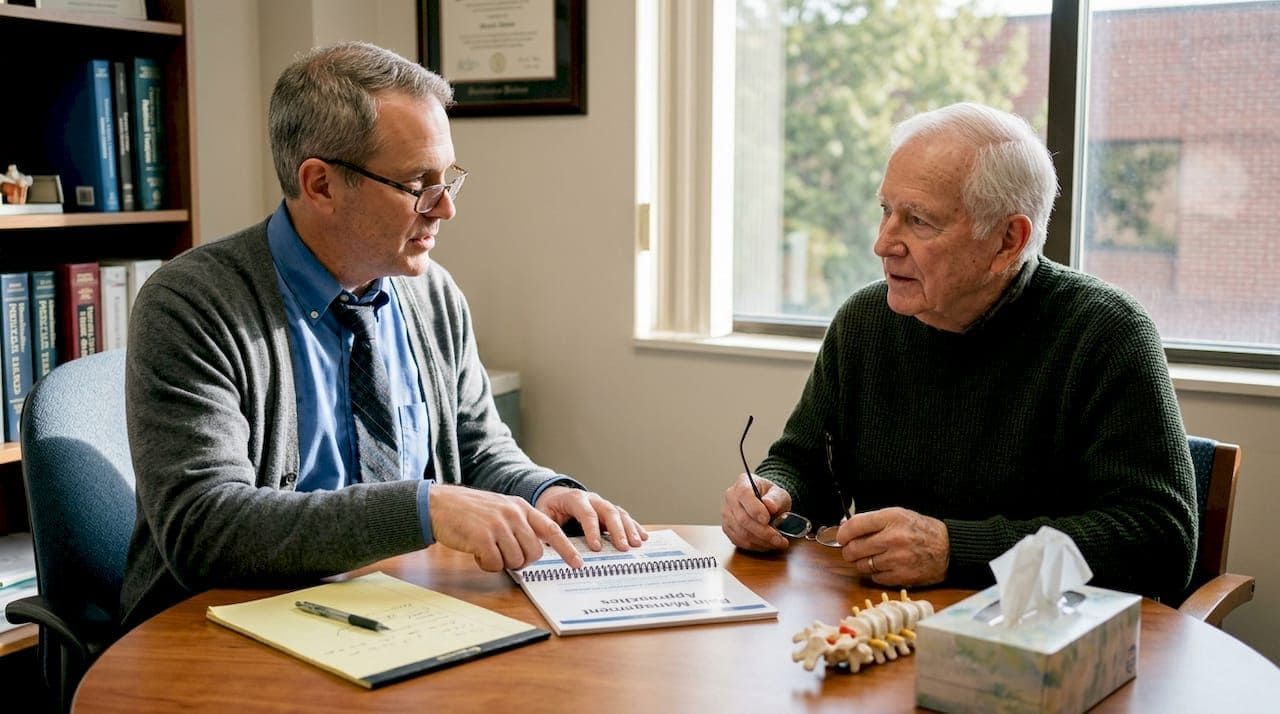
This model brings together physicians, chiropractors, physical therapists, and behavioral health specialists under one coordinated plan. The result is care that treats your whole condition, not just the loudest symptom. If you want to find a provider that meets state standards and offers this kind of coordinated approach, exploring clinic locations in your area is a practical first step.

Myth-busting moment: Many people believe that if medication isn't working, there's nothing left to try. Florida's evolving care model proves otherwise. Rehab, lifestyle changes, and therapy are not consolation prizes. They are often the most effective tools available.

chronic pain treatment options

Why whole-person approaches matter: The mental health connection

Pain is not purely physical. That statement still surprises people, but the science behind it is solid and growing.

Research confirms that chronic pain is overrepresented among people with unmet mental health needs, and those individuals show lower treatment uptake and worse long-term outcomes. Depression and anxiety don't just coexist with pain. They amplify it. Treating one without addressing the other is like patching one side of a leaking pipe.

Additionally, patients with substance use disorders report higher pain levels overall, but they also benefit significantly from multimodal and complementary approaches rather than opioid-heavy treatment plans.

Here's how a whole-person pain care plan typically comes together:

  1. Initial assessment that covers physical symptoms, mental health history, and lifestyle factors.
  2. Diagnosis that identifies the root cause rather than just the symptom location.
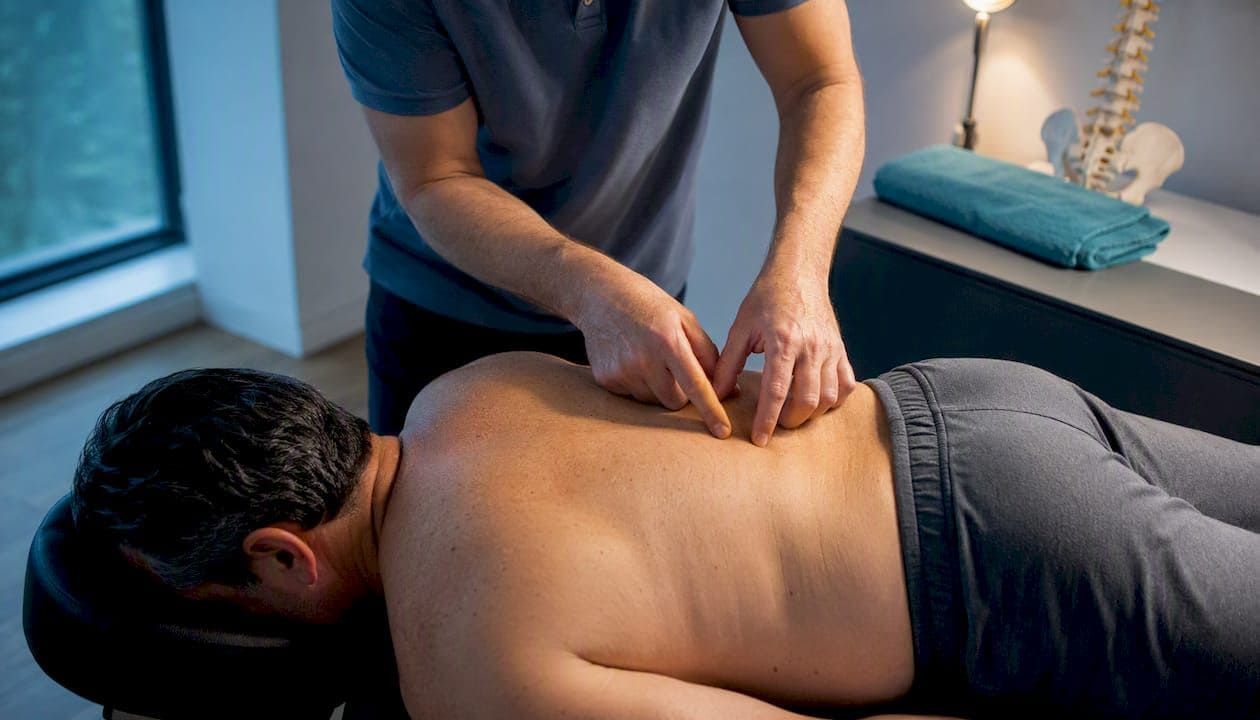
  3. Physical treatment such as manual therapy , chiropractic adjustments, or spinal decompression.
  4. Behavioral support including counseling, stress management, and sleep coaching.
  5. Complementary care such as nutritional guidance, movement therapy, or acupuncture.
  6. Ongoing monitoring with regular reassessment to adjust the plan as you improve.

This is not a luxury model. It's what modern pain science recommends, and it's what produces lasting results. Letting pain go untreated while waiting for a single fix to appear is one of the most common and costly mistakes people make.

Pro Tip: At your next provider visit, ask directly whether mental health screening is part of their pain management intake. If it isn't, that's useful information about the scope of care they offer.

Our perspective: What decades in pain relief have taught us

Here's the uncomfortable truth we've seen play out over and over: the people who struggle most with pain are often the ones who received the most confident but narrowly focused advice early on. Someone told them it was just a muscle strain, or that they'd need pills forever, or that surgery was the only real fix. That certainty closed doors before they were ever opened.

Real recovery rarely comes from one method. The patients who make the greatest gains are those who combine medical care, lasting pain relief through manual and chiropractic work, and behavioral support into a coordinated plan. Local myths persist because simple answers feel reassuring. But pain is a complex signal from a complex system, and it deserves a complex, thoughtful response. The best plan is always the one built around your specific body, history, and goals. Don't settle for anything less.

Discover expert support for your pain relief journey

Separating fact from fiction is the first step. Taking action is the next one.

At Essential ChiroCare, we provide evidence-based, whole-person care across West Central Florida, with clinic locations in Tampa, Brandon, Sarasota, Lakeland, and Pinellas Park. Our team offers chiropractic care, manual therapy services, and spinal decompression options tailored to your specific condition. We don't believe in guessing. We believe in building a plan that fits your life and your pain. If you're ready to stop cycling through treatments that don't work and start addressing the real cause, we're here to help. Schedule your appointment online today.

Frequently asked questions

  • Why won't my doctor prescribe certain pain medications in Florida?

    Florida law requires special licensing and training before a physician can legally prescribe controlled pain medications, so not every provider has that authorization. If your doctor can't prescribe them, it may be a licensing issue rather than a clinical one.

  • Is it true that strong pain equals serious illness?

    Not always. Pain intensity doesn't reliably match the severity of the underlying condition, particularly with chronic pain conditions where mental health factors can amplify perceived pain. A minor structural issue can feel severe, while significant damage sometimes presents with mild discomfort.

  • Are pills always the best option for pain management?

    No. Pills work faster for acute pain, but alternative treatments and team-based approaches are often safer and more effective for chronic conditions. Many patients see better long-term outcomes with chiropractic care, physical therapy, and behavioral support.

  • What is interdisciplinary pain management?

    It's a care model where multiple specialists coordinate together to reduce pain and improve function, combining physical, behavioral, and medical approaches. Interdisciplinary care has been shown to reduce opioid use and lower healthcare costs in Florida state health plans.

Recommended

post-accident therapy methods
By Essential ChiroCare Blogger May 24, 2026
Discover effective post-accident therapy methods that speed recovery and reduce pain. Regain your strength and confidence today!
self-care strategies for pain relief
By Essential ChiroCare Blogger May 23, 2026
Discover evidence-based self-care for pain strategies that improve your daily life, function, and sleep. Find real relief today!
leg pain chiropractor Pinellas Park
By Essential ChiroCare Blogger May 22, 2026
Lingering soreness or tingling? See if it’s time to visit a chiropractor in Pinellas Park and learn how heat and posture changes may be making it worse.
spinal alignment for pain relief
By Essential ChiroCare Blogger May 21, 2026
Discover why spinal alignment matters for pain relief and wellness. Learn how to improve your spine health and enhance your quality of life.
chiropractor in Lakeland
By Essential ChiroCare Blogger May 20, 2026
Learn how working with a chiropractor in Lakeland can help ease stiffness, restore movement, and make post-crash rehab feel more manageable.
chronic joint pain relief
By Essential ChiroCare Blogger May 19, 2026
Discover effective holistic strategies for relieving chronic joint pain. This guide explains chronic joint pain and offers real solutions.
spinal manipulation in Tampa
By Essential ChiroCare Blogger May 18, 2026
Find relief from outdoor aches with spinal manipulation in Tampa. Learn how gentle adjustments can help your body move better in the summer heat.
work injury chiropractor Tampa
By Essential ChiroCare Blogger May 17, 2026
Learn how minor strains can lead to daily discomfort and how a work injury chiropractor in Tampa can guide you toward better movement each afternoon.
chronic pain treatment options
By Essential ChiroCare Blogger May 16, 2026
Explore complete pain relief approaches, from holistic methods to medical solutions, to make informed choices for your well-being.
sciatica causes and symptoms
By Essential ChiroCare Blogger May 15, 2026
Discover what is sciatica pain, its causes, and effective holistic relief methods. Don’t let pain hold you back; find lasting solutions here!
Show More